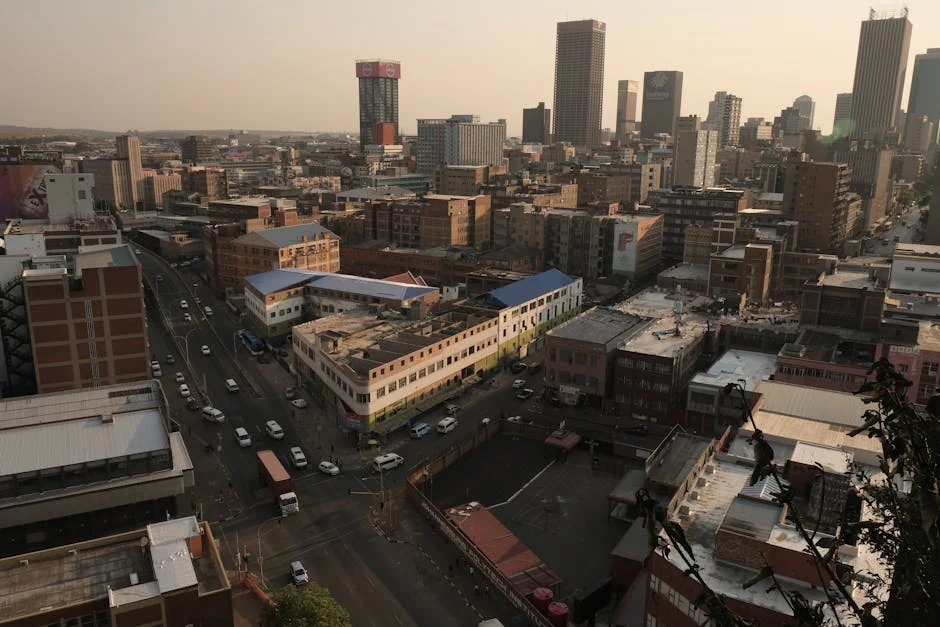
City Power has launched a rigorous crackdown on hijacked buildings in Johannesburg, executing aggressive cut-off operations to reclaim control over the city’s electricity supply. This initiative, announced earlier this week, targets illegal occupiers exploiting municipal resources, highlighting the ongoing struggle for governance and service delivery in South Africa's largest city.
City Power's Strategy to Combat Hijacking
In a decisive move, City Power has intensified efforts to disconnect electricity in buildings identified as hijacked. These operations are part of a broader initiative to restore law and order amid rampant crime and service abuse that has plagued Johannesburg for years. According to City Power executives, the operations are essential to protect legitimate users and ensure that the utility can continue to function effectively.

Joburg's Struggle with Illegality and Governance
Johannesburg has been battling the issue of hijacked buildings for over a decade, where illegal occupants often take over abandoned properties, leading to increased strain on municipal services. The current crackdown reflects a growing frustration among residents and officials alike regarding the inefficacy of previous policies in addressing these persistent challenges. A City Power spokesperson commented, "This is not just about cutting off electricity; it’s about reclaiming our city and ensuring that services are available to those who pay for them."
The Economic Impact on Johannesburg

By enforcing these cut-off operations, City Power is attempting to reassert its authority, which has significant implications for Johannesburg’s economic landscape. The utility has reported a staggering revenue loss attributed to illegal connections and hijacked buildings, which has hampered its ability to invest in infrastructure development. According to recent figures, City Power estimates that it loses nearly R1 billion annually due to these illegal activities. This loss translates into missed opportunities for investment in critical services such as health and education, which are vital for the city’s growth.
Linking Energy Governance to Development Goals
This crackdown is not merely a local issue; it resonates with broader African development goals. The African Union’s Agenda 2063 emphasises the importance of governance, infrastructure, and economic growth for sustainable development. City Power's aggressive measures can be seen as a step towards achieving these goals by ensuring that resources are managed effectively and equitably. Improved energy governance could facilitate better access to electricity for legitimate residents, which in turn fosters educational and health advancements in the community.
What’s Next for City Power and Johannesburg?
As City Power continues its operations, residents of Johannesburg will be watching closely. The outcome of these efforts could redefine the city’s approach to governance and service delivery, paving the way for a more sustainable model that prioritises legal use of resources. Stakeholders, including local businesses and community leaders, are urged to engage in dialogues with City Power to ensure that the measures taken do not disproportionately affect vulnerable communities. As this situation unfolds, the balance between enforcing laws and supporting community development will be crucial.