The City of Cape Town's Marine Unit has ramped up operations to combat illegal fishing along the West Coast, targeting activities that threaten marine biodiversity and local livelihoods. This initiative, which commenced in late September 2023, aims to safeguard the coastal ecosystem while supporting the local fishing community.
Increased Patrols and Surveillance
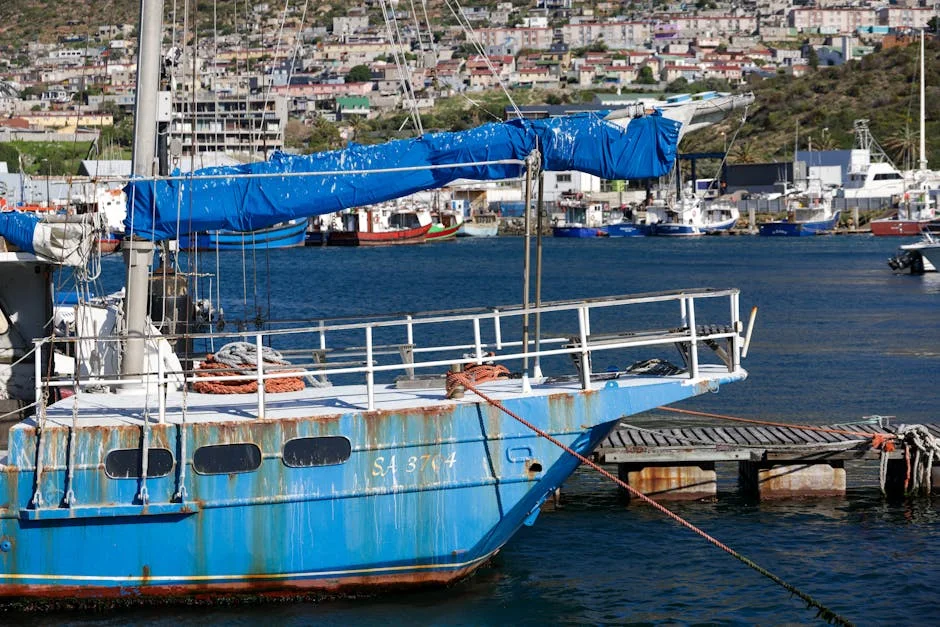
The Marine Unit has introduced enhanced patrols, deploying both land and sea resources to monitor illegal fishing activities. Officers equipped with advanced surveillance technology have been tasked with roaming critical fishing zones, particularly around the protected areas. During the first week of operations, authorities apprehended several vessels engaged in illegal practices, which not only contravene local regulations but also undermine sustainable fishing practices.
Importance of Sustainable Fisheries
Illegal fishing has plagued South Africa's coastal waters for years, leading to significant declines in fish stocks and threatening the livelihoods of legitimate fishers. The City’s proactive stance reflects an understanding of the importance of sustainable fisheries, which are vital to both local economies and food security. According to the South African Sustainable Fisheries Initiative, responsible fishing practices contribute approximately R26 billion to the economy annually and support thousands of jobs.
Addressing Continental Challenges

This crackdown aligns with broader African development goals, particularly those related to environmental sustainability and economic growth. The African Union has emphasised the importance of managing marine resources effectively, urging countries to collaborate in the fight against illegal fishing. By taking such measures, Cape Town sets a precedent for other coastal cities in Africa, showcasing how local governance can contribute to continental objectives.
Community Support and Economic Opportunities
Local fishers have expressed support for the Marine Unit's initiatives, recognising the long-term benefits of sustainable practices. Fisherman Sipho Mthembu stated, "We need to protect our waters for future generations. Illegal fishing hurts us all." The City has also initiated training programmes aimed at educating local fishers on sustainable practices, which may open up new economic opportunities in eco-tourism and responsible fishing.
Future Implications for South Africa
As the Marine Unit continues its operations, the potential ramifications extend beyond environmental protection. The initiative could lead to improved fish stocks, enhancing food security, and creating more stable employment opportunities in the fishing sector. Furthermore, successful enforcement of fishing laws may encourage international investments in South Africa's marine resources, further bolstering economic growth.
As Cape Town's Marine Unit embarks on this significant campaign against illegal fishing, the focus remains not only on immediate enforcement but also on fostering a culture of sustainability that aligns with the nation's development goals. Stakeholders will be watching closely to see how these initiatives evolve and impact both the local and national economy.