In a concerted effort to enhance intra-African trade, several African nations have announced significant infrastructure upgrades. These developments, occurring throughout 2023, aim to address long-standing challenges in transportation and logistics that have hampered economic growth across the continent.
New Roads and Railways: Connecting Markets
Governments from Nigeria to Kenya are investing billions in new road networks and railway systems designed to facilitate smoother movement of goods. For instance, the East African Community (EAC) has launched a project to expand the Northern Corridor, a vital trade route connecting Kenya with Uganda and Rwanda, which is expected to significantly reduce transit times.
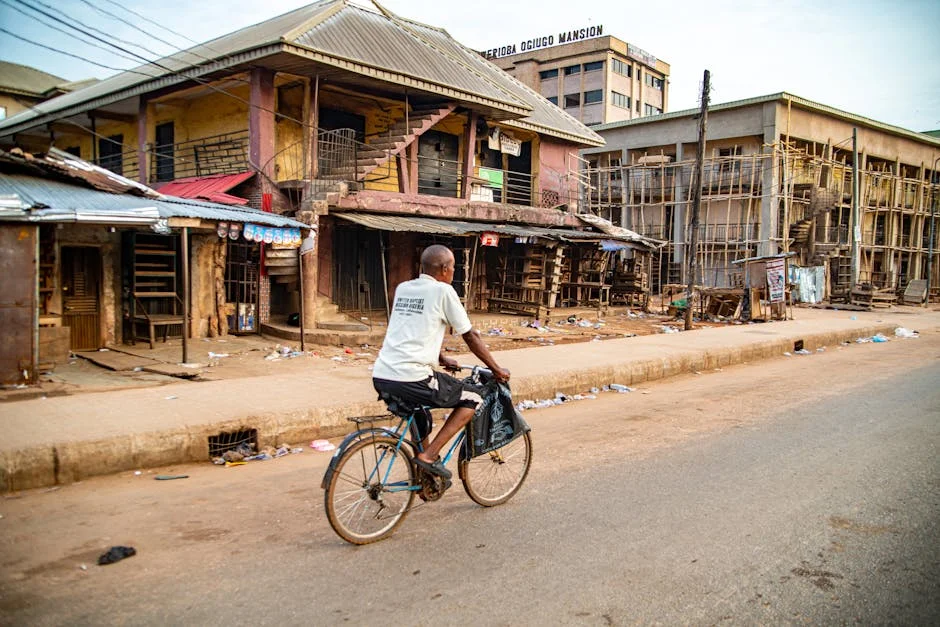
These infrastructure upgrades are particularly crucial as the African Continental Free Trade Area (AfCFTA) aims to boost trade among member states. Current estimates suggest that intra-African trade could increase by over 50% by 2030 with improved logistics and reduced tariffs, contributing to the realisation of the African Union's Agenda 2063 development goals.
Addressing Health and Education Needs Through Infrastructure
The push for improved infrastructure is not solely about commerce; it also intersects with critical sectors such as health and education. Improved transportation networks can better connect rural populations to health facilities, a vital necessity as many African countries grapple with healthcare access issues. Better roads facilitate quicker delivery of medical supplies and emergency services, which can save lives.
Furthermore, enhanced infrastructure supports educational initiatives by allowing easier access to schools and vocational training centres. When students are not impeded by poor transport systems, educational attainment rises, paving the way for a more skilled workforce capable of driving the continent's economic growth.
Governance Challenges and Opportunities


While infrastructure upgrades present substantial opportunities, they also expose governance challenges. Corruption and misallocation of funds can derail projects and undermine their intended benefits. For example, the World Bank has raised concerns about the management of public contracts in several African countries, urging greater transparency and accountability.
This situation necessitates not only investment in infrastructure but also in governance structures that ensure efficiency and integrity. By addressing these challenges, African nations can better attract foreign investment, which is essential for sustaining the momentum of development.
Economic Growth: The Ripple Effect
The economic ramifications of improved infrastructure are profound. Enhanced trade routes can lower costs for businesses, stimulate local economies, and create jobs. For instance, the recent upgrades to the Port of Durban in South Africa have boosted its capacity, allowing for increased shipments from other African nations, which, in turn, supports the local economy.
As African economies grow through these developments, the implications for South Africa are significant. With enhanced connectivity, South Africa stands to benefit from increased trade flows, making it a central hub in the continent's economic landscape. This integration fosters a more resilient regional economy, creating new opportunities for collaboration and investment.
What Comes Next for African Development?
As African nations continue to prioritise infrastructure development, stakeholders must remain vigilant about the associated governance challenges. Future initiatives should also focus on sustainability and environmental considerations, ensuring that infrastructure projects do not compromise the continent's natural resources.
In conclusion, the ongoing infrastructure upgrades across Africa not only hold the promise of enhanced trade but also align with broader development goals aimed at improving health, education, and governance. As these projects unfold, they will shape the economic landscape of the continent and redefine how African nations interact with one another and the global market.
Frequently Asked Questions
What is the latest news about african leaders accelerate infrastructure upgrades to boost trade heres why it matters?
In a concerted effort to enhance intra-African trade, several African nations have announced significant infrastructure upgrades.
Why does this matter for economy-business?
For instance, the East African Community (EAC) has launched a project to expand the Northern Corridor, a vital trade route connecting Kenya with Uganda and Rwanda, which is expected to significantly reduce transit times.These infrastructure upgrades
What are the key facts about african leaders accelerate infrastructure upgrades to boost trade heres why it matters?
Improved transportation networks can better connect rural populations to health facilities, a vital necessity as many African countries grapple with healthcare access issues.