In a significant decision, the South African Government has rejected calls for the formal recognition of indigenous peoples, sparking a national debate about identity, rights, and development. This decision, made public on October 15, 2023, poses critical questions about how the government affects South Africa’s socio-economic landscape.
Indigenous Rights: A Longstanding Issue
The struggle for recognition of indigenous rights in South Africa dates back to the end of apartheid. Despite the 1996 Constitution recognising the cultural rights of all citizens, indigenous groups like the Khoisan continue to face marginalisation. For many, this rejection underscores a broader historical neglect that affects their access to resources and development opportunities.
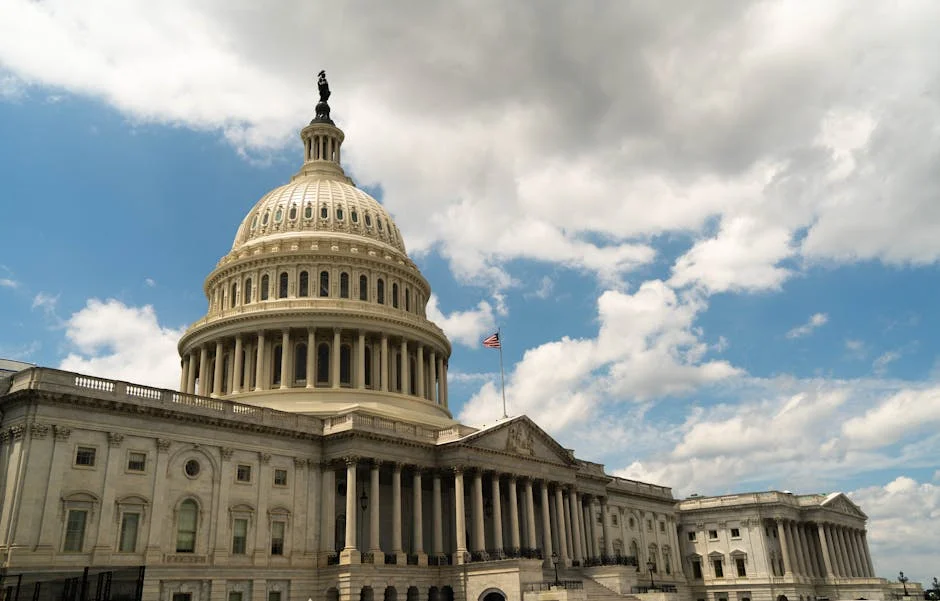
Government’s Position and Rationale
The South African Government argues that existing laws sufficiently protect the rights of all citizens, dismissing the need for a separate framework for indigenous peoples. A spokesperson emphasised that “the government is committed to fostering an inclusive society” and believes current provisions are adequate for promoting socio-economic growth across all demographics.
The Impact on Development Goals

This decision raises critical concerns regarding the United Nations Sustainable Development Goals (SDGs), particularly those focused on reduced inequalities, quality education, and sustainable economic growth. Indigenous communities often face higher levels of poverty and lack access to quality health and education services, which are essential for national development. Without recognition, these groups may remain excluded from economic initiatives aimed at uplifting marginalised populations in South Africa.
Continental Perspectives: Challenges and Opportunities
South Africa's stance on indigenous recognition reflects broader continental challenges, where issues of identity, governance, and representation persist. As countries across Africa strive to achieve continental goals, such as the African Union's Agenda 2063, the inclusion of indigenous peoples is crucial. Their unique knowledge systems and cultural practices can contribute significantly to sustainable development and biodiversity conservation.
What’s Next for Indigenous Advocacy?
Following the government’s rejection, indigenous rights advocates are ramping up their efforts. Activists plan to mobilise communities and raise awareness about the importance of recognition in securing land rights, cultural heritage, and economic opportunities. As debates continue, attention will focus on whether the government will reconsider its position or face mounting pressure from civil society.
Frequently Asked Questions
What is the latest news about south africas government rejects calls for recognition of indigenous peoples what it means for development?
In a significant decision, the South African Government has rejected calls for the formal recognition of indigenous peoples, sparking a national debate about identity, rights, and development.
Why does this matter for politics-governance?
Despite the 1996 Constitution recognising the cultural rights of all citizens, indigenous groups like the Khoisan continue to face marginalisation.
What are the key facts about south africas government rejects calls for recognition of indigenous peoples what it means for development?
A spokesperson emphasised that “the government is committed to fostering an inclusive society” and believes current provisions are adequate for promoting socio-economic growth across all demographics.The Impact on Development GoalsThis decision raise