The South African government has confirmed the closure of a company engaged in illegal waste management activities, raising critical questions about environmental governance and public health. This decisive action, taken earlier this week, reflects the country's commitment to sustainable development and adherence to environmental laws.
Government Takes Action Against Illegal Operations
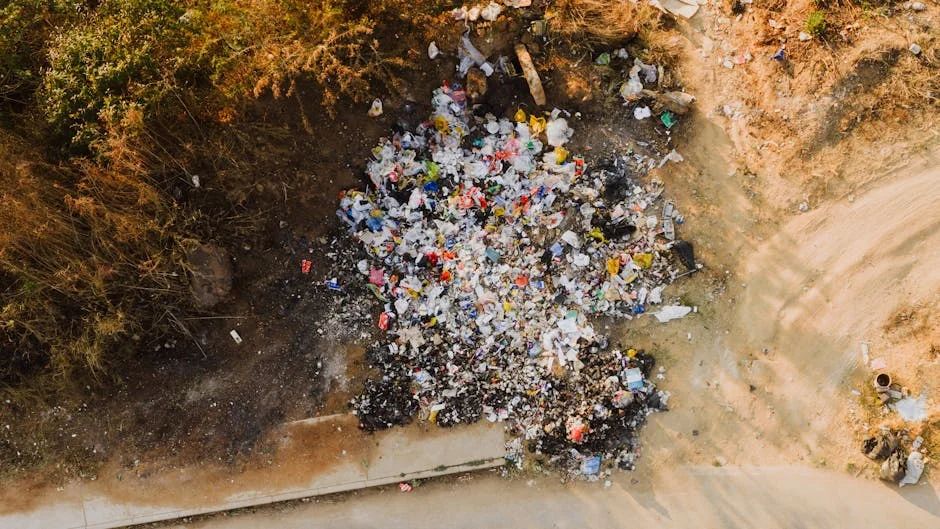
In a concerted effort to combat illegal waste management, South Africa's Department of Environmental Affairs ordered the immediate shutdown of a waste management company operating without the necessary permits. The operation, based in Johannesburg, was found to be dumping hazardous materials improperly, posing risks to both public health and the environment. Authorities have stated that the company failed to comply with regulations designed to protect communities from toxic waste.
Implications for Public Health and Environmental Safety
This crackdown on illegal waste management is particularly significant given South Africa's ongoing struggles with waste disposal and environmental degradation. The improper handling of waste can lead to severe health issues for local populations, including respiratory problems and long-term illnesses from exposure to hazardous substances. Environmental activists have long warned that failure to enforce regulations could exacerbate existing public health crises, especially in underprivileged areas.
Alignment with African Development Goals

The closure of the illegal waste management firm aligns with the United Nations' Sustainable Development Goals (SDGs), specifically Goal 11, which aims to make cities inclusive, safe, resilient, and sustainable. By taking decisive action against illegal waste practices, South Africa is not only protecting its citizens but also reinforcing its commitment to sustainable urban development. This development is crucial as cities across the continent grapple with rapid urbanisation and increasing waste generation.
Continental Challenges and Opportunities
Across Africa, waste management remains a significant challenge, exacerbated by rapid population growth and inadequate infrastructure. However, this also presents opportunities for innovation and investment in sustainable practices. South Africa's enforcement of waste management laws may serve as a model for other nations facing similar issues, highlighting the importance of governance in achieving developmental goals.
Looking Ahead: What to Watch For
As the government continues to crack down on illegal operations, stakeholders in the waste management sector should prepare for increased scrutiny and regulation. Future policies may focus on expanding legal waste management services and increasing public awareness about the importance of proper waste disposal. This could lead to enhanced economic opportunities in the green sector, contributing to job creation and sustainable growth in line with the country’s broader development agenda.