On Wednesday, a gathering of prominent clerics in Nigeria raised concerns about a potential split in the Anglican Church, reflecting deepening divisions within Christianity on the continent. The meeting, held in Abuja, highlighted tensions over issues such as governance, morality, and the role of the church in society.
Contentious Issues Fueling Division Among Clerics
The assembly of clerics included leaders from various dioceses across Nigeria, one of Africa's most populous countries. They discussed the growing rift within the Anglican communion, particularly regarding the church's stance on LGBTQ+ rights and its relationship with Western branches. The debate has escalated as some factions advocate for a more traditional interpretation of scripture, allegedly alienating progressive members.
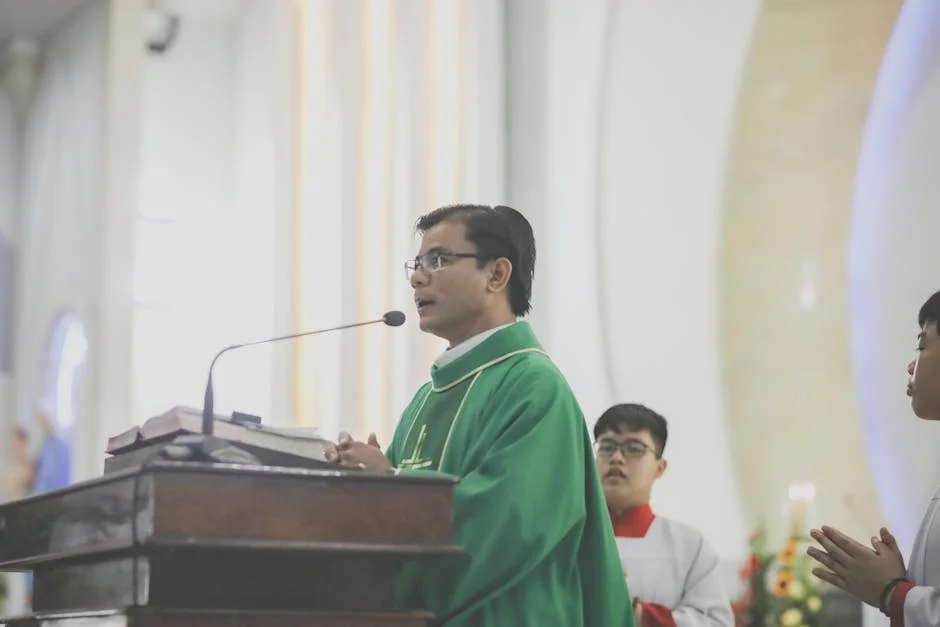
The Role of the Anglican Church in African Society
The Anglican Church has historically played a significant role in African society, contributing to education and health care. However, as societal norms evolve, many church leaders find themselves grappling with how to remain relevant while adhering to their core beliefs. This dilemma is not unique to Nigeria; similar challenges are being witnessed across the continent, where traditional values often clash with modernity.
Impact on African Development Goals


As debates around religious doctrine intensify, the implications for broader African development goals are profound. The Anglican Church, like other religious institutions, has a substantial influence on public opinion and can mobilise communities towards health initiatives, educational reforms, and governance improvements. A split could weaken these efforts, particularly in areas where the church is a vital source of support and guidance.
Challenges Ahead for the Anglican Church
The Nigerian clerics' discussions are set against a backdrop of increasing challenges facing the Anglican Church. Issues such as corruption, lack of infrastructure, and economic instability in Nigeria further complicate the church's mission. Clerics expressed concerns that a division could hinder the church's ability to address pressing issues such as poverty and health crises, which are pivotal to achieving the Sustainable Development Goals (SDGs) set by the United Nations.
What’s Next for the Anglican Communion in Africa?
As the discussions continue, all eyes are on the Anglican Church and its potential course of action. Observers suggest that how the church navigates these internal conflicts could set a precedent for other religious institutions in Africa. The outcome could either foster a more inclusive approach to governance and social issues or deepen divisions that undermine the church’s authority and outreach.