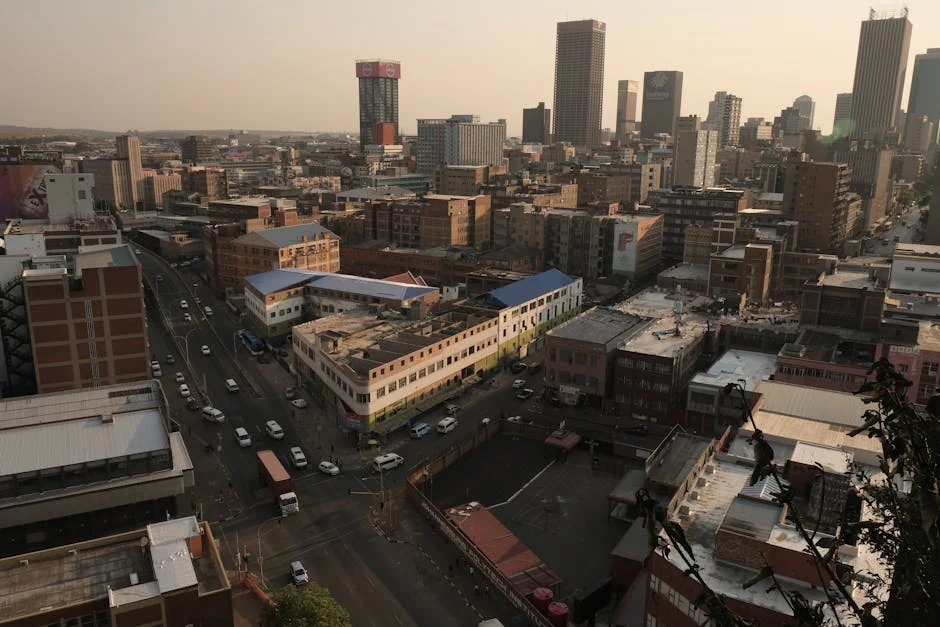
In a troubling development for Johannesburg, City Power has cut electricity to seven hijacked buildings, citing a staggering R14.6 million debt. This decision underscores the city's ongoing battle with illegal occupation and its significant implications for local governance and community welfare.
Why City Power Cuts Electricity Now Matters
The recent power cuts have highlighted not only the financial strain on City Power but also the broader issue of hijacked properties in urban areas. With the city struggling to reclaim these buildings, the loss of electricity exacerbates conditions for vulnerable tenants residing in these hijacked properties. The situation raises urgent questions about governance and the role of local authorities in managing urban spaces.

Context: The Rise of Hijacked Buildings in Johannesburg
Over the past few years, Johannesburg has seen a noticeable increase in properties being hijacked, leading to a surge in informal settlements. These hijacked buildings often lack basic services, including electricity, water, and sanitation. The city estimates that hundreds of such buildings exist, posing significant challenges for urban planners and local governance.
Consequences for Residents and the City


The decision to cut electricity impacts not only the finances of City Power but also the lives of those living in these hijacked buildings. Many residents depend on electricity for basic needs, including cooking and heating. With City Power facing a R14.6 million debt, the cuts reflect a challenging trade-off between financial sustainability and social responsibility, presenting a dilemma for city officials trying to balance the books while ensuring basic services.
What This Means for South Africa's Development Goals
This incident is emblematic of broader challenges facing South Africa, where urban governance issues intersect with development goals. As the country strives to provide housing, health care, and education for its citizens, the hijacking of properties represents a significant barrier to progress. The lack of secure housing and essential services undermines economic growth and exacerbates social inequalities.
Future Implications and What to Watch For
As the situation unfolds, stakeholders will need to consider not only the immediate implications of these power cuts but also the long-term effects on urban development policies in Johannesburg. The city may need to adopt innovative solutions to reclaim hijacked buildings and ensure equitable service delivery. Citizens and local organisations are likely to play an increasingly vital role in advocating for their rights, pushing for better governance, and seeking accountability from local authorities as they navigate this challenging landscape.