Iran's leadership has issued a stark warning to the United States, stating that a ground invasion in the region would lead to catastrophic consequences. This declaration comes amid rising tensions and ongoing conflicts involving the US and Iran, with potential implications for global stability and security.
Heightened Tensions: The Stakes of a Ground Invasion
The Iranian military has stressed that any US ground invasion would not only destabilise the region but also provoke a significant military and political response from Tehran. Iranian officials have pointed out that the past invasions in Iraq and Afghanistan serve as grim reminders of the unintended consequences of military intervention. The warnings highlight a critical moment in international relations, as regional powers closely watch the developments.
What Iran's Warning Means for Global Stability
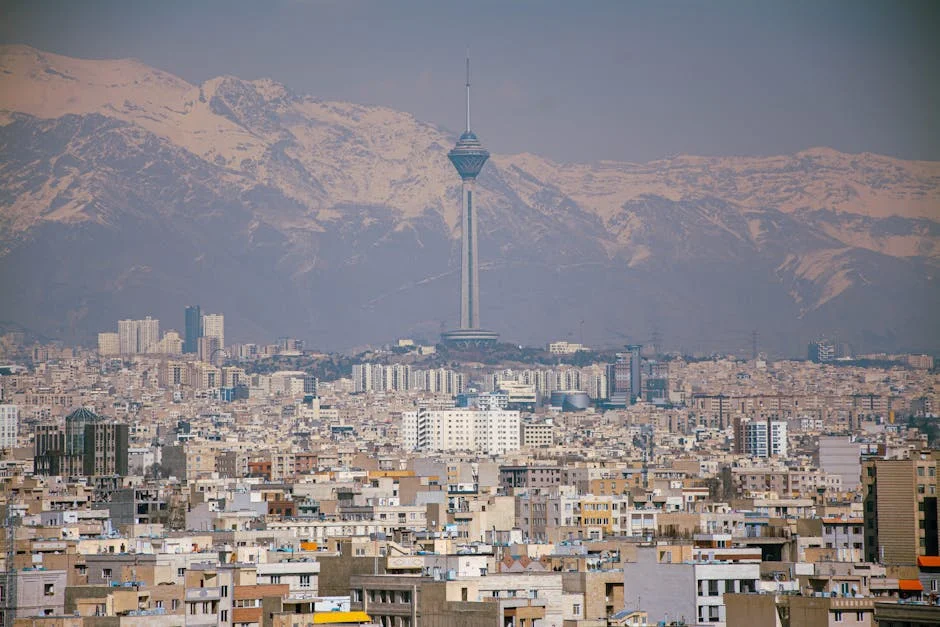
Iran's threat underscores the complexities surrounding US foreign policy in the Middle East. The potential for conflict could disrupt oil supplies, create humanitarian crises, and exacerbate existing conflicts, which are already affecting many countries in Africa. The interconnectedness of global economies means that instability in one region can reverberate across continents, including Africa.
Implications for African Development Goals

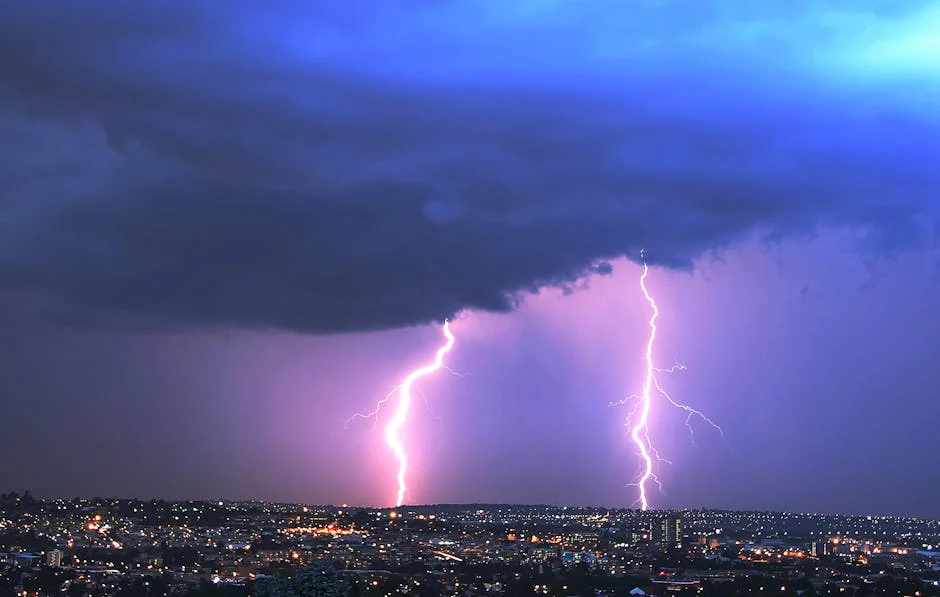
The potential for conflict in the Middle East, particularly involving Iran, poses challenges to African development goals focused on peace, stability, and economic growth. Many African nations rely on oil imports from the Gulf region, and any disruption could lead to skyrocketing fuel prices, affecting transport, trade, and overall economic stability.
Infrastructure Development at Risk
In Africa, countries are striving to improve infrastructure to boost economic growth and development. A military conflict associated with Iran could derail these efforts, as rising costs of imports place additional strain on national budgets. For instance, nations like Kenya and South Africa, which are heavily reliant on fuel imports, may face significant hurdles in achieving their infrastructure projects.
Potential Opportunities Amidst Chaos
While the warning from Iran carries significant risks, it also presents an opportunity for African nations to rethink their energy strategies and increase investments in renewable energy. By reducing reliance on imported oil, African countries could enhance their energy security and reduce vulnerability to global market fluctuations. This pivot aligns with the African Union's Agenda 2063, which emphasizes sustainable development and self-sufficiency.
What to Watch For Next
The international community should closely monitor the evolving situation between the US and Iran. As tensions escalate, African nations must prepare for potential economic fallout while also seeking opportunities to advance their development goals. Engaging in regional cooperation and diversifying energy sources will be crucial for resilience against external shocks. The path forward requires careful navigation to ensure that the challenges do not overshadow the potential for growth and development across the continent.