In a surprising turn, India's pivot back to Gulf oil amidst ongoing regional tensions has implications for African development goals. Following the tightening of sanctions by former President Donald Trump against Russia, India initially shifted its oil procurement strategies. However, as the Gulf crisis unfolds, new dynamics are emerging that could reshape energy partnerships and economic opportunities in Africa.
India's Energy Strategy Shifts Amid Regional Turmoil
In recent months, India has significantly increased its oil imports from Gulf nations like Saudi Arabia and the UAE. This shift comes in response to Trump's sanctions, which had previously compelled India to seek crude supplies from Russia. However, the growing tensions in the Gulf, including the evolving relationship between Iran and Israel, are causing India to reconsider its energy strategies once more.
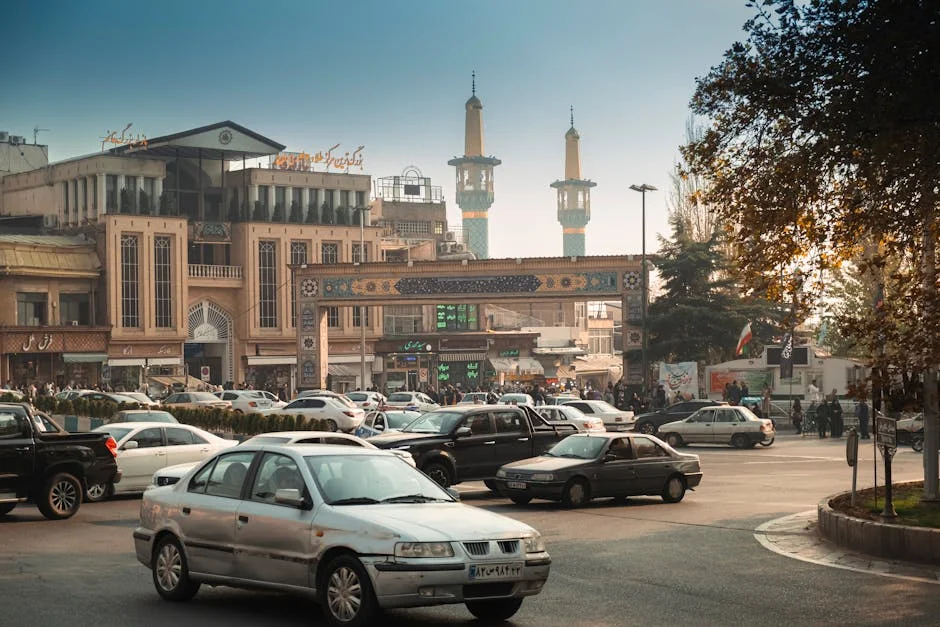
The Iranian Factor: A Double-Edged Sword for Africa
Iran's geopolitical maneuvers have far-reaching implications, especially for South Africa, which has been exploring deeper ties with Tehran. As Iran's influence in energy markets fluctuates, African nations are presented with both challenges and opportunities. The potential for increased Iranian oil supplies could lower energy costs in South Africa, a nation grappling with persistent power shortages. However, this also raises concerns about becoming entangled in the complex political landscape shaped by Iran's adversarial relationship with Israel.
Why Israel Matters for African Development Goals

Israel's recent developments, particularly its diplomatic approach towards Gulf states, are critical for understanding the broader regional impact on Africa. As Israel strengthens its ties with Gulf nations, it plays a crucial role in shaping energy security dynamics. This development could enhance trade opportunities for African nations that align with these new partnerships, potentially leading to increased investment in infrastructure and economic growth.
Consequences for African Economies and Governance
The implications of India's renewed focus on Gulf oil cannot be understated. For African countries, especially those reliant on energy imports, the shifting landscape requires astute governance and strategic economic planning. As energy prices fluctuate, African governments must navigate these challenges to ensure sustainable development. Initiatives aimed at enhancing local infrastructure, education, and healthcare will be paramount in adapting to these changes while fostering economic resilience.
What to Watch For: Future Developments and Opportunities
As the situation evolves, South African policymakers must monitor the developments in Iran and Israel closely. The potential for increased Iranian influence in Africa could present new avenues for trade, but also necessitates vigilance regarding geopolitical alignments. The coming months will be crucial in determining how these energy dynamics will shape African development goals, and whether nations can leverage these changes for growth amidst challenges.
Frequently Asked Questions
What is the latest news about trumps sanctions drive india to gulf oil impacting irans influence in africa?
In a surprising turn, India's pivot back to Gulf oil amidst ongoing regional tensions has implications for African development goals.
Why does this matter for politics-governance?
However, as the Gulf crisis unfolds, new dynamics are emerging that could reshape energy partnerships and economic opportunities in Africa.India's Energy Strategy Shifts Amid Regional TurmoilIn recent months, India has significantly increased its oil
What are the key facts about trumps sanctions drive india to gulf oil impacting irans influence in africa?
However, the growing tensions in the Gulf, including the evolving relationship between Iran and Israel, are causing India to reconsider its energy strategies once more.The Iranian Factor: A Double-Edged Sword for AfricaIran's geopolitical maneuvers h