The ongoing crisis in South Sudan has reached alarming levels, with escalating violence and humanitarian needs impacting millions. Since gaining independence in 2011, South Sudan has struggled with governance issues, ethnic conflict, and economic instability, raising questions about its future prospects.
Escalating Violence and Humanitarian Crises
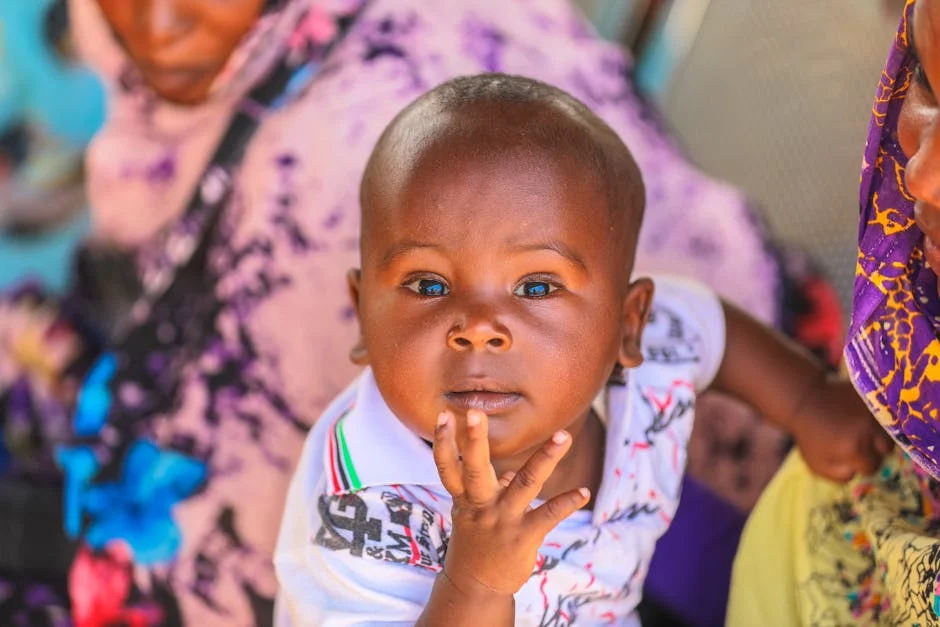
In recent months, South Sudan has witnessed a surge in violence, particularly in the northern regions, where clashes between armed groups have resulted in numerous casualties. The United Nations reports that over 9 million people are in urgent need of assistance, with food insecurity worsening due to ongoing conflicts and climate-related shocks.
Failed Governance Structures and Political Instability
The root causes of the crisis can be traced back to the ineffective governance structures in place. The peace agreement signed in 2018 has struggled to hold, with key provisions unimplemented, leading to mistrust among various factions. The political deadlock has hampered progress towards establishing a stable government, making it difficult to address pressing issues such as health, education, and infrastructure development.
Impact on African Development Goals


South Sudan's ongoing turmoil presents significant challenges to the African Union's Agenda 2063, which aims to promote inclusive development across the continent. With South Sudan being one of the poorest nations globally, the lack of stable governance hinders efforts to achieve targets related to health and education, ultimately affecting economic growth and social development.
Opportunities Amidst the Crisis
Despite the dire situation, there are opportunities for international collaboration and support. Regional powers, particularly South Africa, can play a crucial role in facilitating dialogue and peacebuilding initiatives. Investment in infrastructure and social services, coupled with improved governance, could pave the way for a more stable and prosperous South Sudan.
Looking Ahead: Consequences for the Region
As the crisis continues, South Sudan's stability will remain critical not only for its citizens but also for the entire region. The spillover effects of instability could impact neighbouring countries, contributing to broader insecurity in East Africa. Observers should watch closely for developments in the peace process and the international community's response to this humanitarian crisis.
Frequently Asked Questions
What is the latest news about south sudans political crisis exposes governance failures heres what you need to know?
The ongoing crisis in South Sudan has reached alarming levels, with escalating violence and humanitarian needs impacting millions.
Why does this matter for politics-governance?
The United Nations reports that over 9 million people are in urgent need of assistance, with food insecurity worsening due to ongoing conflicts and climate-related shocks.Failed Governance Structures and Political InstabilityThe root causes of the cr
What are the key facts about south sudans political crisis exposes governance failures heres what you need to know?
The political deadlock has hampered progress towards establishing a stable government, making it difficult to address pressing issues such as health, education, and infrastructure development.Impact on African Development GoalsSouth Sudan's ongoing t