Somalia's government has announced a significant reform: the introduction of directly elected lawmakers, a move expected to reshape its political landscape. This development comes as the country continues to navigate challenges related to governance and stability amid ongoing efforts for national reconstruction.
New Constitution Paves the Way for Direct Elections
In a groundbreaking decision, Somalia's Parliament voted to adopt a new constitution that mandates direct elections for lawmakers. This momentous change is slated for implementation in the next electoral cycle, providing citizens with an unprecedented opportunity to directly influence their political representation. The decision reflects a commitment to enhancing democratic governance in a nation long beset by instability and clan-based politics.
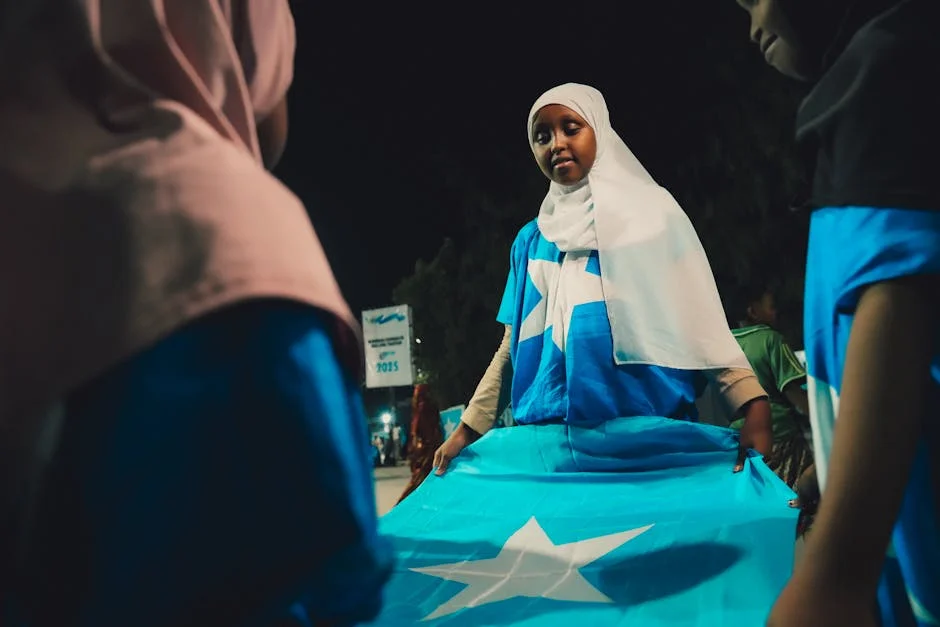
The Importance of Democratic Governance in Somalia
This constitutional amendment is pivotal for Somalia's aspirations to meet African development goals, particularly those focused on good governance and political participation. As the country strives to rebuild after decades of conflict, establishing a framework for direct electoral participation could foster greater accountability and transparency within the government.
Challenges Ahead: Security and Infrastructure Issues
Despite the positive outlook, Somalia faces several hurdles that could impede the successful implementation of this new electoral process. Security remains a pressing concern, with the militant group Al-Shabaab continuing to pose a threat to stability in various regions. Moreover, the country grapples with insufficient infrastructure, which hampers effective voter outreach and education initiatives necessary for a successful election.
Education and Health: Foundations for Prosperity
As Somalia embarks on this transformative journey, the importance of education and health cannot be overstated. Ensuring that citizens are informed about their rights and the electoral process will be crucial in empowering them to make educated choices. Additionally, investing in health infrastructure is vital to ensure that voters can participate in elections without the burden of ill health, which is a significant barrier in many parts of the country.
Economic Opportunities Through Political Stability
The introduction of directly elected lawmakers carries the potential to stimulate economic growth by fostering a more stable political environment. Investors are often wary of engaging in regions with governance challenges; thus, enhancing political legitimacy can attract foreign investment and promote local entrepreneurship. Somalia's abundant natural resources, if managed well, could lead to significant economic development and job creation, benefiting the broader population.
Looking Forward: What to Watch For
As Somalia moves forward with this constitutional reform, several key factors will determine its success. The upcoming elections will be a litmus test for the new governance framework and its ability to withstand external pressures. Additionally, the engagement of civil society and international partners will be critical in ensuring that the electoral process is fair and transparent, further cementing Somalia's path towards democratic governance and sustainable development.
Frequently Asked Questions
What is the latest news about somalia confirms direct elections for lawmakers what it means for governance?
Somalia's government has announced a significant reform: the introduction of directly elected lawmakers, a move expected to reshape its political landscape.
Why does this matter for politics-governance?
This momentous change is slated for implementation in the next electoral cycle, providing citizens with an unprecedented opportunity to directly influence their political representation.
What are the key facts about somalia confirms direct elections for lawmakers what it means for governance?
As the country strives to rebuild after decades of conflict, establishing a framework for direct electoral participation could foster greater accountability and transparency within the government.Challenges Ahead: Security and Infrastructure IssuesDe