President Cyril Ramaphosa has announced that South Africa is actively identifying citizens trapped in the Middle East amid escalating conflicts. This announcement comes as South Africans express growing concern over the safety of their compatriots in the region.
Ongoing Conflicts Prompt Government Action
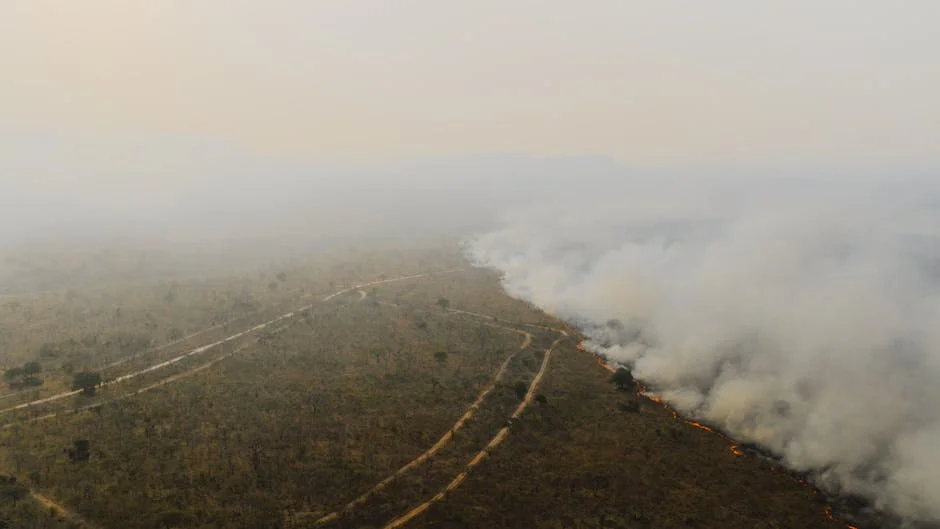
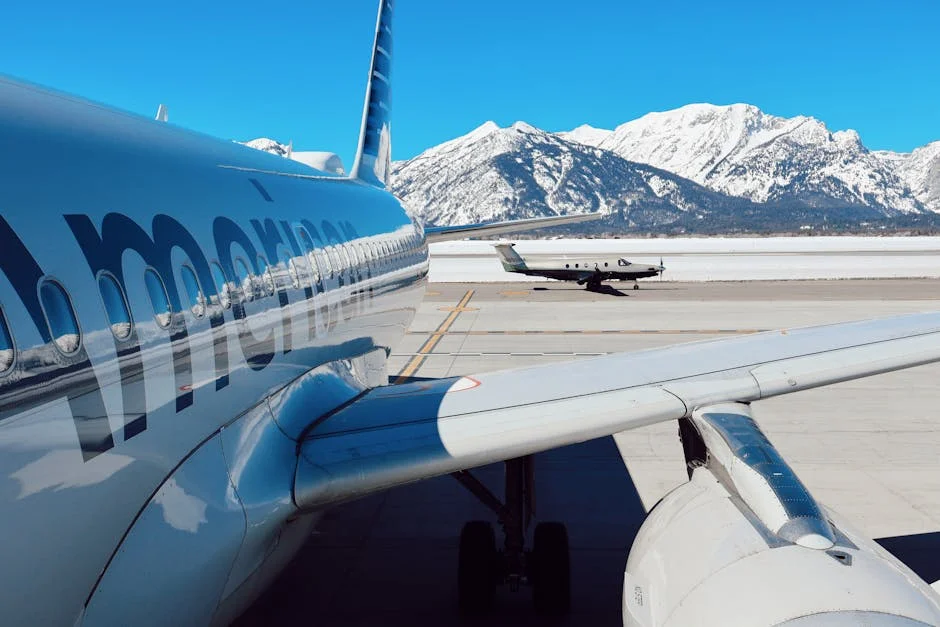
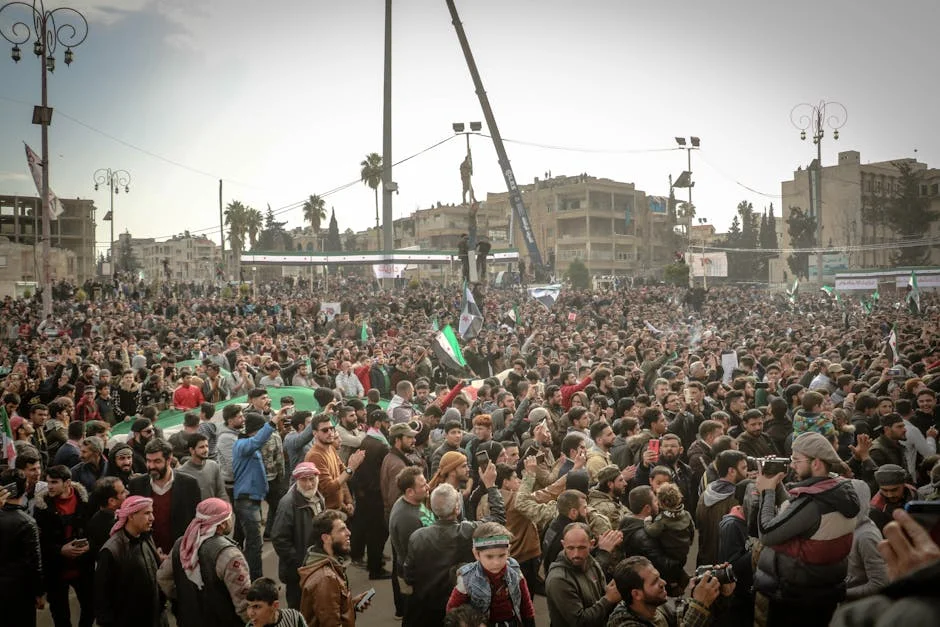
The South African government’s response follows a surge in violence in various Middle Eastern countries, which has left many South Africans stranded. Ramaphosa stated in a press briefing that the Department of International Relations and Cooperation (DIRCO) is working diligently to assess the situation and facilitate the safe return of citizens.
“We are in constant communication with our embassies in the region,” Ramaphosa explained. “Our primary goal is to ensure the safety and well-being of South Africans abroad.” This urgent initiative highlights the government's commitment to protecting its citizens during international crises.
Humanitarian Concerns and Development Goals
This situation underscores broader challenges that African nations face in terms of governance, security, and economic stability. The conflicts in the Middle East often have ripple effects on African countries, impacting development goals and humanitarian efforts.
In light of the African Union's Agenda 2063, which calls for peace, security, and development across the continent, South Africa's proactive measures reflect a growing recognition of the need for coordinated responses to global crises. As the nation grapples with domestic challenges, including economic recovery and health crises, the safety of its citizens abroad remains a top priority.
The Role of South Africans Abroad

With a sizeable diaspora in the Middle East, South Africans play a crucial role in various sectors, including construction, hospitality, and healthcare. Their economic contributions are significant, and their safety directly impacts South Africa's economic interests and bilateral relations with Middle Eastern nations.
Analysts have noted that the government's efforts to secure the safe return of citizens could strengthen ties with these countries. Ramaphosa's administration must navigate these complex relationships while ensuring that South Africans are not left vulnerable in unstable regions.
Future Implications for Governance and Security
The ongoing situation raises critical questions about governance and security in both South Africa and the Middle East. As Ramaphosa emphasised the importance of addressing these humanitarian concerns, observers are keen to see how this initiative will influence South Africa’s foreign policy.
Moreover, the government’s commitment to protecting its citizens abroad could foster public trust and improve governance at home. This response is crucial as South Africa strives to balance its domestic priorities with international obligations, particularly in a time of global uncertainty.
Conclusion: What to Watch For Next
As the South African government continues its efforts to identify and assist citizens trapped in the Middle East, citizens are urged to stay informed through official channels. The developments surrounding this situation will be closely monitored, reflecting broader trends in African governance and international relations.
South Africans are advised to remain vigilant and prepared for updates from the government, particularly as the situation evolves in the Middle East.
Frequently Asked Questions
What is the latest news about ramaphosa reveals efforts to rescue south africans trapped in middle east key developments?
President Cyril Ramaphosa has announced that South Africa is actively identifying citizens trapped in the Middle East amid escalating conflicts.
Why does this matter for politics-governance?
Ramaphosa stated in a press briefing that the Department of International Relations and Cooperation (DIRCO) is working diligently to assess the situation and facilitate the safe return of citizens.“We are in constant communication with our embassies
What are the key facts about ramaphosa reveals efforts to rescue south africans trapped in middle east key developments?
The conflicts in the Middle East often have ripple effects on African countries, impacting development goals and humanitarian efforts.In light of the African Union's Agenda 2063, which calls for peace, security, and development across the continent,