Mzansi paid tribute to the legendary Miriam Makeba on her 94th birthday, reflecting on her iconic speech at the United Nations in 1963. This commemoration not only honours her legacy but also highlights the ongoing relevance of her messages about apartheid and human rights.
Remembering an Icon: The Legacy of Miriam Makeba
Miriam Makeba, affectionately known as 'Mama Africa,' was born on March 4, 1932, in Johannesburg. Her career spanned decades, and she became a prominent voice against apartheid, utilising her musical talent to advocate for freedom and equality. Her performance at the United Nations in 1963, where she spoke out against the injustices of apartheid, remains a pivotal moment in both South African and global history. This year, celebrations included various events across Mzansi, including music performances and discussions about her impact.
The Significance of Makeba's UN Speech
Makeba's speech at the United Nations was a groundbreaking moment. She was the first African woman to speak at the UN, where she highlighted the struggles faced by her people under apartheid. Her powerful words shed light on the grave human rights abuses occurring in South Africa and galvanised international support against the apartheid regime. This historical moment exemplifies why the United Nations matters in the fight for justice and equality, providing a platform for voices that might otherwise be silenced.
Continued Relevance: Health, Education, and Governance in Africa

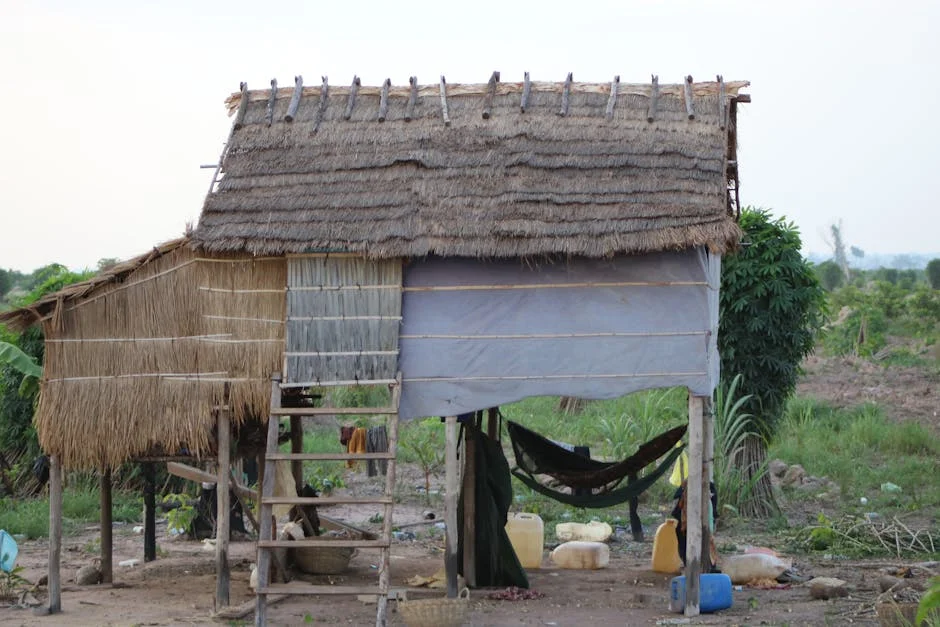
Today, as Mzansi commemorates Makeba, her legacy is interwoven with the contemporary goals of African development. South Africa, like much of the continent, faces significant challenges in health care, education, and governance. The United Nations' Sustainable Development Goals (SDGs) emphasise the importance of these areas, aiming for inclusive and equitable quality education, universal health coverage, and responsive governance. Makeba's fight for equality and justice resonates deeply as South Africa continues to strive for these goals, illustrating the ongoing struggle for human rights.
Miriam Makeba's Influence on Modern Activism
Makeba’s contributions are felt in current movements advocating for social justice and human rights across Africa. Her legacy inspires a new generation of activists who continue to fight against systemic injustices, including inequality in education and health care access. The tributes paid to her this week serve as a reminder of the power of activism, especially within the context of the United Nations and its impact on South Africa.
Looking Ahead: The Future of African Development
As South Africa reflects on Makeba's contributions, it also faces the pressing need to address current challenges. The role of the United Nations remains crucial in providing support and framework for nations striving towards development goals. The impact of Makeba's legacy reminds us that the fight for equality and justice is ongoing, urging current and future leaders to uphold her spirit in their governance and policy-making. As Mzansi commemorates her life, the focus on her ideals can lead to new opportunities for sustainable development across the continent.