In a significant escalation of regional tensions, Iranian Supreme Leader Ali Khamenei has issued a stark warning about the implications of the ongoing conflict in Baghdad. As violent clashes continue in Iraq’s capital, Khamenei's statements highlight the potential for broader instability that could reverberate throughout the Middle East and beyond.
Khamenei’s Warning: A Call for Regional Solidarity
Khamenei's recent address in Tehran underscored the need for countries in the region to unite against what he perceives as external attempts to sow discord. He stated that the unrest in Baghdad, particularly in the fortified Green Zone, poses a direct threat to Iran's security and, by extension, to its allies. The Iranian leader's remarks come amidst reports of increased military activity and protests in Iraq, which have drawn international attention.
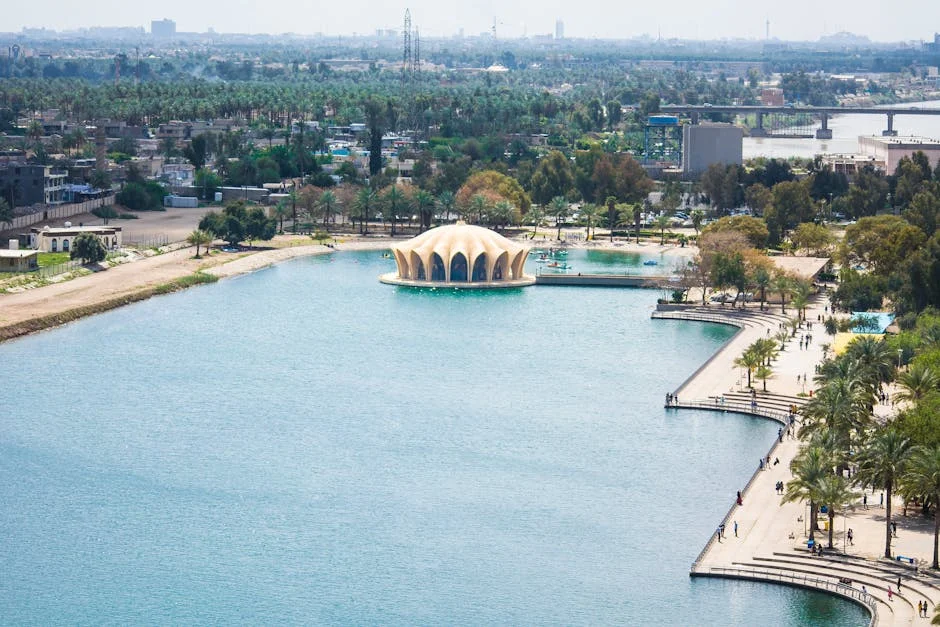
Baghdad's Unrest: A Catalyst for Broader Conflict?
The situation in Baghdad has increasingly become a focal point for various geopolitical interests, attracting not just regional players but also global powers. The ongoing strife has implications for the balance of power in the Middle East, which may influence African nations that rely on stability in these regions for their economic and strategic interests. As these developments unfold, African states may need to reassess their diplomatic and economic strategies regarding Iran and Iraq.
Implications for African Development Goals


As global power dynamics shift, the impact on African development goals becomes increasingly relevant. African nations often depend on international stability to foster trade, investment, and economic growth. The instability in Baghdad could complicate relationships with Iran, a country that has been involved in various development initiatives across the continent. The potential for increased tensions may hinder prospects for collaboration on infrastructure projects and health initiatives, which are critical for achieving sustainable development.
The Economic Ripples: What to Watch For
Developments in Baghdad could have direct economic ramifications for South Africa, particularly in sectors such as energy and trade. As a significant player in the African economy, South Africa's relationships with nations in the Middle East, including Iran, are pivotal. The government will need to monitor the situation closely, as shifts in oil prices or disruptions in trade routes may impact local markets and investment opportunities.
Conclusion: A Call for Strategic Awareness
As Khamenei's warning looms large, African governments must remain vigilant about the evolving situation in Baghdad. The interplay of regional conflicts and their consequences on development goals present both challenges and opportunities. Policymakers in South Africa and beyond will need to engage in strategic planning to mitigate risks while exploring avenues for growth in an increasingly interconnected world.