Dubai's reputation as a safe-haven is increasingly under scrutiny amid regional tensions and economic shifts. Recent developments within the Middle East are challenging the emirate's previously stable economic conditions, raising questions about its impact on African development goals.
Middle East Tensions Emerge as Economic Challenges Grow
Dubai has long been viewed as a beacon of stability in the Middle East, attracting investors and expatriates alike. However, escalating geopolitical tensions, particularly regarding Iran and ongoing conflicts in neighbouring regions, have begun to put this status to the test. In recent weeks, several analysts have noted a potential slowdown in investments entering Dubai, fuelling concerns about its economy's long-term sustainability.

How Dubai Developments Impact Africa’s Growth Potential
The implications of Dubai's shifting economic landscape extend beyond its borders, particularly to African nations. As African countries pursue ambitious development goals, they have increasingly relied on Dubai as a conduit for investment and trade. The emirate serves not just as a financial hub but also as a gateway for African businesses looking to access global markets. If Dubai's economy falters, this could hinder the flow of capital to African projects focused on infrastructure, health, and education.
Economic Indicators: What the Numbers Show
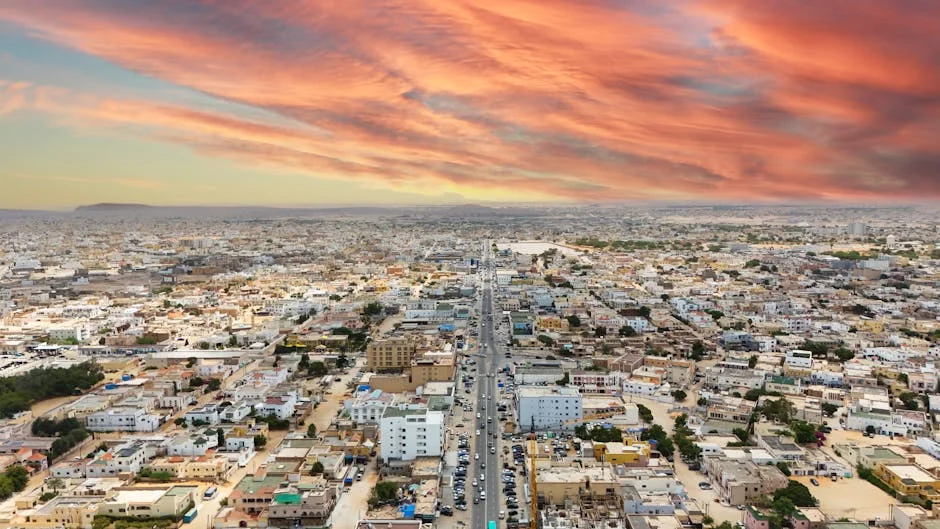
According to the latest economic update, Dubai's GDP growth rate has dropped to 2.5% from 4% in previous years, reflecting the tightening grip of regional instability. Additionally, tourism—the backbone of Dubai's economy—has shown signs of declining tourist numbers from key markets, raising alarm bells among investors. The reduction in foreign direct investment could lead to further repercussions for African economies that have come to depend on Dubai for financial support and trade opportunities.
The Role of Governance in Shaping Future Prospects
Governance also plays a pivotal role in how Dubai navigates these challenges. The emirate has implemented several reforms aimed at enhancing regulatory frameworks and improving business conditions. However, as regional tensions rise, questions about governance and stability may surface, potentially deterring investors. African nations must observe these developments closely, as governance failures in Dubai could ripple outwards, impacting investment inflows into their own markets.
What Lies Ahead for Africa and Dubai's Economic Landscape
The future of Dubai's safe-haven status is uncertain, but its potential effects on Africa are clear. As the continent strives for economic growth, the dependency on external markets and investment flows necessitates a careful examination of Dubai's developments. African countries may need to diversify their investment sources to mitigate risks associated with a faltering Dubai economy.
Whether Dubai can maintain its allure amid growing scrutiny remains to be seen. However, the lessons learned during this period could provide valuable insights into how African nations approach their own development challenges in a rapidly changing global landscape.
Frequently Asked Questions
What is the latest news about dubais safehaven status faces scrutiny amid regional tensions what it means for africa?
Dubai's reputation as a safe-haven is increasingly under scrutiny amid regional tensions and economic shifts.
Why does this matter for economy-business?
However, escalating geopolitical tensions, particularly regarding Iran and ongoing conflicts in neighbouring regions, have begun to put this status to the test.
What are the key facts about dubais safehaven status faces scrutiny amid regional tensions what it means for africa?
As African countries pursue ambitious development goals, they have increasingly relied on Dubai as a conduit for investment and trade.