Dr Sihle Mthethwa, a geneticist at Stellenbosch University, has unveiled groundbreaking research aimed at saving the Cape snoek, a fish species facing extinction. This innovative work comes at a crucial time as environmental challenges threaten marine biodiversity in South Africa.
Urgent Need for Conservation Efforts
The Cape snoek, a staple in South Africa’s culinary scene, is experiencing a significant decline due to overfishing and climate change. Dr Mthethwa’s research, focusing on the genetic makeup of this species, aims to identify resilient traits that could be encouraged through breeding programmes, ultimately helping to restore its population. This initiative is not just about saving a fish; it represents a broader commitment to marine conservation and sustainable practices.
Stellenbosch University's Role in Biodiversity Preservation
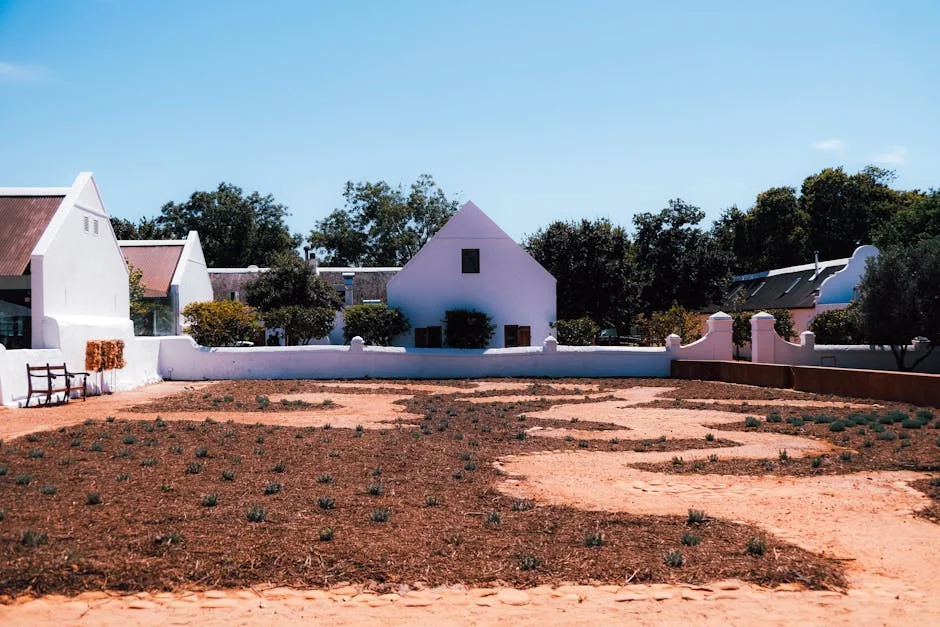
Stellenbosch University has long been at the forefront of research that addresses pressing environmental issues. Dr Mthethwa’s studies exemplify the institution's dedication to fostering sustainable development and ecological balance. The university’s involvement in this genetic research highlights its importance in the academic community and its role in tackling continental challenges, particularly regarding food security and biodiversity preservation.
Impact on Local Economies and Communities

The looming extinction of the Cape snoek poses not only an ecological threat but also an economic one. This fish is a vital source of income for many coastal communities in South Africa. By developing strategies to conserve the species, Dr Mthethwa’s work has the potential to secure jobs and sustain livelihoods. As marine life continues to be impacted by climate change, preserving species like the Cape snoek could prove essential for the future of these communities.
Linking Conservation to African Development Goals
Dr Mthethwa's research aligns with several African development goals, particularly those focused on life below water and sustainable economic growth. By ensuring the survival of the Cape snoek, this initiative contributes to ecological balance and promotes sustainable fishing practices. Such efforts are crucial for the continent, where many countries rely on marine resources for food and income.
What’s Next for Cape Snoek Research?
Looking ahead, Dr Mthethwa plans to collaborate with local fishermen and conservationists to implement his findings in real-world scenarios. The next phase of research will involve practical breeding programmes that incorporate the genetic traits identified in his studies. As this project progresses, it will be critical to monitor its impact on the Cape snoek population and local economies. The success of this initiative could serve as a model for similar conservation efforts across Africa.