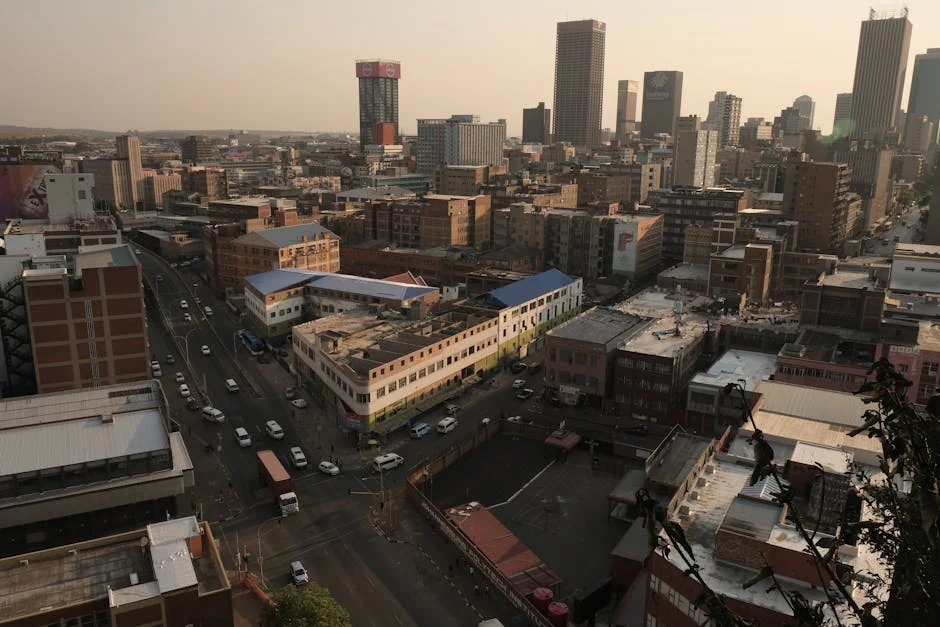
As April approaches, fuel prices in South Africa are set to spike dramatically, largely driven by escalating tensions in the Middle East. This surge threatens to exacerbate the already precarious economic landscape for many South Africans, prompting urgent discussions on the country's future energy policies and development goals.
Middle East Developments Fuel South African Concerns
Recent developments in the Middle East, particularly ongoing geopolitical conflicts, have led to soaring oil prices globally. Analysts predict that South Africa will experience a significant rise in fuel prices this April, potentially by as much as 30 cents per litre. This increase can be traced back to production cuts imposed by major oil-exporting nations, which have left many economies vulnerable to fluctuating fuel costs.

Impact on South African Economy and Development Goals
The rise in fuel prices is indicative of larger continental challenges that South Africa faces, particularly concerning economic growth and stability. Higher fuel costs not only affect transportation and logistics but also have a ripple effect on food prices and overall living costs. As the government aims to meet its African development goals, such inflationary pressures could hinder progress in poverty alleviation and economic diversification initiatives.
Infrastructure and Governance Challenges Intensified


Infrastructure development has long been a critical focus for South African policymakers, but the anticipated fuel price increase could stymie investment in essential projects. Without stable fuel costs, public transport systems and supply chains could face disruptions, further complicating governance efforts aimed at improving service delivery. The government must address these challenges to maintain public trust and ensure compliance with its development agenda.
Health and Education at Risk Amid Economic Strain
As fuel prices climb, the implications for public health and education become increasingly concerning. Rising transportation costs may limit access to healthcare services, particularly in rural areas, where medical facilities are scarce. Furthermore, schools may struggle to maintain operations due to increased costs associated with transporting students and supplies. In a continent where health and education are pivotal to development, a fuel price surge could reverse hard-earned progress.
What Comes Next: Monitoring Developments
Looking forward, South African citizens and policymakers alike must remain vigilant about the developments in the Middle East and their repercussions on local fuel prices. As April unfolds, the government may need to implement measures to mitigate the impact on the economy, such as subsidies or alternative energy initiatives. The focus will also need to shift toward sustainable energy solutions to prevent similar crises in the future, aligning with broader African development goals.