Mojtaba Khamenei has been confirmed as the next Supreme Leader of Iran, a pivotal moment that could reshape regional dynamics. This decision, announced on 2nd October 2023, follows the passing of his father, Ayatollah Ali Khamenei. The implications of this transition extend beyond Iran, touching on issues of governance, economic stability, and international relations that resonate throughout Africa.
The Rise of Mojtaba Khamenei
Mojtaba Khamenei, previously a prominent political figure in Iran and known for his hardline stances, has risen to prominence within the country’s ruling structure. His appointment was confirmed during a session of Iran’s Assembly of Experts, where he garnered significant support from influential members of the ruling elite. Analysts suggest that his leadership style may mirror that of his father's, potentially leading to continued repression of dissent and a focus on stringent ideological governance.

Implications for African Development Goals
The transitional leadership in Iran poses significant implications for African countries, particularly as they navigate their own development challenges. The alignment of Iran's governance with hardline ideologies may affect its diplomatic relations with African nations, impacting trade, investment, and economic partnerships that are crucial for achieving the United Nations Sustainable Development Goals (SDGs).
Continental Challenges and Opportunities

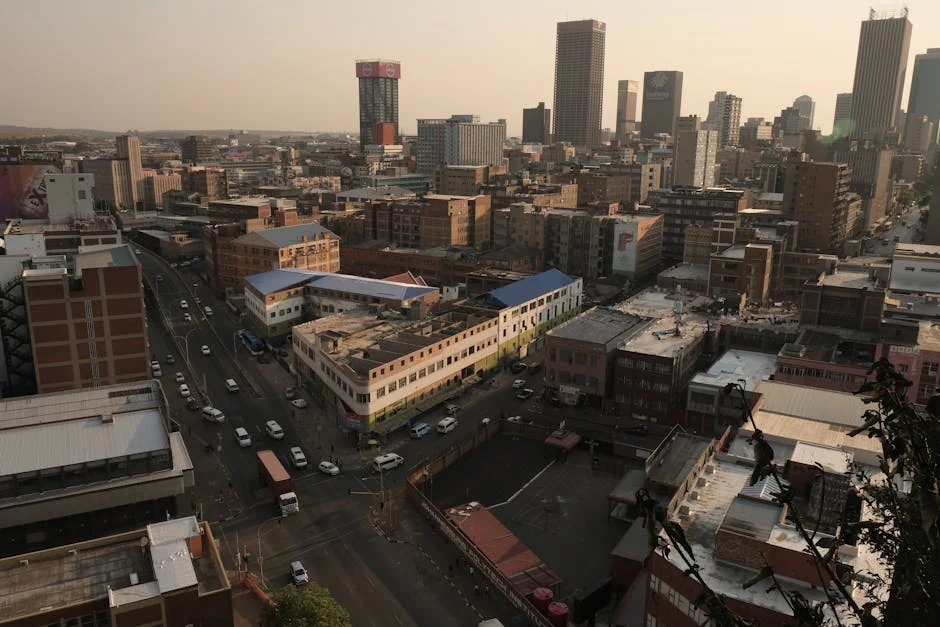
As African nations strive for stronger governance and economic growth, the political climate in Iran serves as a cautionary tale. Countries like South Africa, which have historical ties to Iran, must reassess their relationships in light of the new leadership. The potential for increased instability in the Middle East could lead to heightened security concerns, prompting African nations to strengthen their own governance frameworks to mitigate risks.
Economic Implications for South Africa
South Africa's economic landscape could be impacted by the new Iranian leadership, especially in sectors reliant on oil and trade. Iran has been a key player in the oil market, and shifts in its political landscape could affect global oil prices, influencing South Africa’s economic stability. Furthermore, any sanctions imposed on Iran by Western nations may have a ripple effect, complicating trade dynamics and economic growth opportunities between Iran and African countries.
Governance and Health in Africa
The governance model adopted by Khamenei may resonate with certain African leaders who favour authoritarian control over democratic processes. This could undermine efforts to promote health, education, and infrastructural development across the continent. As countries face challenges like the ongoing health crises exacerbated by the pandemic, the governance strategies of leaders like Khamenei may hinder progress towards sustainable development.
Looking Ahead: What to Watch For
As the situation unfolds, observers should monitor how Khamenei’s leadership will dictate Iran's foreign policy, especially towards African nations. Additionally, the potential for increased ideological alignment among African governments may pose risks to democratic movements on the continent. The next few months will be crucial for both Iran and African nations as they navigate this new geopolitical landscape and its implications for development goals.