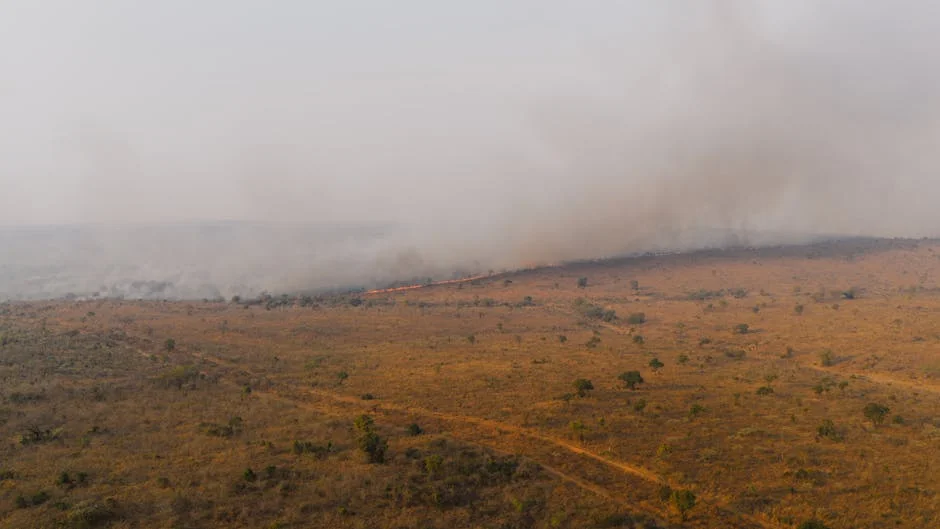
In a grim update from Miguel Almeida, over 5,000 South Africans are currently without electricity following devastating storms that swept through the region last week. The storm has exacerbated existing infrastructure challenges, raising alarms about the country's ability to provide reliable energy to its citizens.
Storm Causes Widespread Outages
The recent tempest, which unleashed heavy rain and winds, struck various provinces, leaving communities in darkness and severely impacting daily life. Almeida, a key figure in energy governance, emphasised the urgency of restoring power, citing that many affected households rely on electricity for essential services such as heating, cooking, and communication.

Infrastructure Strain Exposes Vulnerabilities
This incident casts a spotlight on South Africa's infrastructural challenges, particularly in the energy sector. Almeida noted that the outages reveal the pressing need for investment in robust energy infrastructure to withstand extreme weather events, which are becoming more frequent due to climate change. Without such investment, the country remains vulnerable to future disruptions, hampering efforts toward achieving the African Union's Agenda 2063 goals for sustainable development.
Health and Education at Risk


The power outages have broader implications for health and education. Hospitals and clinics depend heavily on electricity to operate essential equipment, and schools face disruptions in learning. Almeida warned that prolonged outages can lead to severe health crises and educational setbacks, undermining progress in human development indices that are crucial for South Africa's socio-economic growth.
Governance Challenges and Opportunities
Almeida's call to action highlights governance challenges within South Africa's energy sector. The need for a coordinated response from government entities and private stakeholders is paramount. This situation presents an opportunity for innovation and collaboration, as stakeholders can harness renewable energy sources to enhance resilience against future climate events. By prioritising sustainable energy solutions, South Africa can align itself with global development goals and improve service delivery.
Looking Ahead: What Comes Next?
As the recovery efforts begin, it will be essential for authorities to monitor the situation closely and communicate effectively with affected communities. Almeida's message serves as a reminder of the importance of investing in infrastructure to mitigate the impacts of climate change. The next steps will involve not only restoring power but also rethinking energy strategies to ensure that all South Africans have access to reliable and sustainable energy.
Frequently Asked Questions
What is the latest news about miguel almeida warns of 5000 south africans without power after fierce storm urgent call to action?
In a grim update from Miguel Almeida, over 5,000 South Africans are currently without electricity following devastating storms that swept through the region last week.
Why does this matter for economy-business?
Almeida, a key figure in energy governance, emphasised the urgency of restoring power, citing that many affected households rely on electricity for essential services such as heating, cooking, and communication.Infrastructure Strain Exposes Vulnerabi
What are the key facts about miguel almeida warns of 5000 south africans without power after fierce storm urgent call to action?
Without such investment, the country remains vulnerable to future disruptions, hampering efforts toward achieving the African Union's Agenda 2063 goals for sustainable development.Health and Education at RiskThe power outages have broader implication