The death toll in Iran has tragically surged past 780, as the country grapples with the aftermath of recent catastrophic events. This escalation raises significant concerns about governance, health, and infrastructure, not just in Iran but across the globe.
How the Crisis Unfolded
The alarming increase in fatalities follows a series of natural disasters and civil unrest that have plagued Iran in recent weeks. Reports indicate that the government has struggled to respond effectively, leading to widespread dissatisfaction among the populace. The Iranian Red Crescent Society reported that over 1,500 individuals have been injured, further straining the country's already beleaguered healthcare system.

Global Implications for Development Goals
This surge in the death toll is not just a national tragedy; it poses serious implications for international development goals, particularly those outlined in the United Nations Sustainable Development Goals (SDGs). Iran's difficulties in managing this crisis spotlight the critical need for improved governance, disaster preparedness, and infrastructure resilience, aspects that resonate deeply across Africa as well.
Connecting the Dots: Governance and Health

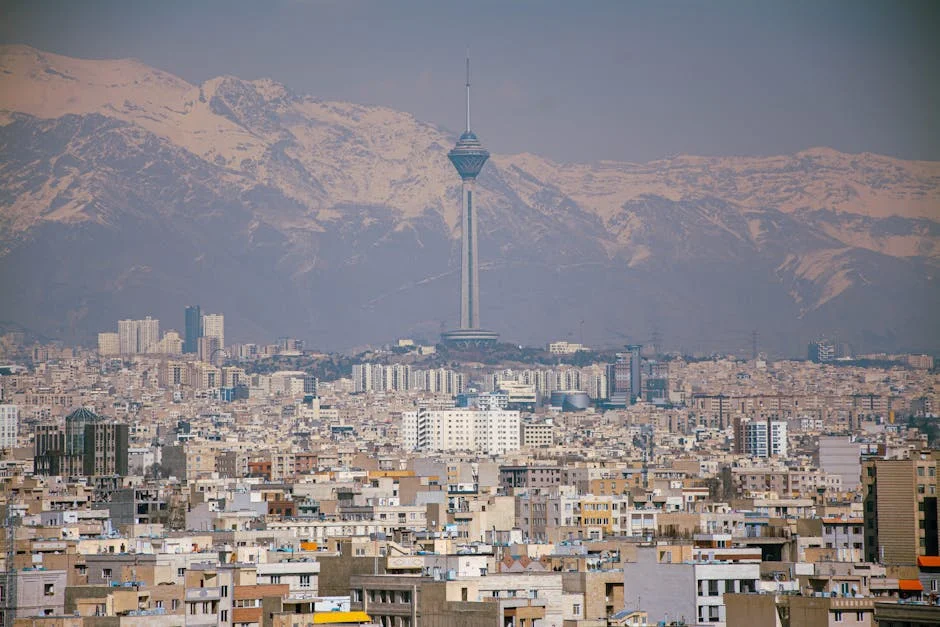
Governance challenges in Iran, including lack of transparency and inefficient emergency response mechanisms, mirror issues faced by many African nations. Poor governance often leads to inadequate disaster response, which can exacerbate health crises. Countries in Africa, where similar situations can lead to widespread unrest, must take heed of Iran's struggles to ensure that their governance frameworks are robust enough to handle crises.
Infrastructure Resilience and Economic Growth
Moreover, the crisis has illuminated the importance of infrastructure in times of disaster. The Iranian government's failure to adequately prepare its infrastructure for such emergencies has resulted in increased vulnerability. For African nations, investing in resilient infrastructure could prevent similar tragic outcomes in the face of natural disasters or health emergencies. Economic growth is directly linked to infrastructure development, and this event serves as a stark reminder of the potential costs of neglect.
Opportunities for Collaboration and Learning
As the global community watches Iran's situation unfold, there arises an opportunity for African nations to collaborate and learn from these events. Strengthening health systems, improving governance, and investing in infrastructure are essential steps that can be taken to avert similar disasters. By sharing knowledge and resources, African countries can work together to build a more resilient continent.
What Lies Ahead?
The ongoing crisis in Iran serves as a crucial reminder of the interconnectedness of global health, governance, and development challenges. As African nations continue to strive towards their own development goals, they must remain vigilant and proactive in addressing their vulnerabilities. The world will be watching closely to see how Iran navigates this crisis, and what lessons can be gleaned for the future of development across Africa.