The recent surge in gas prices is set to have cascading effects on South Africa's electricity and heating sectors, raising concerns for millions of consumers and businesses alike. Amid a global energy crisis exacerbated by geopolitical tensions, the price escalation has prompted urgent discussions about the country's reliance on gas and the implications for national development goals.
Rising Gas Prices Trigger Widespread Concern
In recent weeks, gas prices have seen an unprecedented rise, largely due to supply chain disruptions and increased demand. Industry analysts report that this escalation could lead to a spike in electricity costs, with some estimates suggesting an increase of up to 30% in the coming months. The escalation is not just a financial burden; it threatens to destabilise an already strained energy sector that has been grappling with ongoing load shedding and infrastructure challenges.

Implications for South Africa's Energy Security
This surge in gas prices poses a significant challenge to South Africa's energy security. With the country relying heavily on gas to supplement its electricity supply, any drastic changes in gas prices will directly affect the cost of electricity for consumers. The government has been pushing for a diversified energy mix, but the current dependency on gas raises questions about the effectiveness of its energy policies.
Impact on Development Goals and Governance


The rise in energy costs is a stark reminder of the challenges the continent faces in achieving its development goals. South Africa, like many African nations, is struggling to balance economic growth with sustainable energy solutions. High energy costs disproportionately affect low-income households and small businesses, exacerbating poverty and hindering economic development.
Challenges in Education and Health Sectors
As electricity prices rise, so too does the risk to critical sectors such as education and health. Schools and hospitals that rely on consistent power supply may face operational difficulties, potentially undermining the quality of education and healthcare services. This further complicates the government's efforts to improve living standards and social outcomes, putting additional pressure on governance structures to respond effectively.
Exploring Opportunities Amidst Challenges
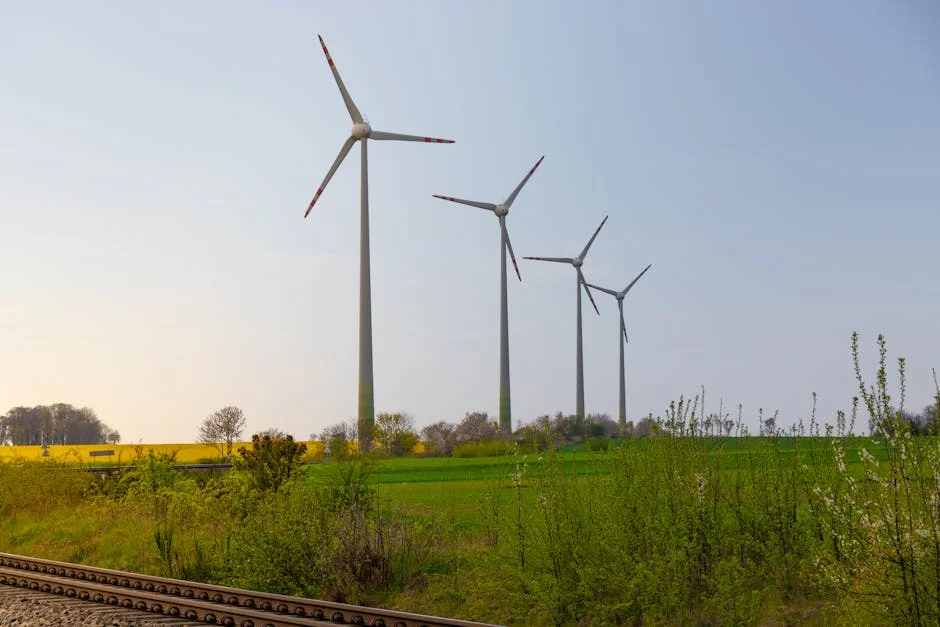
Despite the negative ramifications of rising gas prices, there is an opportunity for South Africa to reassess its energy strategy. The crisis could accelerate investments in renewable energy sources, which are increasingly seen as viable alternatives to fossil fuels. By diversifying energy sources, the country can enhance its resilience to global market fluctuations and position itself as a leader in sustainable energy within the African context.
Next Steps: Monitoring the Situation
As the situation evolves, stakeholders must keep a close eye on gas price trends and their implications for South Africa's energy policies. The government needs to engage with industry players and civil society to formulate a comprehensive response that addresses immediate needs while paving the way for long-term sustainability. The escalation of gas prices is not just an economic issue; it is a complex challenge that intertwines with the broader narrative of African development and governance.