The N2 wall project in Cape Town has ignited heated debates over its implications for urban development and societal equity. Announced last month, the initiative aims to enhance safety and accessibility along the N2 highway, but critics argue it reflects a troubling continuation of apartheid-era spatial planning practices that segregate communities.
Historical Context of Spatial Planning in Cape Town
Spatial planning in South Africa has a long and contentious history, shaped predominantly by apartheid policies that enforced racial segregation. Under apartheid, urban areas were designed to exclude non-white populations from affluent regions, resulting in deep socio-economic disparities that persist today. The N2 wall project, which seeks to create a physical barrier between the highway and adjacent communities, is being scrutinised for potentially perpetuating these historical injustices.
The Project's Objectives and Community Concerns
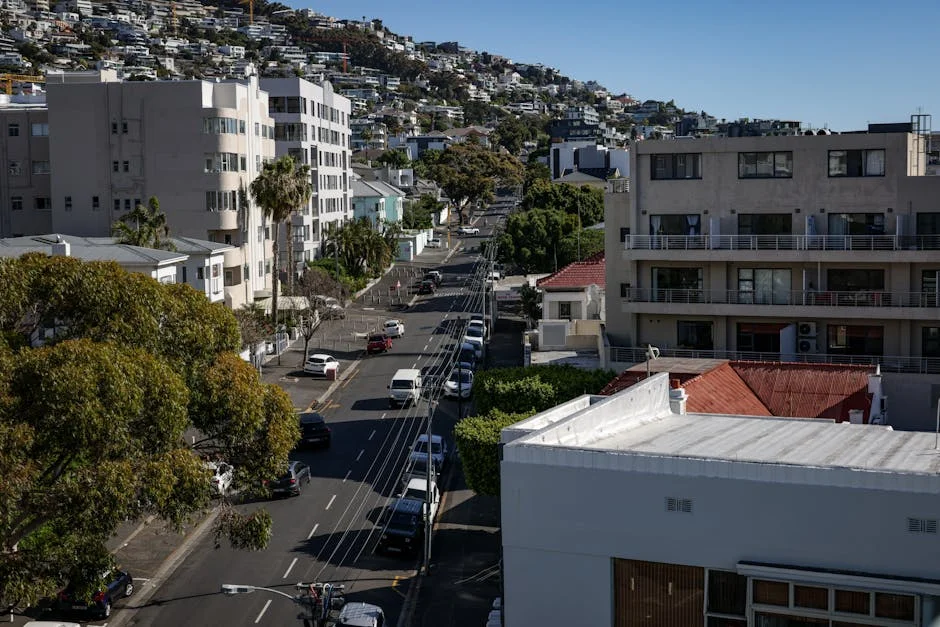
Proponents of the N2 wall project argue that it is necessary for improving traffic management and road safety, citing increased accidents involving pedestrians and cyclists. The City of Cape Town has framed the initiative as part of its broader urban development strategy, which aims to modernise infrastructure and promote economic growth. However, local residents fear that the wall could further isolate them from essential services and economic opportunities.
African Development Goals and Cape Town's Role


This project raises critical questions about how infrastructure development aligns with the United Nations' Sustainable Development Goals (SDGs), particularly those focused on reducing inequalities and fostering sustainable cities. Critics argue that without inclusive planning processes that consider the needs of all communities, initiatives like the N2 wall could exacerbate existing disparities and undermine Cape Town's development goals.
Consequences for Urban Development and Governance
The ongoing debate surrounding the N2 wall project highlights a larger challenge facing South Africa: the need for equitable governance that addresses historical injustices while promoting economic growth. As communities mobilise against the project, there is an opportunity for local authorities to re-evaluate their planning strategies and engage with residents to ensure that future developments serve the interests of all Capetonians.
What to Watch for Next in Cape Town
As the N2 wall project moves forward, stakeholders will be watching closely for its impact on community relations and urban development. The City of Cape Town must balance the need for safety and infrastructure improvements with the imperative of fostering inclusivity and addressing historical inequities. How the situation unfolds could set a precedent for future projects, particularly in a country striving to overcome the legacies of apartheid.
Frequently Asked Questions
What is the latest news about cape towns n2 wall project sparks controversy is apartheid planning back?
The N2 wall project in Cape Town has ignited heated debates over its implications for urban development and societal equity.
Why does this matter for economy-business?
Under apartheid, urban areas were designed to exclude non-white populations from affluent regions, resulting in deep socio-economic disparities that persist today.
What are the key facts about cape towns n2 wall project sparks controversy is apartheid planning back?
The City of Cape Town has framed the initiative as part of its broader urban development strategy, which aims to modernise infrastructure and promote economic growth.