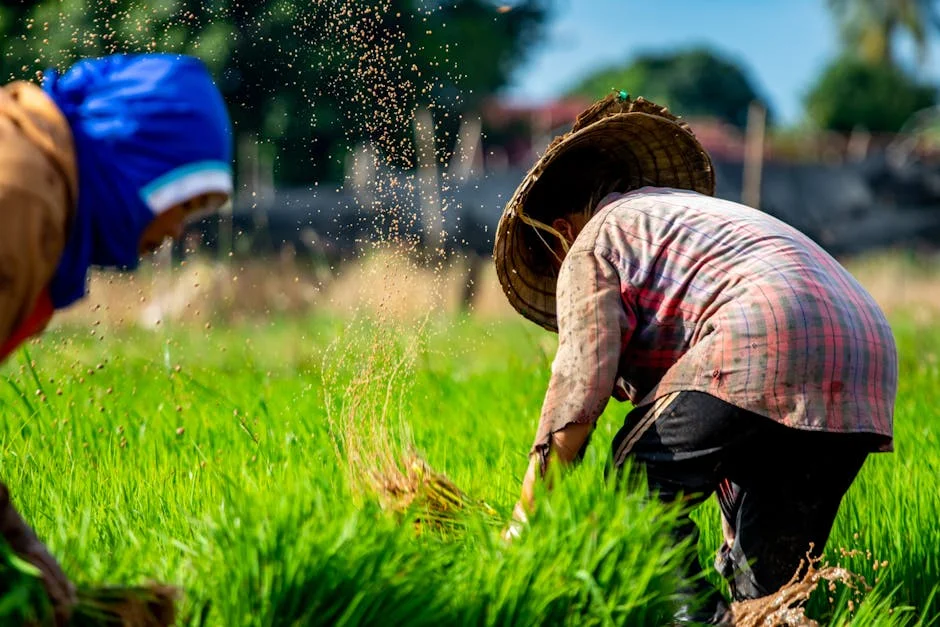
Small-scale farmers are emerging as pivotal players in South Africa’s quest for food security and sustainable agricultural practices amidst rising economic challenges. With over 1.5 million small-scale farmers contributing significantly to the agricultural sector, the government is increasingly recognising their potential in enhancing rural development and bolstering the local economy.
Understanding the Landscape of Small-Scale Farming
According to a 2023 report by Statistics South Africa, small-scale farmers account for approximately 85% of the country's agricultural producers, while contributing nearly 30% to the nation's food production. These farmers often operate on less than 10 hectares of land, focusing on crops such as maize, vegetables, and livestock. Despite their impact, small-scale farmers face numerous challenges, including limited access to credit, land tenure insecurity, and inadequate infrastructure.
Government Initiatives to Support Small-Scale Farmers
In response to these challenges, the South African government has launched various initiatives aimed at empowering small-scale farmers. Thoko Didiza, the Minister of Agriculture, Land Reform and Rural Development, announced in early 2025 the establishment of the Smallholder Farmer Development Programme, which allocates R500 million annually to support training, infrastructure development, and access to markets.
“Our small-scale farmers are crucial in ensuring food security and creating jobs in rural communities,” Didiza stated during the launch. “By equipping them with the necessary tools and resources, we can uplift entire communities and promote sustainable farming practices.”
The Impact of Climate Change
However, the journey for small-scale farmers is fraught with obstacles, particularly as they grapple with the impacts of climate change. According to the South African Weather Service, the country has experienced a 1.5°C increase in average temperatures over the past three decades, resulting in erratic rainfall patterns and extended periods of drought. These climatic shifts significantly affect crop yields, making it imperative for farmers to adopt climate-resilient practices.
Organizations like Food and Trees for Africa are actively working to assist small-scale farmers in implementing sustainable agricultural methods. Their initiatives, which include agroforestry and permaculture training, are designed to help farmers adapt to changing environmental conditions while promoting biodiversity and soil health.
Market Access and Economic Viability
One of the critical areas of concern for small-scale farmers is market access. The lack of established supply chains often limits their ability to sell produce at competitive prices. In response, the National Emergent Red Meat Producers' Organisation (NERPO) has partnered with local grocery chains to create opportunities for small-scale meat producers to supply directly to the market.
“By connecting our farmers with larger retailers, we hope to enhance their income and improve their livelihoods,” said Dr. Khehla Mthembu, NERPO’s Executive Director. “This approach not only supports economic viability but also promotes the consumption of locally produced goods.”
Challenges Ahead


Despite these initiatives, small-scale farmers continue to face systemic challenges. Access to financing remains a significant barrier, with many farmers relying on informal lending channels that often come with exorbitant interest rates. The Department of Agriculture has acknowledged this issue, yet solutions have been slow to materialise.
Additionally, land reform issues remain contentious, with ongoing debates about equitable land redistribution. The South African Human Rights Commission has called for a comprehensive strategy that balances the needs of small-scale farmers with those of commercial landowners, highlighting the complexity of land rights in the country.
The Future of Small-Scale Farming in South Africa
As the government and various organisations work towards creating a conducive environment for small-scale farmers, the focus on innovation and sustainability will be paramount. With South Africa's agricultural sector contributing approximately 10% to the national GDP, the success of small-scale farmers could profoundly impact the country’s economic future.
In conclusion, small-scale farmers embody the potential of South Africa’s agricultural landscape. By investing in their development and addressing the barriers they face, the nation can foster a more resilient food system, ultimately leading to improved food security and economic growth for all South Africans.