South Africa stands at a pivotal crossroads in its energy landscape, with solar energy emerging as a beacon of hope in a country grappling with chronic load shedding and energy insecurity. The transition to renewable energy, particularly solar power, is not just an environmental imperative but a crucial strategy to stabilize the nation’s economy and energy supply.
The Rise of Solar Energy
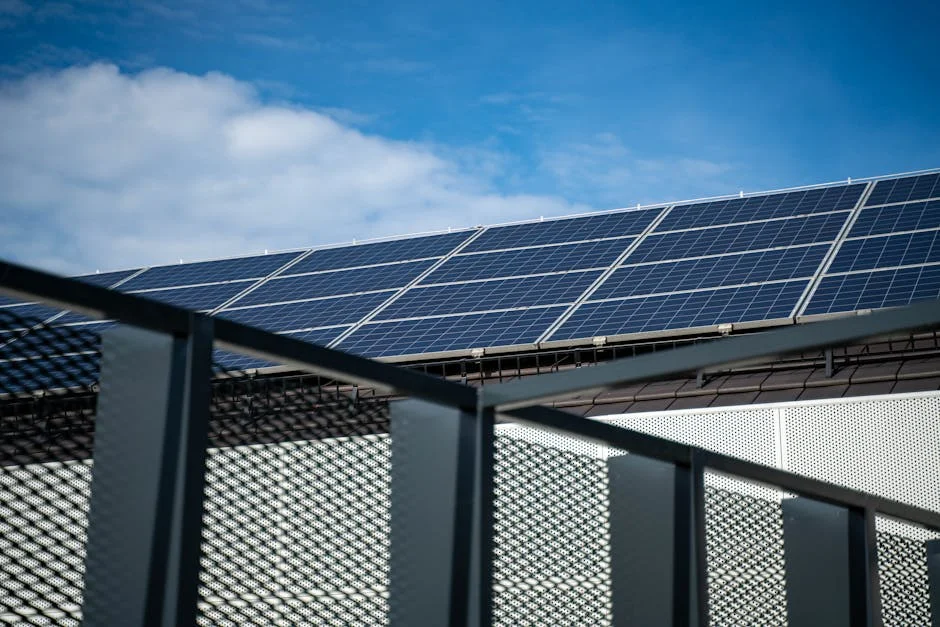
According to the South African Photovoltaic Industry Association (SAPVIA), solar energy capacity has surged by over 150% since 2020, reaching nearly 7 GW by early 2025. This remarkable growth has been bolstered by government initiatives and private sector investments, despite the challenges posed by load shedding. Minister of Mineral Resources and Energy, Gwede Mantashe, announced in a recent address that the government aims to increase the share of renewable energy to 60% of the national grid by 2030.
Government Initiatives and Support
The South African government has implemented several programs to encourage the adoption of solar energy. The Renewable Energy Independent Power Producer Procurement Programme (REIPPPP) has attracted significant investments, with 80 projects totalling 7,000 MW of renewable capacity awarded since its inception. Furthermore, the introduction of the Solar Photovoltaic (PV) Technical Assistance Programme has provided municipalities with the technical know-how to integrate solar energy into their grids efficiently.
In another landmark development, the Department of Mineral Resources and Energy recently launched a new solar energy policy aimed at simplifying the process for households and small businesses to install solar panels. This initiative is expected to reduce the bureaucratic hurdles and cut costs for consumers, making solar energy more accessible.
Economic and Environmental Benefits
The economic implications of solar energy are profound. A report from the Council for Scientific and Industrial Research (CSIR) indicates that the solar sector could create over 100,000 jobs by 2030, contributing to efforts in reducing the nation’s unemployment rate, which currently stands at about 35%. The jobs created will span from manufacturing, installation, maintenance to research and development in solar technologies.
Environmentally, solar energy offers a path towards a more sustainable future for South Africa. Transitioning to solar power can significantly reduce carbon emissions, facilitating the country's commitments under the Paris Agreement to decrease greenhouse gas emissions by 28% by 2030. By investing in solar infrastructure, South Africa aims to mitigate the adverse effects of climate change, especially in vulnerable communities.
Challenges Ahead
Despite the promising developments, the solar energy sector faces several hurdles. One pressing issue is the lack of adequate infrastructure for energy storage and distribution, which is critical for balancing supply and demand, particularly during peak usage hours. According to Energy Analyst, Dr. Kanyane Mkhize, “Without sufficient battery storage capacity, solar energy’s variability could undermine its reliability and limit its integration into the national grid.”
Furthermore, bureaucratic inefficiencies and policy uncertainty continue to hinder the potential of the solar industry. Stakeholders, including the South African Renewable Energy Council (SAREC), are urging the government to streamline the regulatory framework to encourage more investments and innovations in renewable energy technologies.
Community Engagement and Awareness

Community engagement plays a vital role in the transition to solar energy. Non-governmental organisations such as Earthlife Africa are actively working on educational campaigns to raise awareness about the benefits of solar energy, particularly in rural areas where access to electricity remains a significant challenge. Their efforts have included workshops and training sessions that empower communities to harness solar power for their own use, reducing reliance on traditional energy sources.
Looking Ahead
As South Africa forges ahead into a brighter energy future, the role of solar energy will be crucial. With the government’s commitment to renewable energy, coupled with increased public awareness and technological advancements, solar energy could potentially transform the nation's energy landscape. Minister Mantashe emphasized at a recent summit, "Solar energy is not just a solution for today; it is an investment in our future, ensuring energy security and economic stability for generations to come." The journey towards a sustainable energy future is long, but with concerted efforts, South Africa is on the right track.
Frequently Asked Questions
What is the latest news about south africas solar energy revolution a bright future amidst challenges?
South Africa stands at a pivotal crossroads in its energy landscape, with solar energy emerging as a beacon of hope in a country grappling with chronic load shedding and energy insecurity.
Why does this matter for environment-nature?
This remarkable growth has been bolstered by government initiatives and private sector investments, despite the challenges posed by load shedding.
What are the key facts about south africas solar energy revolution a bright future amidst challenges?
The Renewable Energy Independent Power Producer Procurement Programme (REIPPPP) has attracted significant investments, with 80 projects totalling 7,000 MW of renewable capacity awarded since its inception.