Zulu Majesty: Celebrating King Goodwill Zwelithini's Legacy and Impact on South Africa
The Enduring Symbol of Zulu Pride
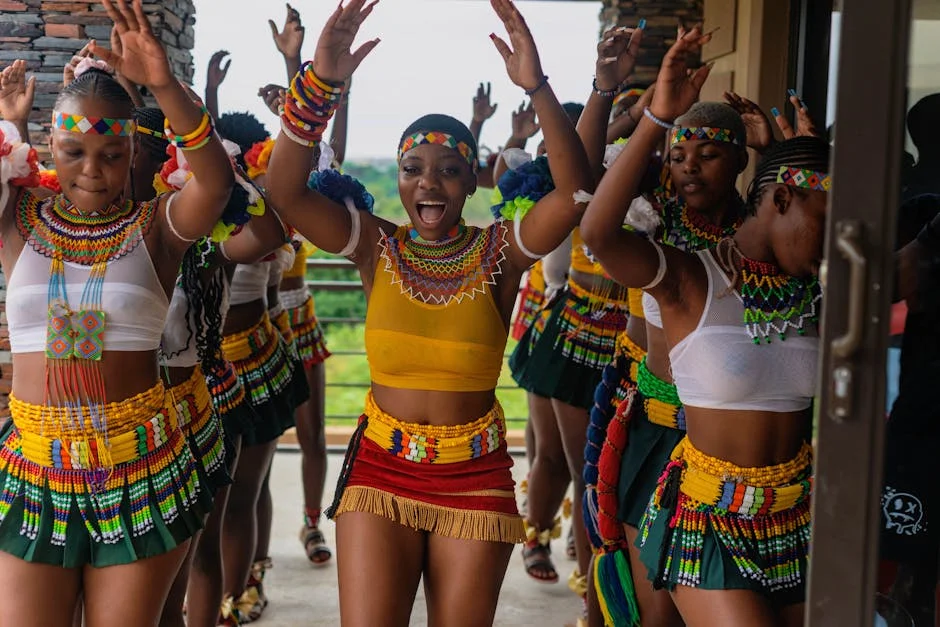
King Goodwill Zwelithini kaBhekuzulu was not just a monarch; he was an emblem of Zulu pride and identity. As the traditional ruler of the Zulu people, King Goodwill played a crucial role in preserving and promoting Zulu culture and traditions. His reign spanned over four decades, during which time he worked tirelessly to maintain the rich cultural heritage of the Zulu nation while also navigating the complexities of modern South African society. This dual role as both custodian of tradition and leader in contemporary times underscores the enduring relevance of traditional leadership in South Africa and across the continent.
A Bridge Between Past and Present
King Goodwill’s influence extended far beyond the borders of the Zulu Kingdom. He served as a bridge between past and present, connecting the ancient traditions of his people with the dynamic realities of 21st-century South Africa. His efforts to preserve Zulu language, customs, and festivals helped to strengthen the cultural fabric of the nation, fostering a sense of unity and shared identity among diverse communities. Moreover, his support for traditional healers and indigenous knowledge systems highlighted the importance of integrating traditional practices into modern healthcare and education frameworks.
Economic Empowerment Through Cultural Tourism
One of King Goodwill’s notable contributions was his promotion of cultural tourism in KwaZulu-Natal. By showcasing the vibrant traditions and stunning landscapes of the Zulu Kingdom, he attracted visitors from around the world, boosting local economies and creating job opportunities. This initiative aligns with broader African development goals, such as fostering economic growth through tourism and promoting regional integration. It demonstrates how traditional leadership can play a pivotal role in driving socio-economic progress and enhancing the global profile of African nations.
The Role of Traditional Leadership in Governance
In South Africa, traditional leaders like King Goodwill Zwelithini hold significant sway in governance structures, particularly at the provincial and local levels. Their influence extends to land allocation, dispute resolution, and community development projects. This system of governance reflects the importance placed on traditional institutions within the broader framework of democratic rule. By maintaining strong ties with their communities, traditional leaders ensure that local voices are heard and that policies reflect the needs and aspirations of all citizens. This model of governance offers valuable lessons for other African countries seeking to balance modern administrative systems with traditional practices.
Cultural Revival and Education
Under King Goodwill’s guidance, there was a resurgence of interest in Zulu language and culture, especially among younger generations. Educational initiatives aimed at teaching Zulu history, language, and traditions in schools helped to foster a deeper appreciation for the richness of Zulu heritage. This cultural revival is essential for the continued development of South Africa, as it ensures that future generations remain connected to their roots while embracing new opportunities. Furthermore, it highlights the importance of inclusive education policies that celebrate diversity and promote intercultural understanding.
Legacy of Unity and Resilience
King Goodwill Zwelithini’s legacy is one of unity and resilience. Throughout his reign, he worked to bring together different factions within the Zulu community, addressing internal conflicts and fostering a sense of collective purpose. His ability to navigate complex political landscapes and maintain strong relationships with both traditional and governmental leaders set a precedent for effective collaboration. This spirit of unity is crucial for achieving African development goals, as it underscores the power of cooperation in overcoming challenges and realizing shared visions for prosperity.
In celebrating King Goodwill Zwelithini’s life and legacy, we recognise not only the profound impact he had on the Zulu people but also the broader significance of traditional leadership in shaping the course of African development. His dedication to preserving cultural heritage, promoting economic growth, and fostering unity serves as an inspiration for future generations of leaders across the continent.