Villagers on the picturesque island of Príncipe, often referred to as the 'African Galapagos', will receive payments for protecting their unique ecosystem, marking a significant stride towards sustainable development and environmental conservation. The initiative, spearheaded by local leader Kimilson Lima, aims to benefit both the natural habitat and the community's economy.
A Unique Partnership for Conservation
The arrangement, announced by Mr Lima, involves the villagers receiving financial compensation from international organisations and local businesses for maintaining the island’s rich biodiversity. This innovative approach not only recognises the intrinsic value of Príncipe’s ecosystems but also provides an economic incentive for residents to continue their traditional practices that support the environment.
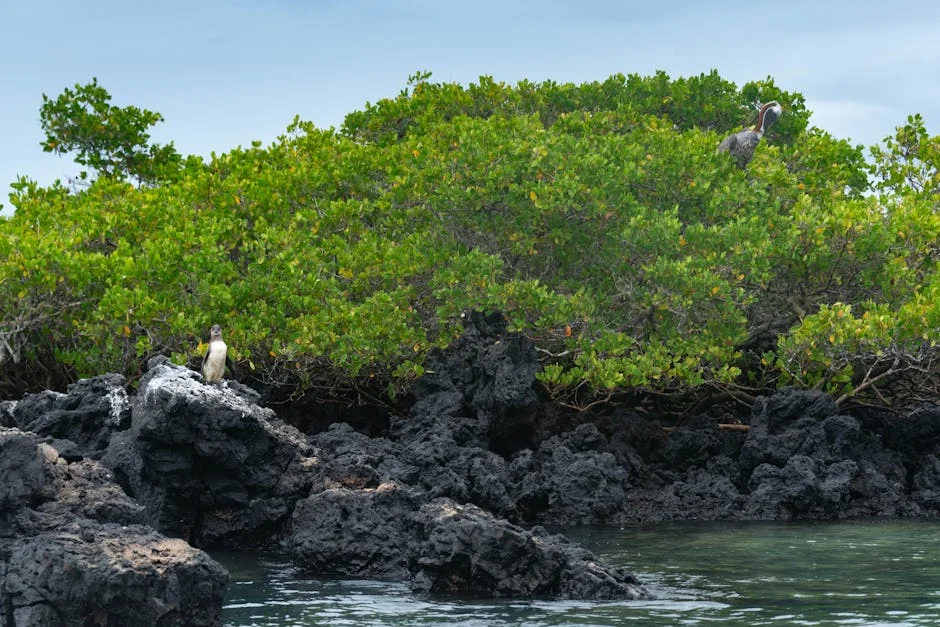
Located off the coast of West Africa, Príncipe is known for its lush forests, diverse wildlife, and pristine beaches. It serves as a critical habitat for numerous endemic species, making it a prime location for ecological research and eco-tourism.
The Role of Porto Real
The village of Porto Real, situated on the eastern side of Príncipe, plays a pivotal role in this new initiative. As one of the largest settlements on the island, Porto Real has a long history of interaction with the natural surroundings. Its residents have traditionally relied on fishing and agriculture, activities that are now being harmonised with conservation efforts through this payment scheme.
The decision to include Porto Real in this programme highlights the importance of involving local communities in environmental management. By doing so, it ensures that the benefits of preserving the island’s ecosystem are shared among those who live closest to it.
African Development Goals and Challenges
This initiative aligns closely with broader African development goals, particularly those related to sustainable resource management and poverty reduction. Across the continent, there is a growing recognition of the need to balance economic growth with environmental sustainability.
However, achieving these goals presents several challenges. Many African countries face rapid urbanisation, population growth, and climate change, which put pressure on natural resources. Additionally, there is often a gap between policy objectives and practical implementation, especially in rural areas where traditional livelihoods may be at odds with modern conservation methods.
Economic Growth and Community Benefits
The payment scheme for Porto Real’s villagers offers a model for how economic growth can be linked to environmental stewardship. By providing direct financial rewards for conservation efforts, it encourages local participation in larger continental initiatives aimed at protecting biodiversity.
In addition to boosting the local economy, this approach also fosters a sense of ownership and pride among residents regarding their natural heritage. Such feelings can translate into stronger advocacy for environmental policies at regional and national levels, potentially influencing broader African development strategies.
Next Steps and Observations
The success of this programme in Porto Real could pave the way for similar arrangements in other parts of Africa, where there is a wealth of biodiversity but limited resources for conservation. As such, it represents not just a local triumph, but a potential model for sustainable development across the continent.
Furthermore, the initiative underscores the interconnectedness of African nations, with lessons learned in one part of the continent potentially benefiting others. As African leaders work towards common goals of economic growth and environmental sustainability, examples like Porto Real offer valuable insights into how these objectives can be achieved through community-led initiatives.