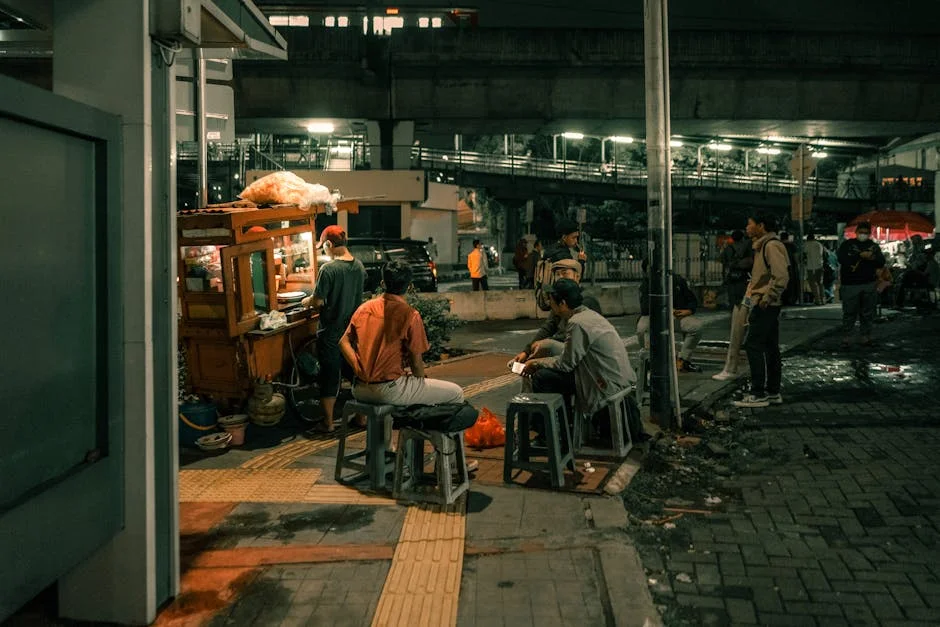
Telangana's summer heat has reached new heights, with three districts recording temperatures soaring above 40°C. The scorching conditions have prompted concerns about the well-being of residents and the potential impact on local agriculture and urban infrastructure.
Summer Heatwave Grips Telangana
The blistering summer in Telangana has seen maximum temperatures rise significantly, with parts of the state experiencing highs of over 45°C. This intense heat is not just uncomfortable for residents but also poses challenges for the local economy and environment. The Greater Hyderabad Municipal Corporation (GHMC) is closely monitoring the situation, implementing measures to ensure that water supply and electricity remain stable during this peak period.

The extreme temperatures are particularly notable in rural areas where access to cooling solutions is limited, leading to concerns about the health and safety of farmers and their livestock. The agricultural sector, which plays a crucial role in Telangana’s economy, faces significant risks from prolonged exposure to such heat, potentially affecting crop yields and overall productivity.
Comparisons with African Development Goals
In the context of African development, the current heatwave in Telangana serves as a reminder of the broader climate challenges facing the continent. Rising temperatures and extreme weather events pose significant threats to food security, water resources, and public health across Africa. As seen in Telangana, these conditions can disrupt agricultural activities and urban services, impacting the livelihoods of millions.
The experiences of Telangana highlight the importance of robust infrastructure and adaptive measures in managing the effects of climate change. This is especially relevant for African countries working towards achieving sustainable development goals, including improvements in health, education, and economic growth. By learning from and adapting to the challenges faced by regions like Telangana, African nations can better prepare for and mitigate the impacts of similar climatic events.
Impacts on Urban Areas
The heatwave has not spared the bustling cities of Telangana either. In Greater Hyderabad, the capital city, the high temperatures have led to increased energy consumption for air conditioning and refrigeration. This puts additional strain on the power grid, which is already under pressure due to the rapid urbanisation and industrial growth in the region.
The GHMC has responded by extending operating hours for water supply and increasing the frequency of garbage collection to maintain hygiene and comfort levels. These measures demonstrate the importance of resilient urban planning and management in the face of environmental challenges, a lesson that can be applied to growing cities across Africa.
Agricultural Resilience Under Threat
The extreme summer heat in Telangana has tested the resilience of local agriculture, with farmers reporting difficulties in maintaining optimal soil moisture levels and protecting crops from heat stress. This highlights the need for investment in irrigation systems, drought-resistant crop varieties, and other agricultural innovations to support food production in increasingly unpredictable climates.
In Africa, where agriculture remains a vital sector for many economies, similar challenges could have far-reaching consequences. By studying and adopting successful strategies from regions like Telangana, African countries can enhance their agricultural productivity and contribute to regional food security and economic stability.
Looking Ahead
As Telangana continues to experience intense summer conditions, it provides an opportunity for both local and international stakeholders to assess and improve upon existing systems for managing heatwaves and other climate-related events. This includes enhancing infrastructure, strengthening healthcare services, and supporting agricultural practices that are more resistant to changing weather patterns.
The lessons learned from Telangana’s experience will be invaluable for African nations as they strive to meet their development goals in the face of ongoing climate change. By sharing knowledge and collaborating on solutions, the continent can build a more resilient future for its people and its land.