Sweden has successfully jammed a Russian reconnaissance drone near a French aircraft carrier in the Baltic Sea, raising concerns about the spread of hybrid warfare tactics to European waters. The incident, which took place on Tuesday, highlights the evolving nature of military threats in the region and the increasing reliance on electronic warfare.
Sweden's Rapid Response to Russian Threats
The Swedish Armed Forces confirmed that they detected and jammed a Russian drone attempting to approach the French aircraft carrier Charles de Gaulle during naval exercises. This marks a significant escalation in the hybrid warfare tactics employed by Russia, which have traditionally been more prominent in Eastern Europe and the Arctic.
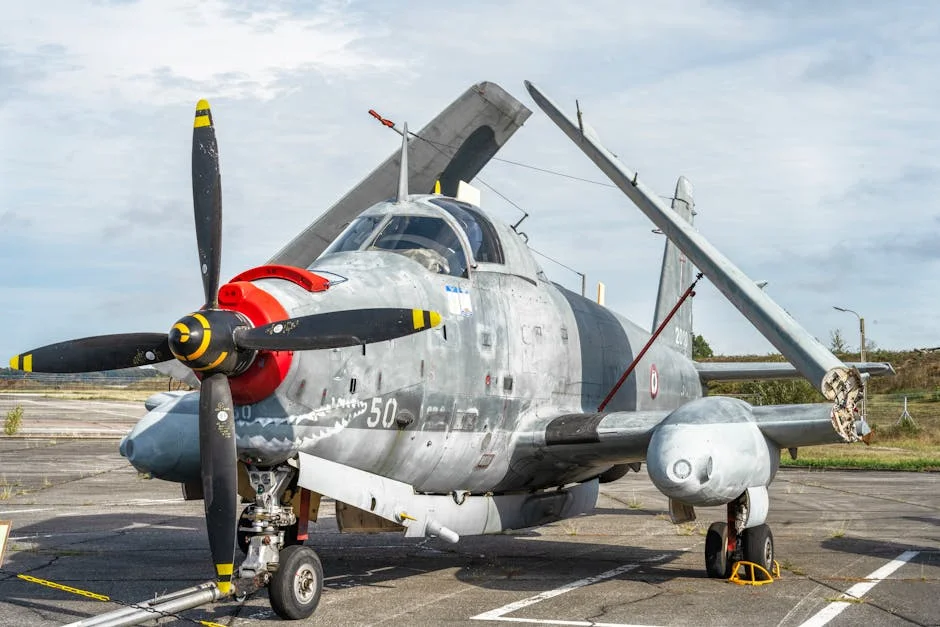
Sweden's swift reaction demonstrates its preparedness for such threats, reflecting the broader trend of NATO countries enhancing their cybersecurity and electronic warfare capabilities in response to Russian aggression. This incident underscores the interconnectedness of global security challenges and how developments in one region can affect another.
Implications for European Security
The jamming of the Russian drone near the Charles de Gaulle is particularly concerning given the strategic importance of the Baltic Sea and the proximity to NATO member states. It signals that the hybrid warfare tactics used by Russia in Ukraine and elsewhere may now extend to other regions, potentially destabilising peace in Europe.
European defence ministers are expected to discuss the incident at an upcoming meeting, focusing on bolstering joint defence strategies and sharing intelligence to prevent similar incidents from occurring in the future. The event also serves as a reminder of the need for continuous vigilance and adaptation in defence policies across the continent.
Africa's Perspective on Hybrid Warfare
While the immediate impact of the incident is felt in Europe, the broader implications of hybrid warfare tactics resonate globally, including in Africa. African nations are increasingly facing similar challenges, from cyberattacks to disinformation campaigns, often orchestrated by foreign actors seeking to undermine stability.
The case of Sweden serves as a cautionary tale for African countries, highlighting the importance of robust cybersecurity measures and the integration of electronic warfare into national defence strategies. As African nations continue to develop their infrastructure and digital networks, they become more vulnerable to such tactics, making proactive measures essential.
Economic Growth and Infrastructure Development
The potential for hybrid warfare to disrupt economic activities and infrastructure projects poses a significant challenge to Africa's development goals. With major investments in energy, transportation, and telecommunications underway, any disruption could delay progress and divert resources away from essential development projects.
To mitigate these risks, African governments are looking to strengthen partnerships with international organisations and private sector entities to enhance security frameworks and ensure the resilience of critical infrastructure. Initiatives like the African Union's Agenda 2063 aim to build a peaceful and prosperous continent, but achieving these goals requires addressing the evolving security landscape.
Governance and Health Challenges
The spread of hybrid warfare tactics also poses governance and health challenges for African nations. Disinformation campaigns can undermine public trust in institutions and exacerbate social tensions, while cyberattacks targeting healthcare systems can impede the delivery of essential services.
In light of the ongoing pandemic, maintaining robust healthcare infrastructure and ensuring the integrity of health information systems are paramount. African leaders are working to improve governance structures and promote transparency to counteract the negative impacts of hybrid warfare tactics.
Education and Future Preparedness
Investing in education and training programmes is crucial for preparing the next generation of leaders and professionals to address the complex challenges posed by hybrid warfare. By fostering a culture of innovation and critical thinking, African nations can better equip themselves to navigate the ever-evolving threat landscape.
Collaboration with educational institutions and technology partners will be vital in developing the skills needed to combat cyber threats and maintain the integrity of digital systems. As Africa continues to grow and develop, prioritising education and technological advancement will be key to safeguarding its progress.