The recent surge in global oil prices has sent shockwaves through Pakistan’s already fragile economy, impacting millions of families as they prepare for the upcoming festival of Eid al-Fitr. This development not only highlights the interconnectivity of economies across the globe but also underscores the challenges faced by African nations in achieving sustainable economic growth.
Pakistan Struggles with Rising Fuel Costs
The surge in oil prices, driven largely by geopolitical tensions in the Persian Gulf, has caused fuel costs in Pakistan to skyrocket. With the country heavily dependent on imported oil, this has put significant pressure on its already strained financial situation. The timing of this increase is particularly challenging for Pakistan, as it coincides with the festival of Eid al-Fitr, a time when many families spend extra money on food, clothing, and travel.
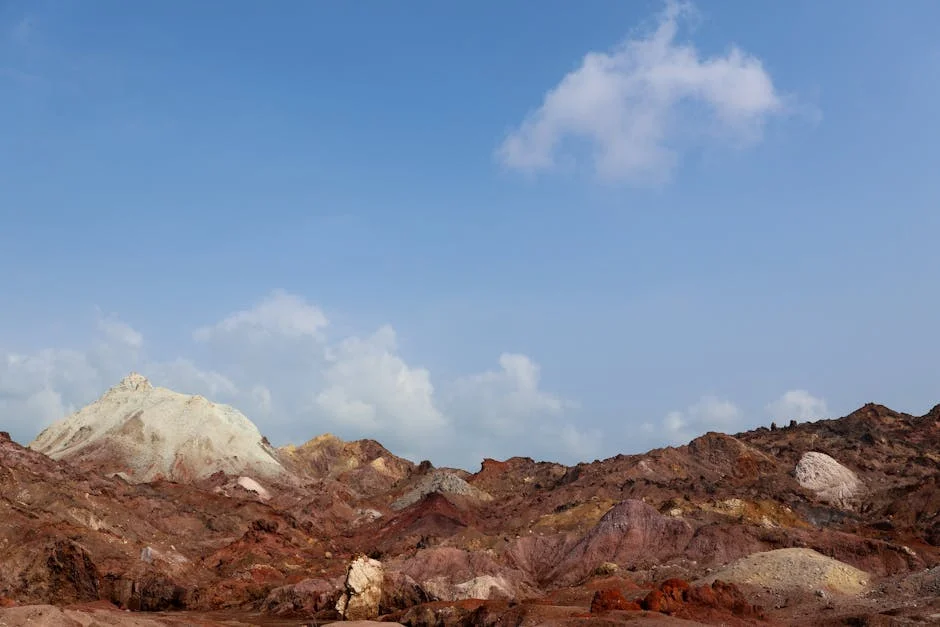
Economists predict that the increased cost of living will have a detrimental effect on Pakistan’s lower-income households, which make up a large portion of the population. This comes at a time when the country is grappling with a currency crisis and high inflation rates, making the situation even more precarious.
Africa's Economic Interdependencies
The impact of global oil price fluctuations on Pakistan serves as a reminder of how interconnected economies are, especially those of developing nations. For Africa, this interdependence presents both challenges and opportunities. While rising oil prices can strain budgets and affect import costs, they also offer chances for countries to diversify their energy sources and reduce reliance on foreign fuels.
In recent years, several African countries have made strides in renewable energy, such as solar and wind power, which can help mitigate the effects of volatile global oil markets. However, there remains a need for continued investment in infrastructure and technology to fully realise these benefits.
Continental Challenges and Opportunities
The surge in oil prices also highlights some of the broader challenges facing Africa in terms of economic growth and stability. Many African nations rely on exports of commodities like oil, minerals, and agricultural products, which can be subject to global market fluctuations. This makes them vulnerable to external shocks and can hinder long-term development plans.
However, Africa's vast natural resources, growing populations, and increasing urbanisation present numerous opportunities for economic expansion. By investing in education, healthcare, and infrastructure, African countries can build a foundation for sustained growth and resilience against future economic disruptions.
Implications for Development Goals
The current situation in Pakistan and the global oil market serve as a call to action for African nations to focus on their development goals. By prioritising investments in human capital and infrastructure, they can create a more stable and prosperous future for their citizens. Additionally, strengthening regional trade and cooperation can help buffer against external economic pressures and promote shared prosperity across the continent.
As African leaders work towards achieving the United Nations Sustainable Development Goals, they must consider how global events, such as oil price surges, can impact their progress. By adapting and innovating, they can turn these challenges into opportunities for growth and development.
Looking Ahead
The coming months will be crucial for Pakistan and other developing nations as they navigate the effects of rising oil prices. For Africa, this period offers an opportunity to reassess its economic strategies and make strategic investments that will support long-term growth and stability. As the world watches, the continent's ability to adapt and thrive in the face of global challenges will be closely watched.