The ongoing conflict in Sudan has escalated dramatically over recent weeks, with both government forces and rival militias intensifying their efforts to secure territorial control. This relentless fighting, rooted in deep-seated political and ethnic tensions, poses significant challenges not only for Sudan but also for broader regional stability in Africa.
Sudan’s Civil War: A Catalyst for Regional Instability
The brutal conflict in Sudan has persisted since April 2023, sparked by a power struggle between the Sudanese Armed Forces (SAF) led by General Abdel Fattah al-Burhan and the Rapid Support Forces (RSF) commanded by Mohamed Hamdan Dagalo, commonly known as Hemedti. As of now, thousands have died, and millions are displaced, exacerbating an already dire humanitarian crisis.
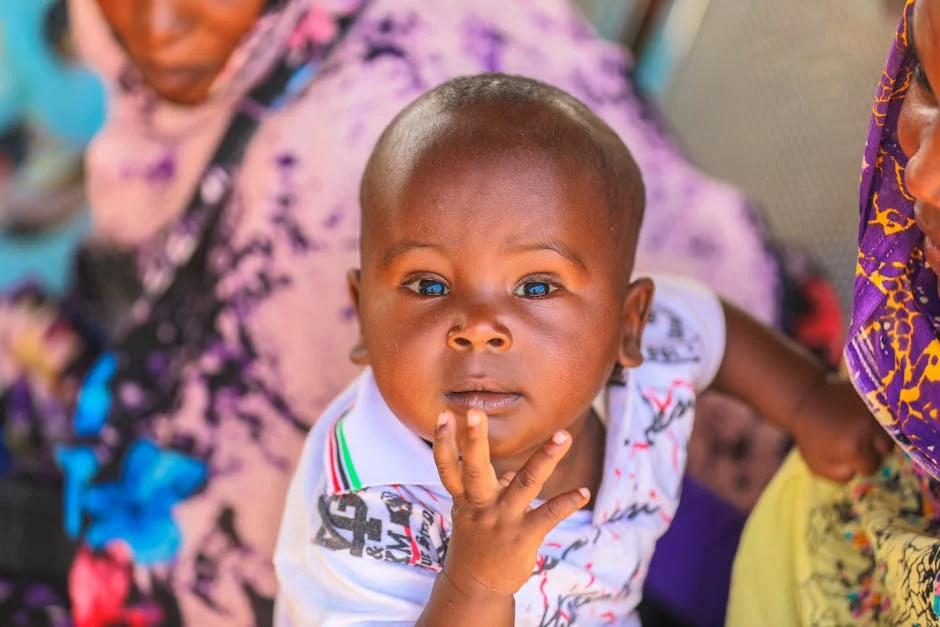
Recent reports indicate that cities such as Khartoum and Darfur have become battlegrounds, with civilians caught in the crossfire. The fighting has spread beyond Sudan’s borders, threatening to destabilise adjacent countries like South Sudan and Chad, which are already grappling with their own challenges.
Implications for African Development Goals
The conflict poses a significant setback to the African Union’s Agenda 2063, which aims for an integrated, prosperous Africa based on inclusive growth and sustainable development. Sudan, boasting rich natural resources, has the potential to contribute significantly to the continent's economic landscape. However, ongoing violence undermines these prospects, stalling development initiatives and worsening poverty levels.
For South Africa, the implications are profound. As a leading economy on the continent, any instability in Sudan could ripple through trade networks, affecting economic growth and trade relations. The South African government has already expressed concern about the humanitarian toll and the potential for increased refugee flows across borders.
Health and Humanitarian Crisis Escalates
With health facilities overwhelmed and humanitarian assistance severely hampered, the situation is becoming increasingly dire. The World Health Organization (WHO) has warned that the conflict has led to a collapse of healthcare services, with diseases like cholera and malaria threatening to spread. This health crisis not only affects Sudan but also poses a risk to neighbouring countries, further straining regional resources.
Internationally, the United Nations has called for urgent intervention, but the complex political landscape makes consensus difficult. The lack of a coordinated response raises questions about the effectiveness of existing governance structures in addressing such crises.
Opportunities Amidst the Turmoil
While the situation in Sudan remains precarious, opportunities for development and peacebuilding exist. There have been calls for renewed dialogue among all parties involved, suggesting that a negotiated settlement may still be possible. Moreover, this conflict highlights the need for stronger regional cooperation and investment in infrastructure, health, and education to build resilience against future conflicts.
South Africa, with its experience in post-apartheid reconciliation, could play a pivotal role in facilitating dialogue, offering valuable lessons in governance and nation-building that could assist Sudan in navigating its complex landscape.
What’s Next for Sudan and Africa?
The ongoing conflict in Sudan is a stark reminder of the fragility of peace and stability across Africa. As the international community watches closely, the need for robust governance mechanisms and investment in conflict resolution strategies has never been more urgent. For South Africa and other nations, the situation in Sudan serves as a critical touchpoint for understanding the broader implications of regional conflict on development goals and economic growth.
As we await further developments, it is essential to keep an eye on how the conflict evolves and what measures can be taken to ensure that Sudan's challenges do not become a broader crisis affecting the entire continent.