South Africa has seized four Chinese fishing vessels that were found to be in violation of its Exclusive Economic Zone (EEZ) regulations, highlighting ongoing tensions over maritime rights and the importance of protecting local resources.
Chinese Fishing Vessels Found in South African Waters
The South African authorities intercepted the four Chinese vessels near the country’s coastline earlier this month. The vessels were found to be operating without permission within South Africa's EEZ, which extends up to 200 nautical miles from the coast. This action by the Chinese vessels is significant not just for South Africa but also for the broader context of African development and regional cooperation.

South Africa’s decision to seize these vessels comes at a time when the country is focusing on strengthening its control over marine resources and ensuring sustainable use. This move aligns with the national development goals set out in the National Development Plan, which emphasises the importance of fisheries management and conservation.
Implications for South African Fisheries
The interception of the Chinese vessels is crucial for safeguarding South Africa’s marine biodiversity and supporting local fishing communities. Overfishing by foreign vessels can deplete fish stocks and disrupt the ecological balance, which could have long-term negative impacts on both the environment and the economy.
By enforcing strict adherence to EEZ regulations, South Africa aims to protect its valuable fisheries resources, ensuring they remain abundant for local fishermen and contribute to the country’s food security and economic growth. This is particularly important given the role of fisheries in providing employment and income for coastal communities.
African Perspectives on Maritime Rights
The incident also underscores the wider challenges faced by African nations in asserting their maritime rights against larger global players. Many African countries share similar concerns about the impact of foreign fishing on their waters and the need to manage these resources sustainably.
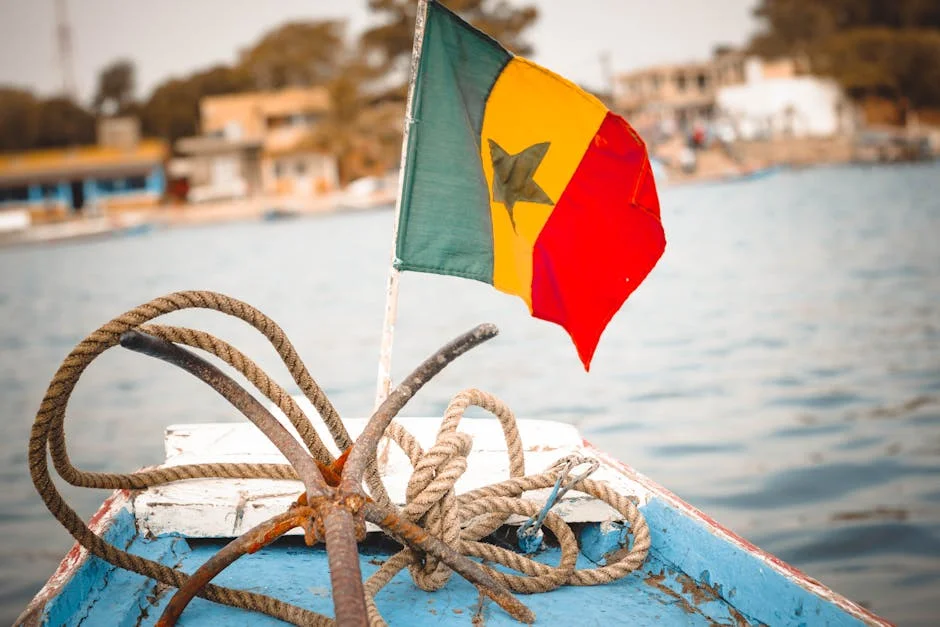
In addition to South Africa, other African states such as Senegal and Mauritania have recently taken steps to restrict access to their EEZs by foreign vessels. These actions reflect a growing awareness among African nations of the importance of controlling their maritime resources and the potential for these resources to drive economic development and prosperity.
Economic Growth and Regional Cooperation
The seizure of the Chinese vessels highlights the interplay between economic interests and regional cooperation in Africa. While China is a major trading partner for many African countries, there are ongoing discussions about the terms of trade and the balance of benefits.
For South Africa, maintaining control over its EEZ is part of a broader strategy to promote economic growth and diversify its industries. By protecting its fisheries, South Africa can support the development of related sectors such as aquaculture and seafood processing, creating jobs and boosting exports.
Continental Challenges and Opportunities
The case of the Chinese vessels in South African waters is emblematic of the broader challenges facing Africa in managing its natural resources and engaging with global partners. It also presents an opportunity for African nations to collaborate more closely on issues of shared interest, such as maritime governance and environmental protection.
Through initiatives like the African Union’s Agenda 2063, which outlines a vision for the continent’s development, African leaders are working towards greater integration and cooperation. The management of maritime resources is one area where this collaboration can have a tangible impact, benefiting both individual countries and the continent as a whole.
Conclusion
The seizure of the four Chinese fishing vessels by South Africa serves as a reminder of the ongoing efforts to assert control over valuable maritime resources and the importance of these resources for achieving development goals. As African nations continue to navigate their relationships with global partners, the protection of local fisheries remains a key priority for economic growth and sustainability.