The execution of Hodan Mohamud Diiriye in Galkayo, Somalia, has sparked outrage and debate over the judicial process in the country. Convicted of child murder, her case has raised critical questions about governance, human rights, and the rule of law in Somalia, as the country grapples with its ongoing challenges in health, education, and economic development.
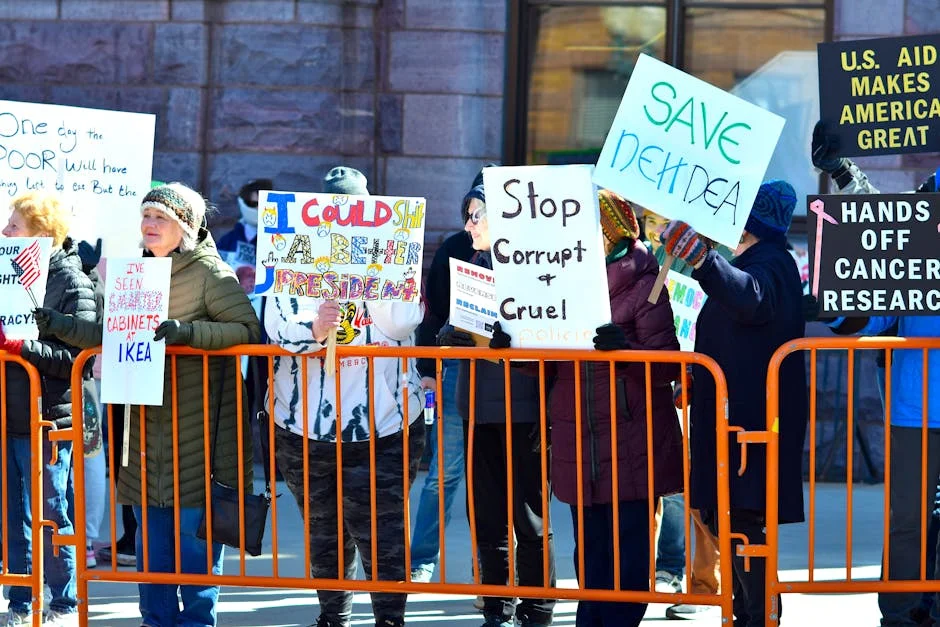
Public Outcry Over Judicial Process
The swift execution of Hodan Mohamud Diiriye has ignited a firestorm of criticism both within Somalia and from international human rights organisations. Diiriye was accused of killing a child, but many argue that the judicial proceedings leading to her death lacked transparency and fairness. Activists have claimed that her trial was hastily conducted, with allegations that she was denied adequate legal representation and vital evidence was overlooked.
Why Galkayo Matters: A Reflection of Broader Issues
Galkayo, a city in central Somalia, serves as a microcosm of the challenges facing the nation. The region struggles with inadequate infrastructure, healthcare, and educational systems, which are crucial for the country’s development goals. The execution of Diiriye has highlighted the urgent need for reform in the legal system, particularly in areas concerning women's rights and juvenile justice. Somalia's ongoing instability, exacerbated by political strife and economic hardship, has left its institutions weak and vulnerable to corruption.
The Role of Governance in Development
The case of Diiriye underscores the broader challenges of governance in Somalia. With a history of civil war and a fragmented political landscape, the country faces immense difficulties in establishing a fair and just legal system. Effective governance is essential for achieving the African Union's Agenda 2063, which aims for inclusive development, peace, and stability across the continent. The execution of Diiriye raises alarms about the potential for human rights abuses and the need for a judicial system that upholds the principles of justice and equality.
Health and Education: The Twin Pillars of Progress
In the context of Galkayo's ongoing struggles, the execution case further complicates efforts to improve health and education in the region. With the population's focus diverted towards legal and human rights issues, it becomes increasingly challenging to address urgent needs such as healthcare access and educational resources. Somalia's health system is already under strain, with limited facilities and personnel, and the turmoil surrounding cases like Diiriye's only serve to hinder progress in these critical areas.
Looking Ahead: Consequences and Opportunities for Change
The aftermath of Hodan Mohamud Diiriye's execution presents both challenges and opportunities for Somalia. As the nation grapples with public backlash and international scrutiny, there is a pressing need for reform in the justice system and broader governance structures. Activists and human rights defenders are calling for a more comprehensive approach to legal proceedings, advocating for the establishment of frameworks that protect the rights of the accused and prioritise the welfare of children. This case could serve as a catalyst for change, prompting a re-evaluation of policies and practices that align with Africa's development goals.