Somalia's parliament approved a new constitution on September 15, 2023, paving the way for directly elected lawmakers. This landmark decision aims to enhance democratic governance and stability in a nation long plagued by civil strife and political fragmentation.
Direct Elections: A Shift Towards Democracy
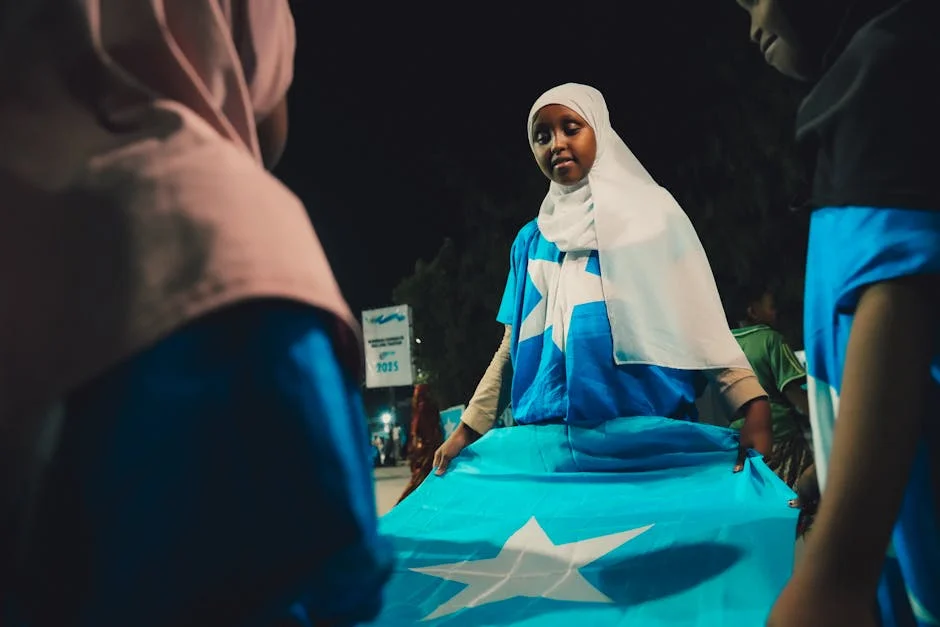
The newly ratified constitution introduces a framework for direct elections, allowing citizens to choose their representatives rather than relying on a complex clan-based system. This shift marks a significant departure from previous practices and is intended to empower the electorate, fostering greater accountability among public officials.
Why This Matters for Somalia's Future
Historically, Somalia has struggled with governance issues, including warlordism and extremism, which have hampered development and economic growth. The new constitution aims to address these challenges by promoting inclusivity and representation, thereby laying the groundwork for a more stable political environment. This change is crucial as Somalia seeks to meet its African development goals, including improved governance and economic development.
The Continental Perspective: Implications for Africa
Somalia's move towards direct elections resonates with broader continental challenges and opportunities. As African nations grapple with governance issues, Somalia's experience could offer insights into democratic reforms. Improved governance in Somalia could also inspire similar moves in countries facing political unrest or weak institutions, contributing to the overall advancement of democracy on the continent.
Potential Economic Impact: A New Era for Development
The establishment of a more democratic governance structure is expected to attract foreign investment, as potential investors often seek stable political environments. With a constitution that supports direct elections, Somalia could enhance its economic growth prospects, which remain critical for alleviating poverty and improving infrastructure and health services.
South Africa's Stake in Somalia's Transition
For South Africa, Somalia's political transformation holds implications that extend beyond its borders. As a key player in the African Union, South Africa may find opportunities for partnership in Somalia's development initiatives. Furthermore, the stability of Somalia is vital for the Horn of Africa's security, which directly affects regional trade and cooperation.
What Comes Next: Monitoring Progress
The successful implementation of the new constitution will require ongoing commitment from Somali leaders and civil society. Observers should watch for the establishment of electoral frameworks and the engagement of the public in the political process. The next steps are crucial in determining whether Somalia can indeed transition into a fully functioning democracy and what that will mean for its people and the region.