A man’s recent visit to La Rinconada, the world’s highest city located in the Peruvian Andes, has shed light on the harsh realities of gold mining in one of the most extreme environments on Earth. The city, often referred to as “hell on earth,” is home to lawless mines guarded by snipers, raising questions about the broader implications for development and governance.
The Harsh Realities of La Rinconada
La Rinconada, situated at an altitude of nearly 5,200 meters above sea level, is not just a city but a living testament to human resilience against formidable odds. The town’s primary industry is gold mining, which has attracted thousands of people from across Peru and even neighboring countries seeking fortune. However, the conditions under which miners work are anything but ideal. The mines are notorious for their hazardous conditions, with workers risking their lives daily in pursuit of precious metals.
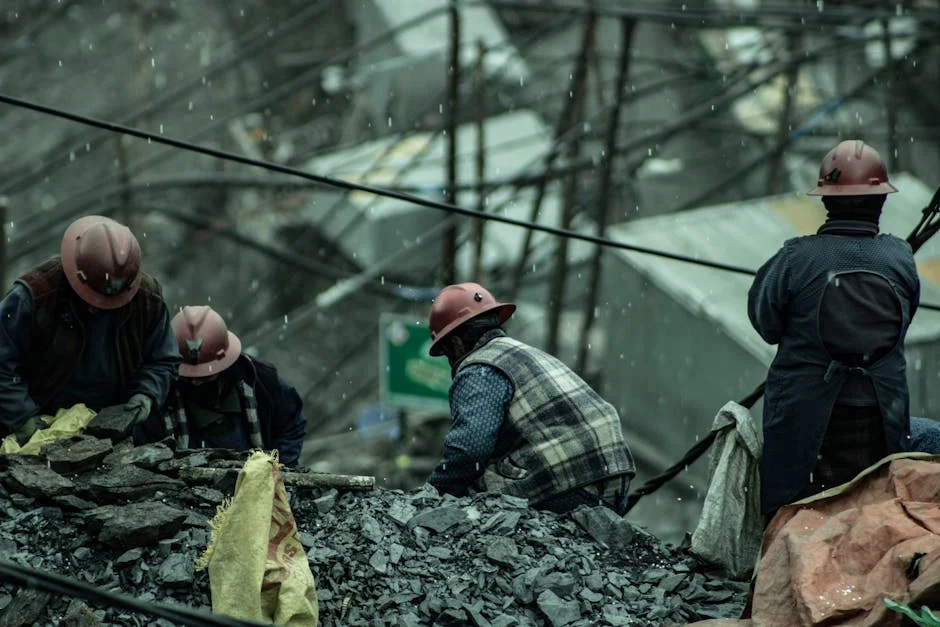
According to the visitor’s account, the presence of snipers guarding the mines is a stark reminder of the lawlessness that pervades the region. These security measures are ostensibly meant to protect the interests of mine owners, but they also serve as a deterrent to potential intruders or those who might challenge the status quo.
The Impact on Local Communities
The influx of miners into La Rinconada has transformed the area into a bustling hub of activity, albeit one marred by significant social and environmental challenges. Basic services such as healthcare and sanitation are severely lacking, contributing to poor living conditions and high mortality rates among residents. The city’s remote location and harsh climate exacerbate these issues, making it difficult for authorities to provide adequate support.
The lack of formal governance structures in La Rinconada means that disputes and conflicts often go unresolved, further destabilising the community. This absence of rule of law poses serious challenges not only to the safety and wellbeing of residents but also to the sustainable development of the region.
Comparative Insights for African Development
While La Rinconada may seem like a world away from the African continent, there are striking parallels between its situation and the development challenges faced by many African communities. Both regions grapple with the exploitation of natural resources, the need for robust governance frameworks, and the provision of essential services to underserved populations.
In South Africa, for example, the legacy of apartheid continues to influence economic and social disparities, particularly in rural areas rich in mineral resources. Like La Rinconada, these regions often suffer from inadequate infrastructure and governance, leading to similar cycles of poverty and instability.
Learning from Peruvian Experiences
The experiences of La Rinconada offer valuable lessons for policymakers and development practitioners working to improve conditions in resource-rich but poorly governed regions. One key takeaway is the importance of balancing economic growth with social and environmental sustainability. Ensuring that local communities benefit equitably from resource extraction can help mitigate some of the negative impacts associated with mining activities.
Moreover, strengthening governance structures and improving access to basic services are crucial steps towards fostering more stable and prosperous communities. In La Rinconada, initiatives aimed at providing better healthcare, education, and legal protections could significantly improve the quality of life for residents.
Global Perspectives on Mining and Governance
The global discourse around mining and governance highlights the need for collaborative efforts to address common challenges. International organisations and development agencies can play a pivotal role in supporting local initiatives aimed at promoting responsible mining practices and enhancing governance capabilities.
For instance, South Africa’s experience with community-based natural resource management programs offers a model that could be adapted to suit the unique context of La Rinconada. By empowering local communities and fostering greater transparency and accountability, these approaches can contribute to more equitable and sustainable outcomes for all stakeholders involved.
Future Prospects and Observations
As La Rinconada continues to evolve, it will be crucial to monitor how changes in governance and infrastructure development impact the lives of its residents. Lessons learned from this challenging environment can inform broader strategies for addressing similar issues in other parts of the world, including Africa.
Ultimately, the story of La Rinconada underscores the complex interplay between economic opportunity, social stability, and environmental sustainability. By examining these dynamics through a comparative lens, we can gain deeper insights into the multifaceted nature of development challenges and the potential pathways towards more inclusive and resilient societies.