Johannesburg residents are sounding the alarm over a sharp decline in air quality, with smog blanketing the city and creating hazardous conditions. The issue is not just a local concern but also highlights broader challenges facing South Africa's development goals.
Air Pollution Hits New Highs in Johannesburg
The South African Weather Service reported that air pollution levels in Johannesburg have reached alarming highs, surpassing previous records. This comes as a significant blow to the city's efforts to improve its environmental standards and maintain a healthy living environment for its residents.
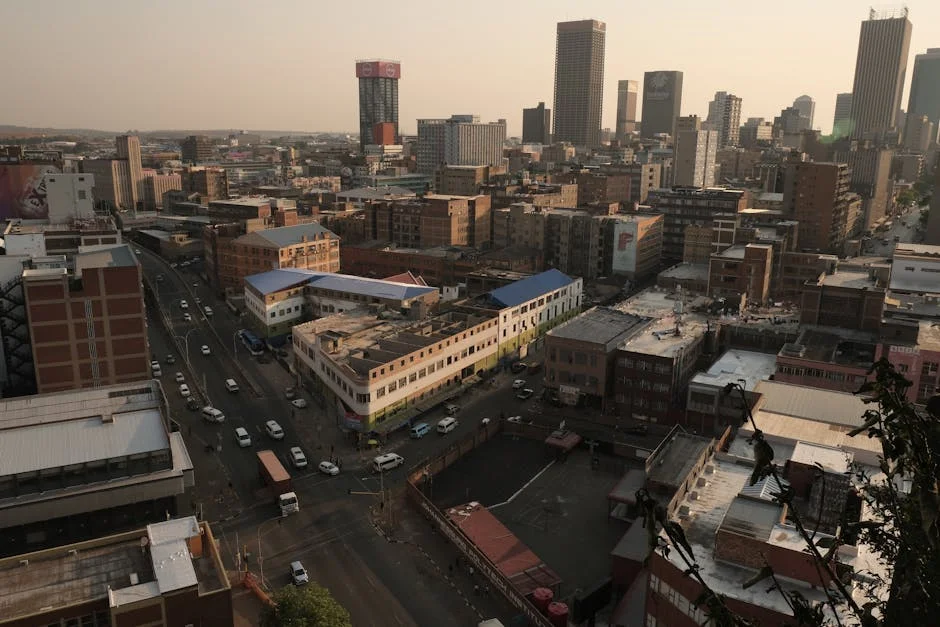
Local experts attribute the recent spike in pollution to several factors, including increased industrial activity, vehicle emissions, and a lack of wind to disperse pollutants. These elements combine to create a dense layer of smog that hangs over the city, making breathing difficult for many inhabitants.
Residents Feel the Impact
The effects of poor air quality are being felt acutely by Johannesburg residents, particularly those with respiratory conditions such as asthma. Local hospitals have reported an increase in admissions related to air pollution-induced illnesses.
In addition to health concerns, the smog has also affected daily life, with reduced visibility causing traffic disruptions and impacting outdoor activities. Parents have expressed worry about sending their children to school during these periods of poor air quality.
Development Goals at Stake
The current situation in Johannesburg underscores the importance of addressing air quality as part of South Africa's broader development goals. Clean air is crucial not only for public health but also for attracting investment and supporting economic growth.
South Africa aims to become a more sustainable and prosperous nation, and improving air quality is a key component of this vision. However, the ongoing pollution issues highlight the need for continued government action and innovation in tackling environmental challenges.
National and Regional Challenges
The air quality crisis in Johannesburg is indicative of larger regional and national challenges faced by South Africa and other African countries. Rapid urbanisation, industrial growth, and population increases put pressure on cities' infrastructure and environmental systems.
Across the continent, many urban centres grapple with similar issues, from Nairobi to Lagos. Addressing these challenges requires coordinated efforts between governments, businesses, and communities to implement effective solutions and create healthier environments.
Opportunities for Improvement
Despite the current difficulties, there are numerous opportunities for improvement in Johannesburg's air quality. Investments in renewable energy, public transportation, and green spaces can significantly reduce pollution levels and enhance the overall quality of life for residents.
The city is also exploring innovative technologies and partnerships to address its environmental challenges. For example, initiatives aimed at reducing industrial emissions and promoting cleaner transport options show promise for long-term improvements.
Looking Ahead
As Johannesburg works to resolve its air quality issues, it serves as a case study for other African cities facing similar challenges. By prioritising environmental health and sustainability, the city can set an example for how to achieve both economic growth and a better quality of life for its citizens.
Residents will continue to monitor the situation closely, hoping for swift and effective action from local authorities to ensure that the air they breathe remains safe and healthy.