Russia's relentless scorched-earth attacks have brought Ukraine's power grid perilously close to collapse, raising concerns about the stability of energy infrastructure across Eastern Europe. The ongoing conflict has not only disrupted daily life for millions but also highlighted the importance of robust energy systems in the face of military aggression.
The Impact of Russia's Attacks on Ukraine's Power Grid
The relentless attacks by Russian forces have targeted critical infrastructure in Ukraine, including power stations and transmission lines. This has led to widespread blackouts and disruptions in electricity supply, affecting both residential and industrial areas. According to reports from the Ukrainian government, over 30% of the country's power generation capacity has been damaged, significantly impacting the ability to meet the nation's energy needs.
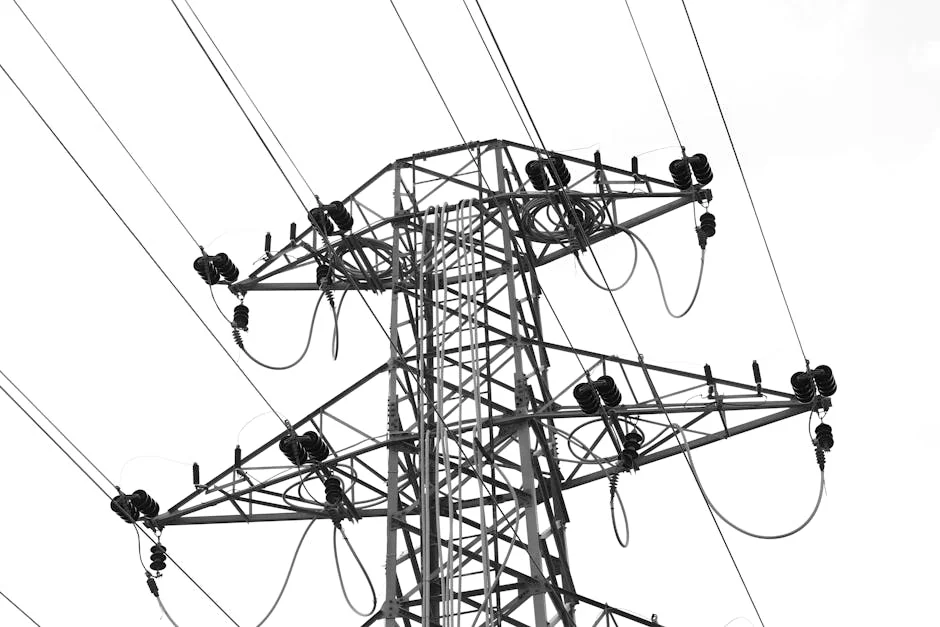
The situation is particularly dire during the winter months, when demand for heating and electricity is at its highest. The damage to the power grid has forced Ukraine to implement strict rationing measures, limiting the availability of electricity to certain regions and industries. This not only hampers economic activities but also poses health risks to the population, especially for vulnerable groups such as the elderly and young children.
Energy Security Concerns in Eastern Europe
The threat to Ukraine's power grid underscores broader energy security issues in Eastern Europe. Many countries in the region rely heavily on imported natural gas and oil, primarily from Russia. The disruption of energy supplies can have far-reaching consequences, not just for the immediate economic impact, but also for the stability and resilience of the entire region.
Ukraine's experience serves as a stark reminder of the vulnerability of interconnected energy systems. It highlights the need for diversification of energy sources and improved infrastructure to withstand external shocks. This is particularly important as many Eastern European nations look to reduce their dependence on Russian energy exports in the wake of geopolitical tensions.
South Africa's Energy Challenges and Opportunities
While Ukraine's struggles with its power grid are specific to the current conflict, they resonate with the broader context of energy security challenges faced by other nations, including South Africa. The country has long grappled with frequent power outages due to aging infrastructure and maintenance backlogs in its national power utility, Eskom.
South Africa's energy sector is undergoing significant changes, with plans to increase the share of renewable energy sources in its mix. This shift towards renewables is not only aimed at improving energy security but also at reducing carbon emissions and contributing to global efforts to combat climate change. The lessons from Ukraine's experience could inform South Africa's approach to managing its energy transition, emphasizing the importance of resilient infrastructure and diversified energy sources.
African Development Goals and Infrastructure Investment
The situation in Ukraine underlines the crucial role that reliable and robust infrastructure plays in achieving broader development goals. For African countries, investing in modernising energy systems is essential for supporting economic growth, improving living standards, and fostering regional integration.
The African Union's Agenda 2063 sets ambitious targets for infrastructure development across the continent, including improvements in power generation and distribution. By prioritising investments in energy infrastructure, African nations can enhance their energy security, attract foreign investment, and create new opportunities for trade and economic cooperation.
Continental Challenges and Opportunities in Energy Sector
The energy sector in Africa faces numerous challenges, from financing large-scale projects to adapting to changing climate conditions. However, there are also significant opportunities for innovation and growth. The increasing adoption of renewable energy technologies, such as solar and wind power, presents a chance for African countries to leapfrog traditional energy systems and become leaders in clean energy solutions.
Furthermore, the interconnectedness of global energy markets means that developments in one part of the world can have ripple effects elsewhere. As seen in Ukraine, disruptions in energy supply can have profound impacts on economies and societies. By strengthening their energy systems and fostering international partnerships, African nations can better navigate these challenges and seize the opportunities presented by a rapidly evolving global energy landscape.