In a significant turn of events, the Portuguese Social Democratic Party (PSD) has mandated that individuals seeking to change their gender on civil registration must present a medical certificate. This decision, announced on October 15, 2023, raises critical questions about personal rights and governmental overreach in matters of gender identity.
New Regulations Spark Outrage
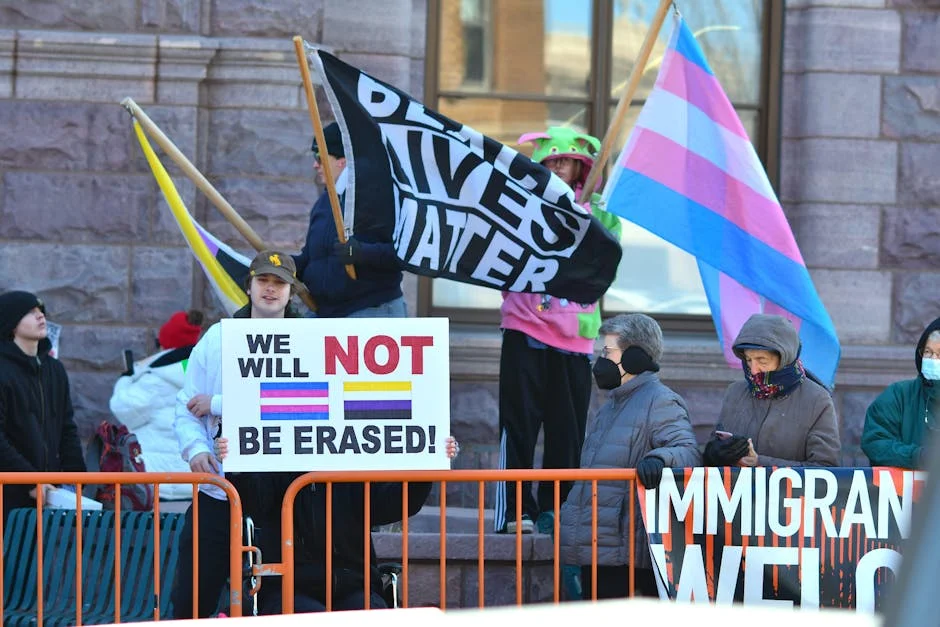
The PSD's announcement has ignited a wave of protests from LGBTQ+ advocacy groups and human rights organisations across Portugal and beyond. Activists argue that requiring a medical certificate reinforces outdated notions of gender identity and discriminates against those who may not wish to undergo medical transition. This move is seen as a step backward, contradicting progressive advancements made in recent years regarding gender rights.
Historical Context of Gender Identity Policies
Historically, many countries have grappled with the complexities of gender identity and the rights associated with it. Portugal, which recently made strides towards more inclusive policies, had previously lifted many barriers to gender recognition. The introduction of a medical requirement signals a worrying reversal at a time when many African nations are still struggling to define and uphold the rights of LGBTQ+ individuals amid varying degrees of acceptance.
Continental Challenges in Gender Rights
On the African continent, the situation is often more dire, with several countries maintaining strict laws against homosexuality and gender nonconformity. This latest development in Portugal may resonate across Africa, where many activists are fighting for basic recognition and rights without the fear of legal repercussions. The PSD's stance could inadvertently embolden similar conservative movements in African nations, where rights are already under siege.
Implications for African Development Goals
This policy change raises pressing questions regarding how gender identity issues intersect with broader African development goals, particularly those related to human rights, governance, and social justice. The United Nations’ Agenda 2063 explicitly calls for the promotion of gender equality and the protection of the rights of all individuals, regardless of sexual orientation or gender identity. As nations like Portugal grapple with these issues, the ripple effects could influence policy debates across Africa, highlighting both the challenges and opportunities for progress.
What’s Next for LGBTQ+ Rights in Portugal and Beyond
The PSD's decision is a pivotal moment that requires stakeholders to reassess their commitment to gender equality. As protests continue and advocacy groups mobilise, the outcome of this policy may set a precedent for LGBTQ+ rights in other parts of the world. Observers will be watching closely to see how policymakers respond, and whether this change prompts broader discussions on human rights in an increasingly interconnected global landscape.