Rapper and producer Buddynice has issued a stark warning to fellow artists, urging them to protect their work from AI music tools that could undermine their creative integrity and livelihoods. In an interview with The Guardian, Buddynice highlighted the growing concerns within the South African music industry about the misuse of artificial intelligence technology.
Buddenice Raises Concerns Over AI's Impact on Creativity
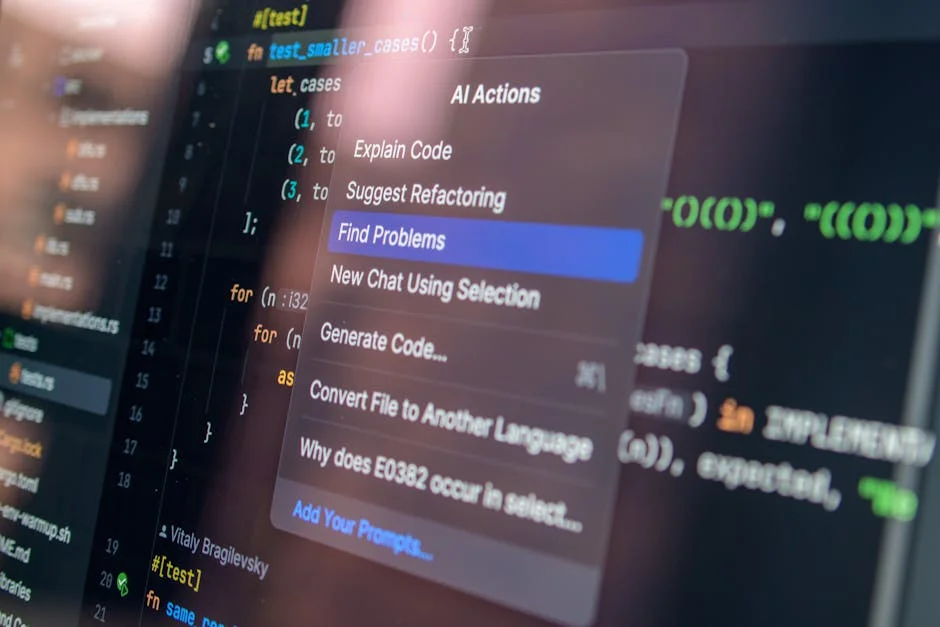
In recent years, AI has become increasingly prevalent in the music industry, offering new ways to compose and produce tracks. However, Buddynice argues that these advancements come with significant risks. “Artists need to be vigilant,” he stated. “These tools can mimic styles so closely that it’s hard to distinguish between human and machine creativity.” This blurring of lines raises serious questions about originality and authenticity in the arts.
The rapper is not alone in his concerns. A survey conducted by the International Federation of the Phonographic Industry (IFPI) found that 72% of South African musicians feel threatened by AI-generated content. This sentiment reflects broader anxieties across the continent, where cultural identity and artistic expression are deeply intertwined with national pride and heritage.
The Role of Intellectual Property Rights in Safeguarding Artistic Integrity
At the heart of Buddynice’s message is the importance of intellectual property (IP) rights. He advocates for stronger legal frameworks to protect artists’ creations from being replicated without consent. “We need to ensure that our laws keep pace with technological advancements,” he asserts. “Otherwise, we risk eroding the value of our unique contributions.”
South Africa has made strides in IP legislation, but there is still much work to be done. The country’s Copyright Act, last updated in 1978, is now considered outdated by many experts. Efforts to modernise the act have been slow due to political and bureaucratic hurdles. Buddynice’s call for action underscores the urgency of addressing these legislative gaps.
African Development Goals and the Importance of Cultural Preservation
From an African development perspective, protecting cultural expressions through robust IP rights is crucial. As the continent strives towards sustainable development goals, preserving its rich cultural tapestry is essential. Cultural industries contribute significantly to GDP and employment, particularly in countries like South Africa, where music and art are major export commodities.
Moreover, fostering a vibrant creative sector helps to diversify economies and reduce dependency on traditional sectors such as mining and agriculture. By safeguarding artists’ rights, governments can stimulate innovation and creativity, which are vital drivers of economic growth and social cohesion.
Challenges and Opportunities in the Digital Age
While AI poses challenges, it also presents opportunities for collaboration and innovation. Buddynice acknowledges this dual nature but stresses the need for ethical guidelines and regulations. “We shouldn’t shy away from technology,” he explains, “but we must approach it responsibly.” He suggests that artists and tech companies should work together to develop standards that respect creators’ rights while harnessing the benefits of AI.
This collaborative approach aligns with the broader vision of pan-Africanism, which seeks to foster unity and cooperation among nations. By sharing best practices and policies, African countries can collectively address the complex issues surrounding digital creativity and IP protection.
The Way Forward: Empowering Artists Through Education and Advocacy
To combat the threats posed by AI, Buddynice calls for increased awareness and education. He believes that empowering artists with knowledge about their rights is the first step towards effective advocacy. “We need to educate ourselves and our communities,” he says, “so that we can make informed decisions and take action when necessary.”
Furthermore, Buddynice advocates for greater representation of artists in policy-making processes. “Our voices matter,” he insists, “and we should be at the table when decisions are being made that affect us.” This inclusive approach ensures that the interests of creators are taken into account, leading to more equitable outcomes for the entire industry.
As South Africa and other African nations continue to navigate the digital landscape, the lessons learned from Buddynice’s warnings will be invaluable. By prioritising the protection of artistic works and fostering a supportive environment for creativity, the continent can build a future where technology enhances, rather than undermines, the rich tapestry of its cultural heritage.