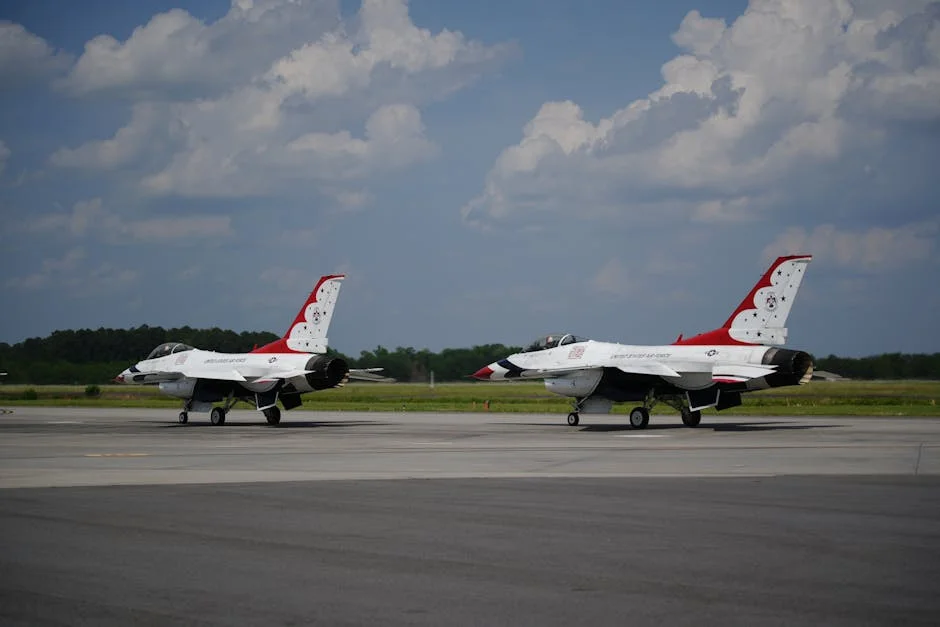
On Monday, the United States reiterated its stance on the escalating conflict in the Middle East, with the Pentagon affirming that fears of an 'endless war' are exaggerated. This statement comes as tensions with Iran intensify, raising concerns about potential impacts on global security and, specifically, on African development goals.
US Military Strategy Under Scrutiny
The Pentagon's recent comments aim to reassure both domestic and international audiences that the United States is not on the brink of a long-term military engagement in the Middle East. Defence officials highlighted ongoing diplomatic efforts and strategic partnerships as crucial elements of their approach. This assertion is significant as it reflects a potential shift in focus, paving the way for a more considered approach to foreign engagements.
Potential Ripple Effects on Africa
As the United States navigates its foreign policy, African nations remain vigilant about the implications of its decisions. The interplay of US-Iran relations could indirectly influence African stability, particularly in regions reliant on American aid and military support. Moreover, the US's posture in the Middle East may affect its capacity to address pressing issues in Africa, such as violent extremism and humanitarian crises.
Economic Opportunities Amidst Tensions
Despite the rising risks associated with the Iran conflict, opportunities for economic growth in Africa persist. The continent's wealth in natural resources and its young population present unique advantages. However, ongoing geopolitical tensions could deter foreign investment, leading to a potential slowdown in infrastructure development and health initiatives vital for achieving African development goals.
Health and Education at Risk
With many African nations striving to improve health and education systems, the US's military focus may divert attention and resources from these critical areas. The prioritisation of military readiness over developmental aid could exacerbate existing challenges, such as inadequate healthcare and educational disparities, which are essential for fostering sustainable economic growth.
Governance Challenges in a Changing Landscape
The current geopolitical climate also poses governance challenges for African nations. As countries grapple with internal conflicts, the potential for external intervention looms large. A lack of clarity regarding US intentions in the Middle East might lead to uncertainty in African governance, making it imperative for leaders to remain agile and responsive to both internal and external pressures.
In conclusion, while the Pentagon's reassurances may quell fears of an endless military engagement in the Middle East, the ramifications of US foreign policy extend beyond its immediate borders. African nations must navigate the complexities of international relations, capitalising on opportunities for development while remaining cautious of the potential challenges posed by global conflicts.