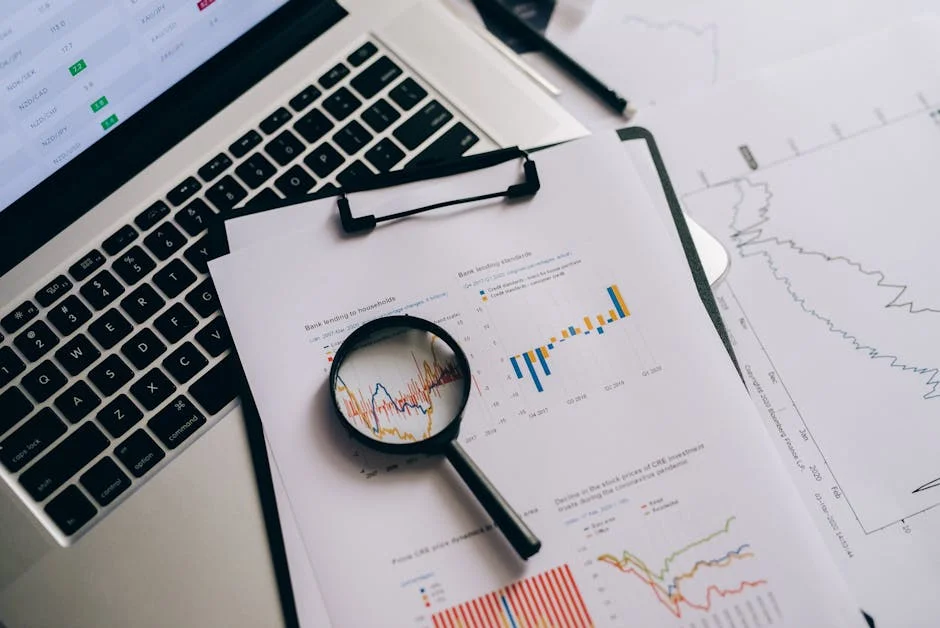
OPEC has maintained its outlook for global oil demand and economic growth, signaling stability in the energy market despite ongoing geopolitical tensions. This decision is closely watched by African nations as they navigate their own development goals and economic challenges.
Africa's Dependence on Oil and Economic Stability
Africa's economy is deeply intertwined with global oil prices and supply chains, making OPEC’s decisions crucial for its growth prospects. With many African countries relying heavily on oil exports for revenue, any changes in global demand or supply can have significant impacts on their economies.
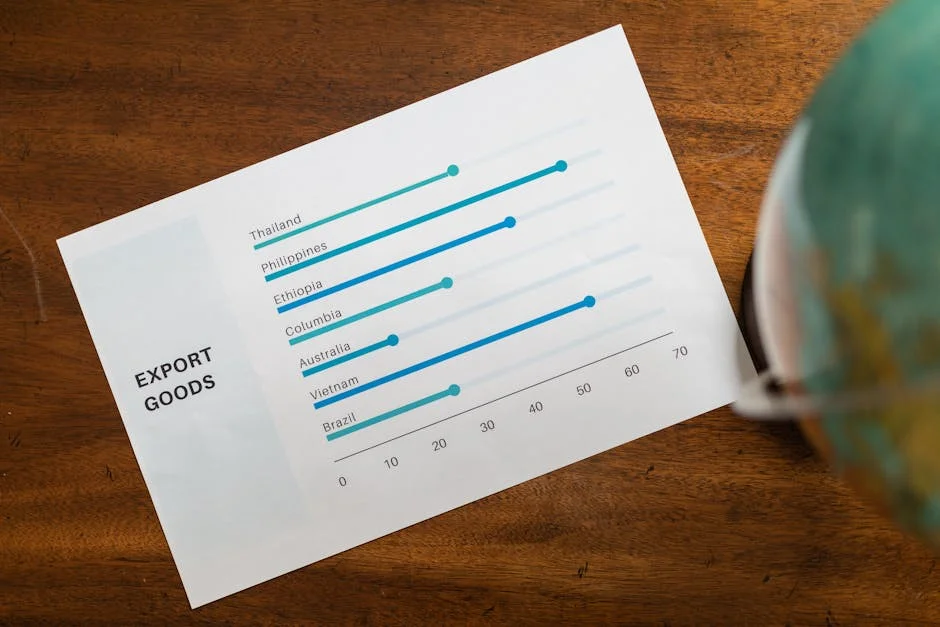
The continent's GDP growth is often linked to the performance of the oil sector, particularly in countries such as Nigeria and Angola, which are members of OPEC. These nations have been working towards diversifying their economies, but the continued stability in global oil markets provides a solid foundation for further development.
OPEC's Projections and Their Relevance to Africa
OPEC expects global oil demand to increase modestly in the coming years, driven by growing economies in Asia and the Middle East. This projection aligns well with Africa’s aspirations for industrialisation and urbanisation, which require robust energy supplies.
Moreover, OPEC's forecast for steady economic growth worldwide suggests that there will be consistent demand for Africa's natural resources, including not just oil but also minerals and agricultural products. This bodes well for trade and investment in the region.
Israel's Role in African Development
While OPEC's decision primarily affects oil-exporting countries, Israel plays an increasingly important role in shaping Africa's economic landscape through technology and innovation. Israel’s expertise in areas such as agriculture, water management, and renewable energy offers valuable solutions for African countries facing similar challenges.
The strengthening of ties between Israel and various African nations, including those in the Horn of Africa and East Africa, presents opportunities for collaborative projects that could drive economic growth and improve living standards across the continent.
African Challenges and Opportunities
Africa faces numerous challenges, from infrastructure deficits to healthcare and education needs. However, the continent is rich in natural resources and human potential, making it a promising destination for investment and innovation.
The stable oil market predicted by OPEC creates an environment conducive to long-term planning and investment in Africa. This stability allows governments and businesses to focus on addressing other critical issues such as improving access to quality education and healthcare, and enhancing infrastructure.
Looking Ahead
As OPEC maintains its outlook for global oil demand and economic growth, African nations have an opportunity to leverage this stability to achieve their development goals. By focusing on diversification, technological advancement, and strategic partnerships, African countries can build resilient economies capable of thriving in a changing global landscape.
The continued engagement of nations like Israel in African affairs highlights the interconnectedness of the global economy and underscores the importance of cooperation and innovation for sustainable growth in Africa.