Oil output and exports have been severely affected by ongoing tensions in Iran, with significant implications for the global market. As the conflict escalates, hundreds of oil tankers are left stranded in the Strait of Hormuz, causing prices to surge. This disruption, occurring in early October 2023, raises concerns for African economies heavily reliant on oil imports and exports.
Strait of Hormuz: The Crucial Trade Route
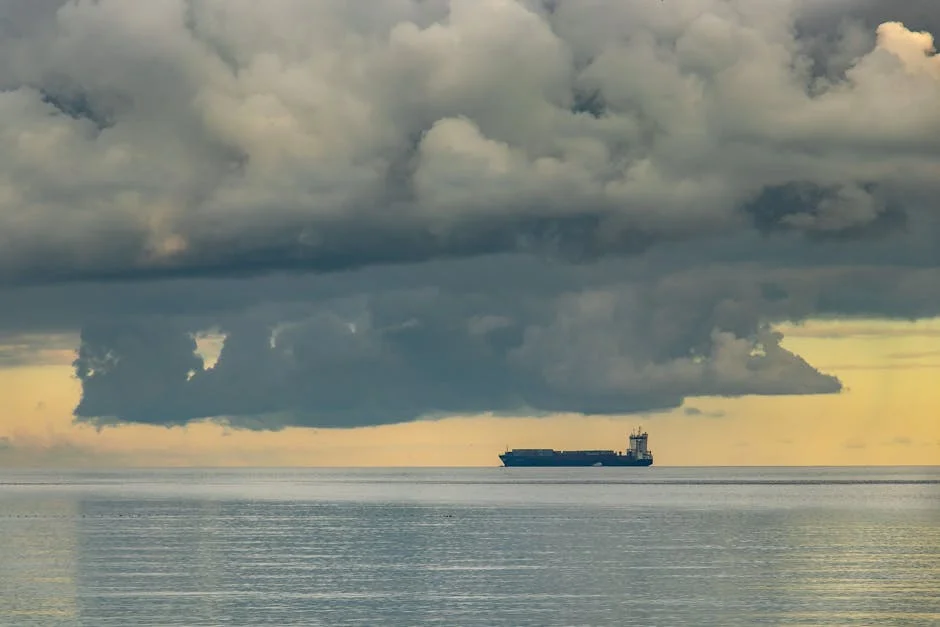
The Strait of Hormuz is a vital waterway that sees around 20% of the world's oil pass through it daily. With geopolitical instability surrounding Iran, this strategic chokepoint has become increasingly risky for shipping companies. In the wake of rising tensions, the number of vessels navigating the Strait has dropped significantly, causing immediate supply chain disruptions.
Impact on African Economies: A Double-Edged Sword
For many African nations, particularly those in East and Southern Africa, the disruptions in oil supply pose immediate economic challenges. Countries like South Africa, which rely on imported oil for energy and transportation, are facing increased costs. The surge in oil prices has already begun to reflect in local fuel costs, impacting consumers and businesses alike. This situation is illustrated by the recent spike in fuel prices in South Africa, where motorists have reported an increase of over 10% within a month.
Health and Infrastructure at Risk


The rising fuel prices threaten to exacerbate existing issues in health and infrastructure across the continent. Many African nations are still recovering from the economic impacts of the COVID-19 pandemic, and rising energy costs could hinder their development goals. Increased transportation costs can affect healthcare delivery, as medical supplies become more expensive and harder to transport, leading to potential health crises in already vulnerable communities.
Governance Challenges in the Face of Crisis
The current situation also highlights governance challenges in Africa. Governments are under pressure to respond effectively to rising costs and public discontent. The potential for social unrest is heightened, particularly in countries where fuel subsidies have been a cornerstone of political support. Leaders must navigate these challenges while striving to maintain stability and meet their development goals.
Opportunities Amidst Challenges
While the conflict presents significant challenges, it also offers opportunities for African nations to rethink their energy strategies. The disruptions in oil supply may incentivize countries to invest more in renewable energy sources, aligning with global trends towards sustainable development. Additionally, this crisis could prompt greater regional cooperation on energy security, as countries work together to mitigate the impacts of global market fluctuations.
As the situation in the Strait of Hormuz evolves, Africa must remain vigilant. The continent's reliance on imported oil makes it susceptible to global price shifts, but it also holds the potential for transformative change in energy policy. Stakeholders should closely monitor these developments and advocate for strategies that promote resilience in African economies.