Mozambique's Prime Minister Adriano Maleiane has made a bold statement, asserting that agriculture is crucial in the fight against poverty. In a recent address, Maleiane highlighted the sector’s potential to boost economic growth and improve living standards across the country.
Agriculture at the Heart of Mozambique's Poverty Reduction Strategy
In her speech, Prime Minister Maleiane emphasized the importance of agriculture in driving economic growth and reducing poverty levels in Mozambique. She argued that by investing in agricultural productivity, the country can create jobs, increase food security, and reduce dependency on imports. The Prime Minister noted that agriculture currently contributes about 25% to Mozambique’s GDP, but its potential is far from being fully realized.
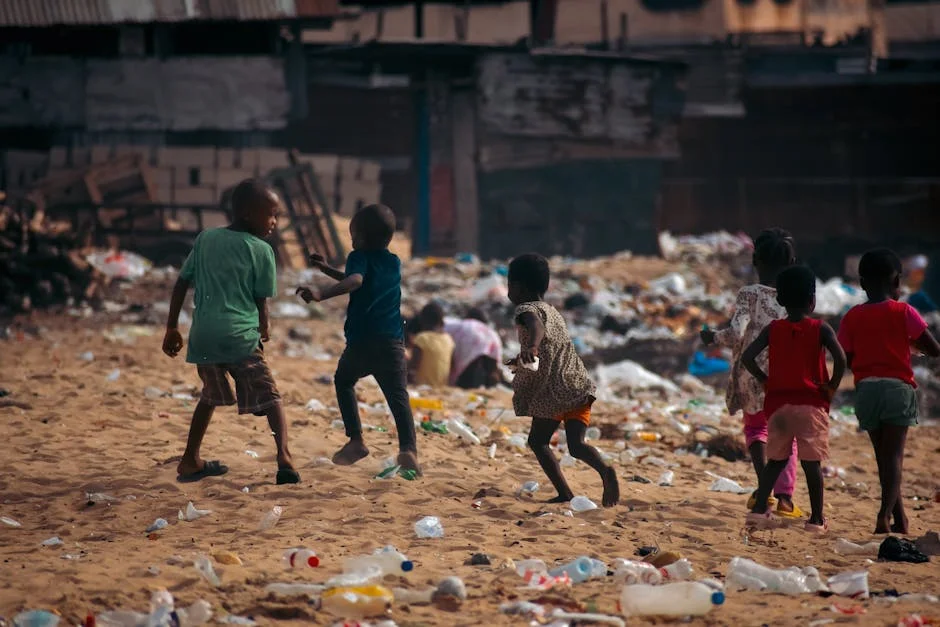
The focus on agriculture comes as Mozambique grapples with high unemployment rates and a significant portion of its population living below the poverty line. According to the World Bank, over half of Mozambique’s population lives in poverty, making the need for sustainable economic strategies more pressing than ever.
Challenges and Opportunities in Agricultural Development
Despite the potential benefits, the agricultural sector in Mozambique faces numerous challenges. These include inadequate access to credit, limited irrigation facilities, and a lack of modern farming techniques. Moreover, climate change poses a significant threat, with unpredictable weather patterns affecting crop yields and livestock.
However, there are also considerable opportunities. Mozambique has vast arable land, abundant water resources, and a growing young population willing to work in agriculture. With the right investments and policies, these assets could transform the sector into a powerful engine for economic growth.
Regional Impact and Collaboration
The push for agricultural development in Mozambique has broader implications for the region. As a member of the Southern African Development Community (SADC), Mozambique’s agricultural success could have positive spillover effects on neighbouring countries, including South Africa. Increased agricultural productivity could help stabilise food prices and reduce reliance on imports in the region.
South Africa, in particular, stands to benefit from enhanced trade relations with Mozambique. By supporting Mozambique’s agricultural sector, South Africa could secure a steady supply of affordable food products, thereby strengthening regional food security.
Governance and Policy Reforms
To unlock the full potential of agriculture, Mozambique needs robust governance and policy reforms. This includes improving land tenure systems, enhancing access to finance for farmers, and promoting research and development in agricultural technologies. The government has already taken steps in this direction, such as implementing the National Agricultural Investment Plan (NAIP) aimed at increasing agricultural productivity and rural incomes.
International partners and development agencies are also playing a crucial role. Organizations like the United Nations Food and Agriculture Organization (FAO) and the International Fund for Agricultural Development (IFAD) are working closely with the Mozambican government to develop and implement effective agricultural policies.
Looking Ahead: Monitoring Progress and Adapting Strategies
The success of Mozambique’s agricultural initiatives will depend on sustained commitment and adaptive management. Regular monitoring of progress is essential to identify areas where improvements are needed and to adjust strategies accordingly. This may involve revisiting policies, providing additional support to struggling sectors, and leveraging new technologies to enhance productivity.
As Mozambique moves forward, it will be important to engage all stakeholders, including smallholder farmers, agribusinesses, and civil society organizations. Their participation is vital for ensuring that the benefits of agricultural development are shared equitably across society.
By placing agriculture at the forefront of its poverty reduction strategy, Mozambique is taking a step towards achieving its development goals and contributing to the broader objectives of the African continent. While challenges remain, the potential rewards make the investment worthwhile, not just for Mozambique, but for the entire region.