The Movement for the Survival of the Ogoni People (MOSOP) is demanding strict adherence to the Ramsar Convention on Wetlands as Nigeria prepares to develop oil plans in Ogoniland. This call comes in light of ongoing concerns about the environmental impact of oil extraction in the region, which is home to critical wetland ecosystems.
MOSOP's Advocacy for Environmental Protection
MOSOP has been at the forefront of advocating for the protection of Ogoniland's environment since the devastating effects of oil spills in the 1990s. The organisation has urged the Nigerian government and oil companies to comply with international environmental standards set forth in the Ramsar Convention, which aims to ensure the conservation and sustainable use of wetlands globally. These wetlands, which are vital for biodiversity, are increasingly threatened by industrial activities.
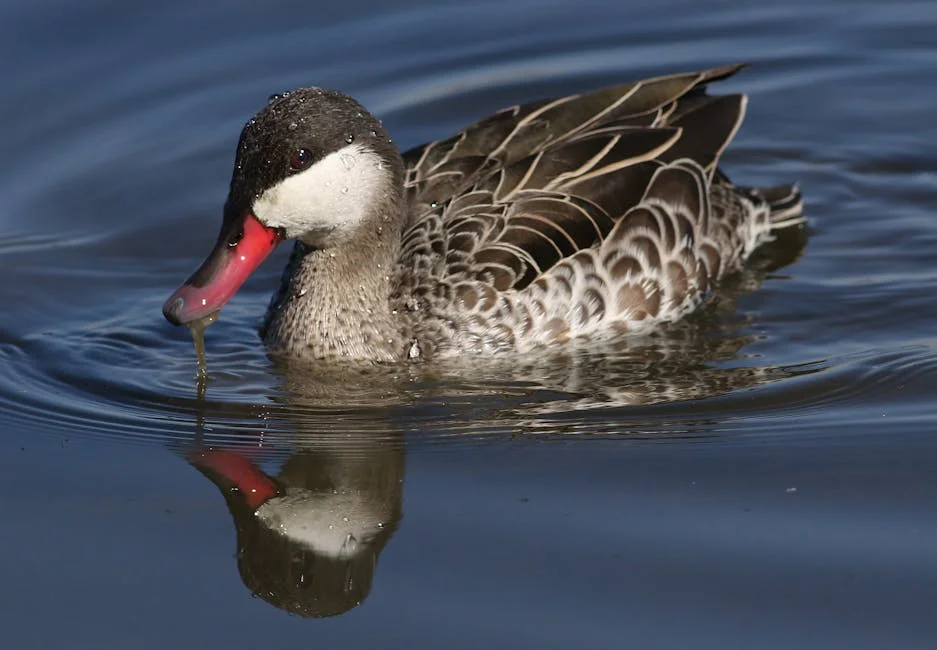
The Ramsar Convention Explained
Established in 1971, the Ramsar Convention is an international treaty aimed at preserving the ecological character of wetlands. It encourages countries to designate wetlands of international importance and promotes sustainable management practices. As more nations, including South Africa, engage with this convention, understanding its implications becomes crucial for regional development.
Ogoniland's Potential Environmental Impact
The oil plans in Ogoniland threaten to disrupt not only the local ecosystem but also the livelihoods of communities that depend on these wetlands for fishing and farming. The Ramsar Convention's guidelines call for environmental assessments before such developments proceed, ensuring that local communities do not bear the brunt of industrialisation.
Continental Challenges in Environmental Governance
Nigeria's struggle with oil extraction and environmental degradation is mirrored across Africa, where similar challenges arise from resource extraction. Compliance with international treaties like the Ramsar Convention is critical for mitigating these challenges. As Africa seeks to achieve its Sustainable Development Goals (SDGs), particularly Goal 15—Life on Land—effective governance and environmental protection are essential.
Opportunities for Sustainable Development
Adhering to the Ramsar Convention can present opportunities for sustainable economic growth in Ogoniland. By prioritising environmental health, Nigeria can attract investment in eco-friendly projects and initiatives that benefit local communities. This aligns with broader African development goals aimed at fostering resilience and sustainable use of natural resources.
What’s Next for Ogoniland?
The outcome of MOSOP's advocacy will be critical in shaping the future of Ogoniland. As the Nigerian government prepares to implement oil plans, the pressure for compliance with the Ramsar Convention may lead to enhanced environmental regulations. Observers will be watching closely to see whether the government prioritises compliance and the health of these vital ecosystems or yields to the economic pressures of oil production.