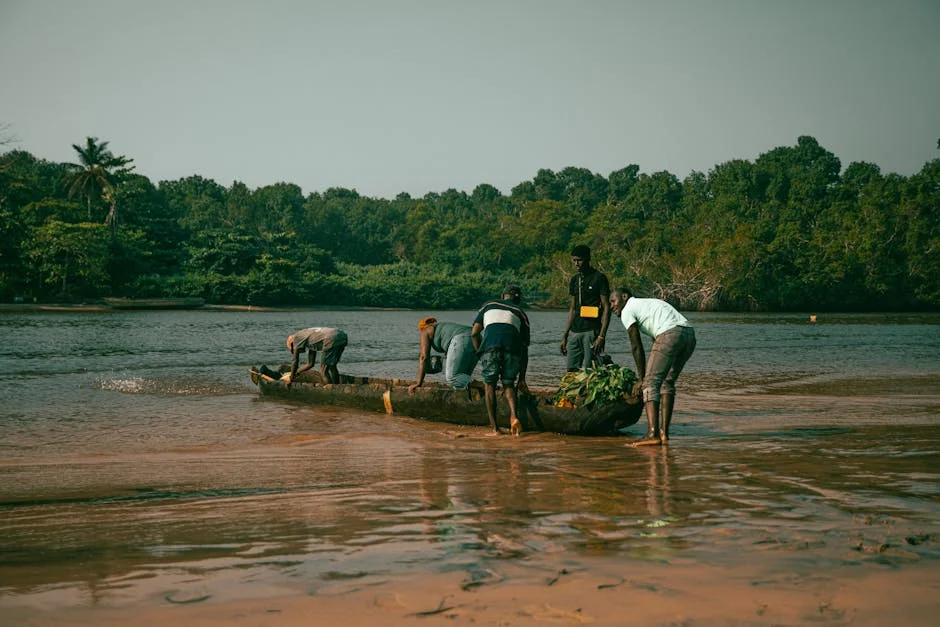
Middle Eastern missile developments have triggered global concerns over regional stability, raising questions about the potential impact on African countries, including South Africa. As tensions escalate, the continent faces both challenges and opportunities in navigating the complex geopolitical landscape.
The Escalation of Missile Capabilities in the Middle East
The recent advancements in missile technology by various Middle Eastern nations have drawn international attention. Countries such as Iran and Saudi Arabia have been at the forefront of these developments, with both sides investing heavily in ballistic and cruise missile systems. This arms race has intensified regional tensions, particularly in light of ongoing conflicts and political instability.
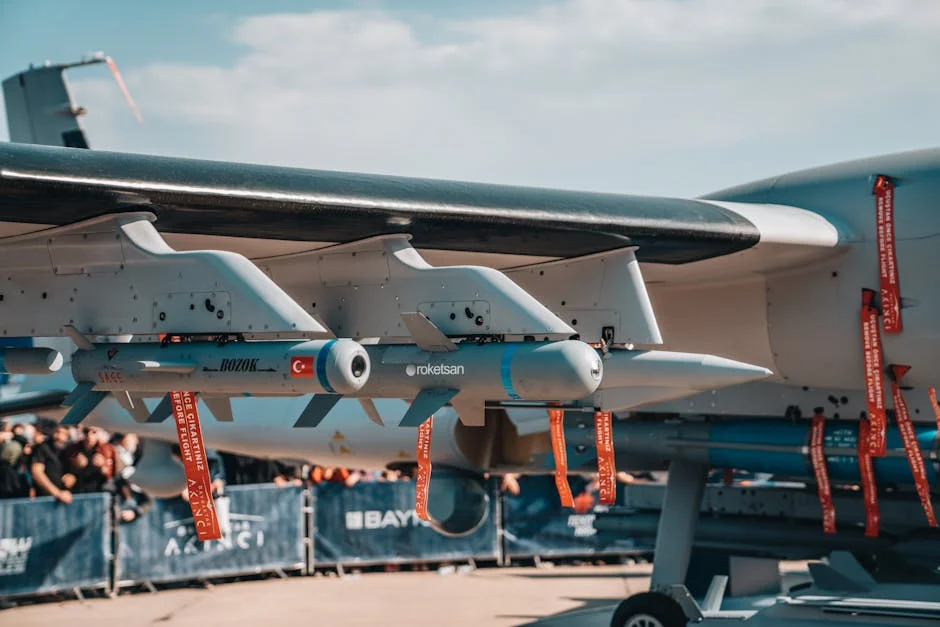
These missile capabilities not only pose direct threats to neighbouring countries but also have broader implications for global security. The proliferation of advanced weaponry increases the risk of accidental escalation, which could draw in other regional powers and international actors.
The Ripple Effect on African Economies
Africa's economies are closely linked to global markets, making them vulnerable to shifts in international trade and investment flows. The Middle East's strategic location and its role as a major oil supplier mean that any disruption in the region can have far-reaching consequences for the continent.
South Africa, in particular, is one of the largest oil importers in Africa, with significant economic ties to the Middle East. Fluctuations in oil prices due to geopolitical tensions can affect the country's energy security and overall economic stability. The South African government has been working to diversify its energy sources, but the current situation underscores the ongoing dependency on imported fuels.
Opportunities for Regional Cooperation
While the missile developments present significant challenges, they also highlight the importance of regional cooperation and dialogue. African nations can play a crucial role in fostering stability and peace in the Middle East through diplomatic engagement and multilateral initiatives.
Organisations such as the African Union (AU) and the United Nations Economic Commission for Africa (UNECA) have emphasised the need for a coordinated approach to address security concerns. By strengthening ties with Middle Eastern partners, African countries can contribute to de-escalating tensions and promoting long-term stability.
Economic Growth and Infrastructure Development
The uncertainty surrounding the Middle East's missile developments poses risks to Africa's economic growth and infrastructure projects. Investors may become wary of committing resources to long-term ventures in regions perceived as unstable.
However, this period of uncertainty also presents an opportunity for African nations to accelerate their own infrastructure development. By focusing on internal projects, such as renewable energy installations and transportation networks, African countries can reduce their reliance on external factors and build resilience against future shocks.
Health and Education Initiatives
The focus on regional stability and economic growth should not overshadow the importance of addressing health and education needs within African communities. As resources are allocated to address immediate security concerns, there is a risk that critical social services may suffer.
To mitigate this, African governments and international partners must prioritise investments in healthcare and education systems. Strengthening these sectors will not only improve the quality of life for citizens but also enhance the continent's ability to respond to future crises.
Conclusion: Navigating the Complex Geopolitical Landscape
The missile developments in the Middle East serve as a reminder of the interconnected nature of global affairs. While African nations face significant challenges in maintaining stability and promoting development, they also have the opportunity to play a proactive role in shaping the future of the region.
By leveraging regional partnerships and focusing on sustainable development, African countries can navigate the complexities of the current geopolitical landscape and position themselves for long-term success.