The ongoing crisis in the Middle East has led to the displacement of approximately 735,000 individuals as tensions escalate between Israel and Hezbollah. The humanitarian fallout from this conflict raises significant concerns not only for regional stability but also for African development goals, particularly in governance, health, and economic growth.
Thousands Flee Amid Escalating Violence
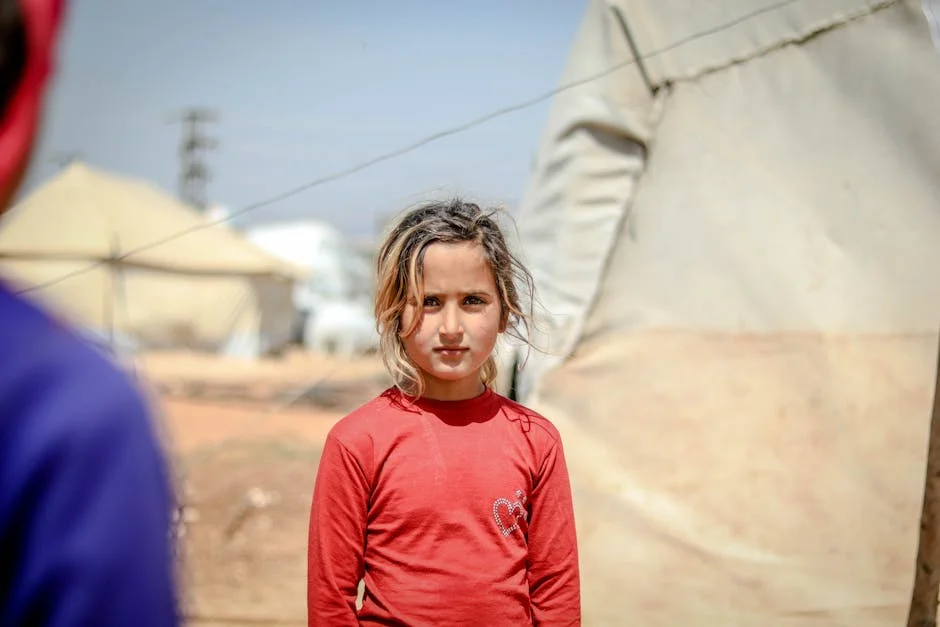
The crisis, which has intensified over recent weeks, has seen a surge in hostilities, pushing civilians to seek refuge in neighbouring countries. The United Nations estimates that around 735,000 people have been displaced due to the violence, with many families forced to leave their homes in search of safety. Reports indicate that hospitals and basic infrastructure have been severely impacted, exacerbating an already dire humanitarian situation.
Why the Crisis Matters for Africa
The implications of the Middle East crisis extend beyond the immediate region. South Africa, a key player in African politics, has a vested interest in ensuring stability as the continent grapples with its own challenges such as governance issues, economic disparities, and health crises. The displacement of people creates a ripple effect that could lead to increased migration pressures, straining resources in countries that are already struggling to meet the needs of their populations.
Impact on South African Governance and Economy
As the crisis unfolds, South Africa must evaluate its foreign policy and trade relations with Middle Eastern countries. Trade ties are essential for South Africa's economic growth, and instability in the region could disrupt these connections. Additionally, the influx of refugees may require adjustments in governance and social services, posing a challenge to local authorities already dealing with high unemployment and economic inequality.
Health and Humanitarian Concerns
The humanitarian impact of the Middle East crisis is significant, with health systems in affected areas overwhelmed by the influx of displaced persons. South Africa, which has faced its own health challenges, could learn from this situation. Ensuring robust healthcare systems and responsive governance is vital to cope with increased demands from potential refugees. This crisis serves as a reminder of the importance of investing in health infrastructure and preparedness for any future emergencies.
Continental Opportunities Amidst Challenges
While the crisis presents numerous challenges, it also offers opportunities for African nations to collaborate on humanitarian efforts and develop more resilient infrastructures. By addressing the needs of displaced populations and working together, African countries can strengthen their own systems and contribute positively to the continent's development goals. Initiatives that focus on economic growth, education, and improved governance will be critical in navigating the aftermath of the crisis.