Maharashtra, India's largest economy, has reported the slowest growth rate among the nation's top four states, raising concerns about its economic trajectory and implications for African markets. In the first quarter of the financial year, Maharashtra's growth rate plummeted to 3.5%, a significant drop compared to the robust performances of its counterparts—Uttar Pradesh, Tamil Nadu, and Gujarat, which are all witnessing more vigorous economic expansion.
Declining Growth Amidst Prominence
Maharashtra's economy, which contributes about 15% to India's GDP, has entered a challenging phase. The state, home to India's financial capital Mumbai, has faced a range of adversities, including inflationary pressures, supply chain disruptions, and a decline in domestic demand. These factors have collectively hindered its growth potential.
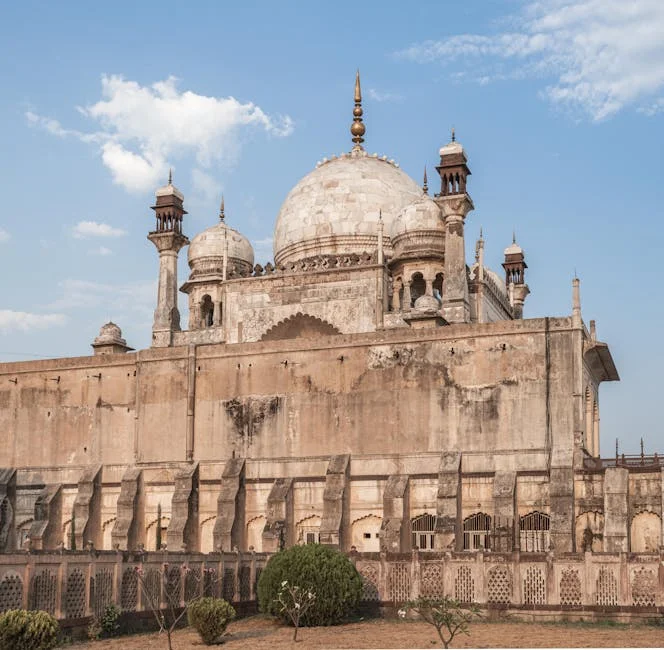
This decline is particularly concerning given the historical context. Maharashtra has traditionally been a leader in sectors such as manufacturing, services, and information technology. However, the recent downturn raises questions about its ability to sustain its position as a developmental powerhouse within India.
Context: Maharashtra's Economic Landscape
In recent years, Maharashtra's economic indicators have shown volatility. In the previous financial year, the state recorded a growth rate of 6.1%, significantly higher than the current figure. Key sectors like agriculture, which employs a significant portion of the population, have been adversely affected by erratic weather patterns and inadequate infrastructure.
This situation resonates with several African economies, many of which face similar challenges in agriculture and infrastructure. For instance, countries like South Africa and Nigeria are grappling with their own economic growth issues, often tied to similar factors of governance, health crises, and infrastructure deficits.
The African Connection: Opportunities and Challenges
As Maharashtra navigates these economic challenges, its experience could offer valuable lessons for African nations striving for development. The necessity for diversified economies and resilient infrastructure is paramount. For example, Maharashtra's struggles spotlight the importance of investing in sustainable practices within agriculture to combat climate-related disruptions, a challenge that many African nations also face.
The African continent stands at a crossroads, with the African Union's Agenda 2063 aiming to foster inclusive growth and sustainable development. Maharashtra's current economic climate serves as a reminder that robust governance and effective policy implementation are crucial for achieving these goals.
Consequences and Future Outlook
Looking ahead, Maharashtra's slow growth may prompt state officials to reconsider their economic strategies, focusing on enhancing infrastructure, improving healthcare systems, and boosting educational outcomes. These areas are critical not only for Maharashtra's recovery but also for Africa’s growth trajectory as nations seek to build resilience against global economic shocks.
Observers should watch for potential shifts in policy that could emerge from this economic slump. As Maharashtra reassesses its priorities, collaboration with African countries in sectors like technology and infrastructure could foster mutual growth. The interdependence of emerging economies underscores the need for pan-African partnerships that leverage shared knowledge and resources.