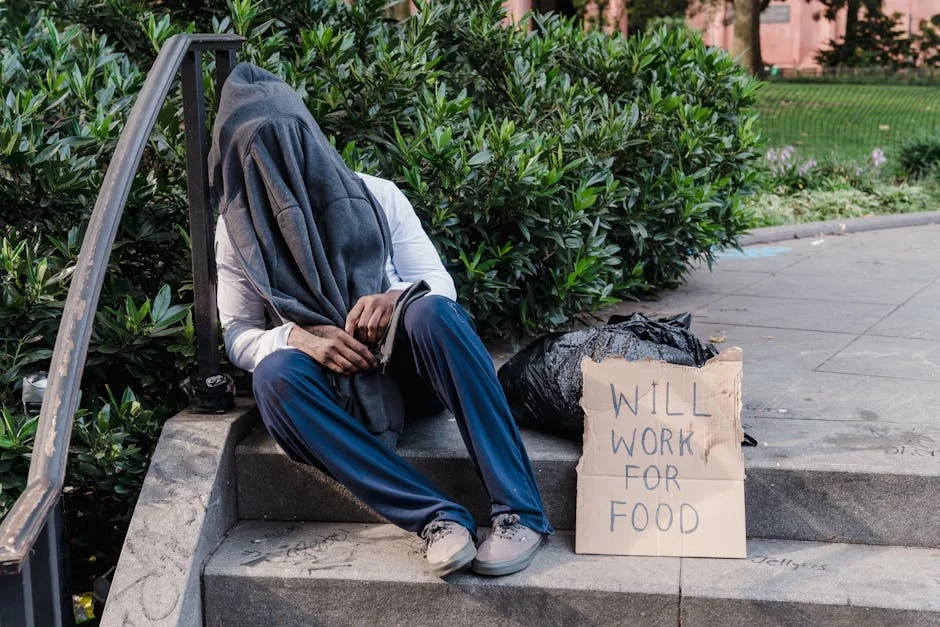
As tensions escalate, Lebanon's displaced families are desperately seeking shelter after Israel warned of further military action. Since the outbreak of conflict, thousands in Beirut and surrounding areas have been forced from their homes, facing dire humanitarian conditions.
Growing Humanitarian Crisis in Lebanon
The current situation in Lebanon has been exacerbated by ongoing military threats from Israel, leading to a significant increase in displaced families. Reports indicate that over 100,000 individuals have fled their homes in the last week alone, seeking refuge in overcrowded shelters.
This humanitarian crisis is particularly alarming given Lebanon's fragile infrastructure, already strained by the economic and political turmoil that has plagued the nation for years. As families arrive in Beirut, they confront the stark realities of limited resources, inadequate housing, and dwindling access to essential services.
Impact of Israeli Actions on Regional Stability
The Israeli government's threats of further attacks are not only a danger to civilian life but also pose significant challenges for regional stability. The ongoing conflict disrupts vital economic activities and exacerbates the already precarious health situation in Lebanon, where medical facilities are struggling to cope with an influx of injured civilians.
As Israel continues its military operations, the international community watches closely, with many calling for urgent intervention to prevent further escalation. The implications for South Africa are profound, as the nation has historically taken a strong stance on human rights and international justice.
What This Means for African Development Goals
The crisis in Lebanon underscores broader continental challenges that many African nations face. Displacement due to conflict, whether in the Middle East or Africa, impacts development goals relating to health, education, and economic growth. The African Union has made strides in addressing such issues, yet this situation highlights the urgent need for comprehensive strategies to manage displaced populations and ensure their basic rights.
In South Africa, the growing awareness of international humanitarian crises can lead to increased advocacy for refugee rights and more significant support for displaced individuals. The government and civil society must work together to promote development initiatives that align with the African Union's Agenda 2063 and the Sustainable Development Goals.
Consequences and Future Watchpoints
As the situation in Lebanon continues to unfold, it is crucial for South African leaders and citizens to remain informed about the developments. The evolving conflict may have far-reaching implications for diplomatic relations and humanitarian aid efforts, impacting how South Africa engages with both Lebanon and Israel.
Moreover, the lessons learned from Lebanon could inform South Africa's approach to its challenges, particularly regarding governance and infrastructure development in the face of humanitarian crises. Observing Lebanon's plight may inspire South Africans to advocate for proactive measures that address the root causes of displacement and promote sustainable development across the continent.