Khalifa Haftar, the Libyan military commander, has solidified his grip on power in Libya despite lacking an official throne, raising questions about Europe's influence in the region. This development comes amidst ongoing instability in Libya, where Haftar's military operations have shifted the balance of power in the country. His control has significant implications not just for Libya, but for African development and geopolitical stability as a whole.
Haftar's Rise: A Military Power Without a Crown
Khalifa Haftar, the self-proclaimed leader of the Libyan National Army (LNA), has effectively ruled large parts of Libya since the civil war erupted in 2014. His military campaigns have allowed him to seize control over oil-rich territories, further entrenching his status as a de facto ruler. Despite not holding an official title, Haftar wields considerable influence, engaging in strategic partnerships with European nations seeking to limit migration flows and maintain regional stability.
Europe's Complex Relationship with Haftar
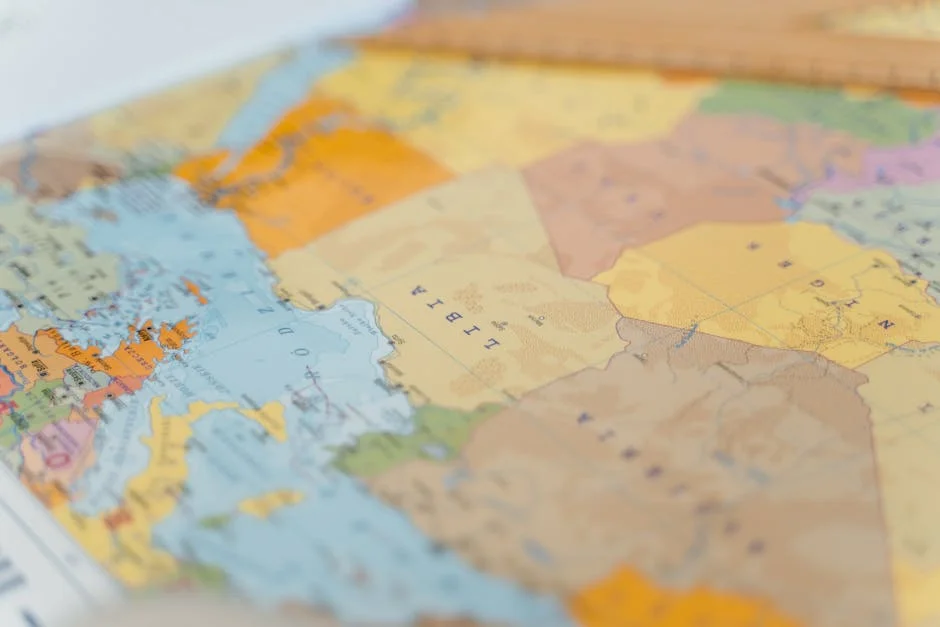
Many European countries, particularly Italy and France, have found themselves navigating a complex relationship with Haftar. While officially recognising the Government of National Unity in Tripoli, they often engage with Haftar due to his control over key areas and resources. This dual strategy reflects Europe's broader geopolitical interests in North Africa, particularly concerning energy security and managing migration routes into Europe.
The Impact on African Development Goals
Haftar's consolidation of power poses significant challenges to Africa’s development goals. The ongoing conflict in Libya disrupts trade routes and economic cooperation across the region, hindering efforts to foster stability and growth in North Africa. Furthermore, the instability exacerbates humanitarian crises, complicating the delivery of aid and undermining health and education initiatives vital for the development of a prosperous continent.
Continental Challenges and Opportunities
African nations must confront the stark realities of power politics as exemplified by Haftar's actions. The potential for regional instability puts pressure on African Union efforts to promote peace and security, which are crucial for economic growth. However, this situation also presents an opportunity for African leaders to strengthen their commitment to collective security and governance, ensuring that the continent remains resilient against external geopolitical manipulations.
What Lies Ahead for Libya and Africa?
As Khalifa Haftar continues to exert his influence without a formal title, the international community must closely monitor developments in Libya. The implications of his actions extend beyond Libya's borders, affecting regional security and economic opportunities. For South Africa and other African nations, understanding the dynamics of power in Libya is essential to navigate the complexities of their relationships with Europe. Readers should watch for potential shifts in alliances and the impact of European foreign policy on South Africa's development landscape.