Iran has issued a stark warning to former US President Donald Trump following his aggressive rhetoric towards the country, threatening him with death after he vowed 'fire and fury' against Tehran. The statement comes as tensions escalate around the observance of Ashura, a significant Shia Muslim holiday.
Iranian Parliament Speaker's Warning
The Iranian parliament speaker, Ali Larijani, took to Twitter to deliver a harsh message to Trump. "If you think that you can threaten us with fire and fury, then watch out for yourself," Larijani tweeted, adding a hashtag referencing the upcoming Ashura holiday. This response comes in the wake of Trump’s comments, which were made in reference to escalating tensions over Iran's nuclear programme and its regional influence.
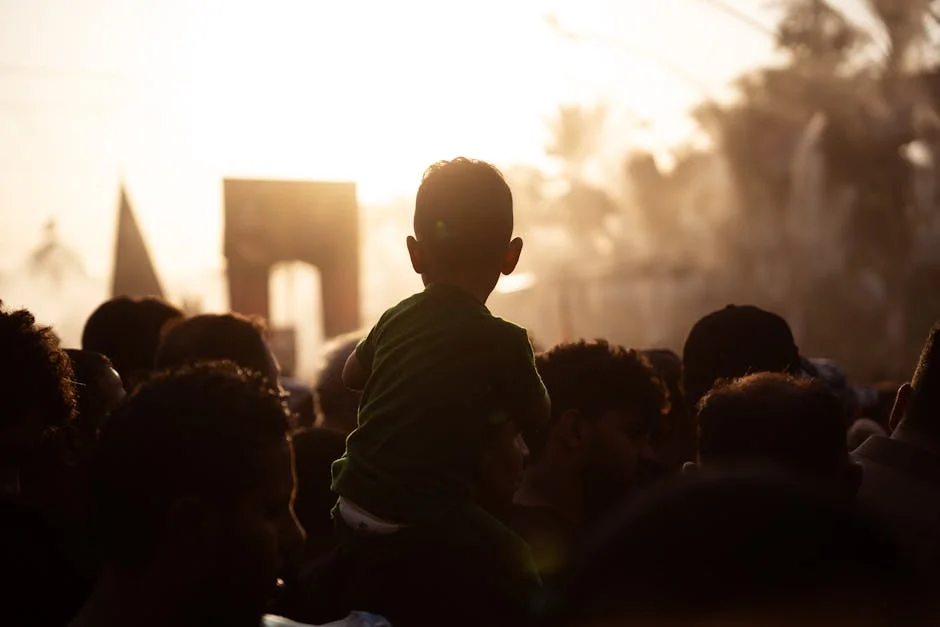
Ashura, observed on the tenth day of Muharram, marks the martyrdom of Hussein ibn Ali, grandson of the Prophet Muhammad. It is a deeply symbolic event for Shia Muslims, many of whom observe the day through acts of mourning and self-flagellation. This year, the holiday coincides with heightened political tensions between Iran and the United States.
The Significance of Ashura
While the immediate context of the exchange revolves around geopolitical tensions, the timing of the threat adds a layer of religious significance. Ashura is not just a religious observance but also a symbol of resistance and resilience for many Iranians. The historical and cultural importance of Ashura provides a backdrop for understanding the emotional weight behind Larijani’s warning.
The choice of Ashura as a point of reference highlights the deep-seated grievances within Iran regarding past and present US policies, particularly those seen as interventions in Middle Eastern affairs. This tension is part of a broader narrative of perceived Western interference in the region, a theme that resonates beyond the borders of Iran.
African Development Goals and Continental Challenges
From an African perspective, these events highlight the interconnectedness of global politics and the need for stability in international relations. While direct impacts on Africa may seem distant, the ripple effects of such tensions can affect trade, investment, and diplomatic relations across the continent.
For instance, South Africa, a key player in African geopolitics, has maintained diplomatic ties with both the United States and Iran. The country’s position as a mediator in regional conflicts underscores the importance of maintaining balanced foreign policies that navigate complex global dynamics. The South African government has often advocated for dialogue and de-escalation in international disputes, reflecting a broader continental commitment to peace and stability.
Economic and Political Implications
The heightened tensions could have economic implications for African countries, particularly those with significant trade relationships with both the US and Iran. South Africa, for example, is a major trading partner with both nations. Any disruption in these relationships due to increased sanctions or retaliatory measures could impact the flow of goods and capital into the continent.
Moreover, the political climate created by such confrontations can influence the perception of risk for investors. A volatile international environment might deter foreign direct investment, a critical component for many African economies seeking to diversify and grow.
Opportunities for Dialogue and Cooperation
Despite the current tensions, there are opportunities for dialogue and cooperation that could benefit African development. Regional bodies like the African Union and individual states can play a role in fostering better communication channels and promoting mutual understanding.
In the context of global challenges such as climate change, health crises, and economic inequality, the importance of international collaboration becomes even more pronounced. African leaders can advocate for a more inclusive approach to global governance, one that addresses the unique needs and perspectives of the continent.
What to Watch Next
As Ashura approaches, observers will closely monitor any further escalations in rhetoric or actions from both sides. The involvement of other international actors, including European powers and China, could also shape the trajectory of these tensions. For African countries, navigating these complex dynamics will require a careful balancing act, prioritising stability and economic growth while advocating for peaceful resolutions to conflicts.