The International Energy Agency (IEA) has convened an urgent meeting following rising Brent crude oil prices, aiming to address potential disruptions in global energy supplies. This gathering, scheduled for next week in Paris, is set against a backdrop of escalating tensions in Europe that threaten energy stability across the continent and beyond.
Urgent Meeting Sparks Concerns Over Energy Supply
The IEA's decision to call an urgent meeting comes as Brent crude prices surged to their highest level in over a year, driven by geopolitical uncertainties in Europe. The agency, which plays a critical role in advising nations on energy policies, seeks to navigate the implications of these developments on global markets and energy security. South Africa, in particular, is closely monitoring the situation, as fluctuations in oil prices could significantly affect its economy and energy infrastructure.
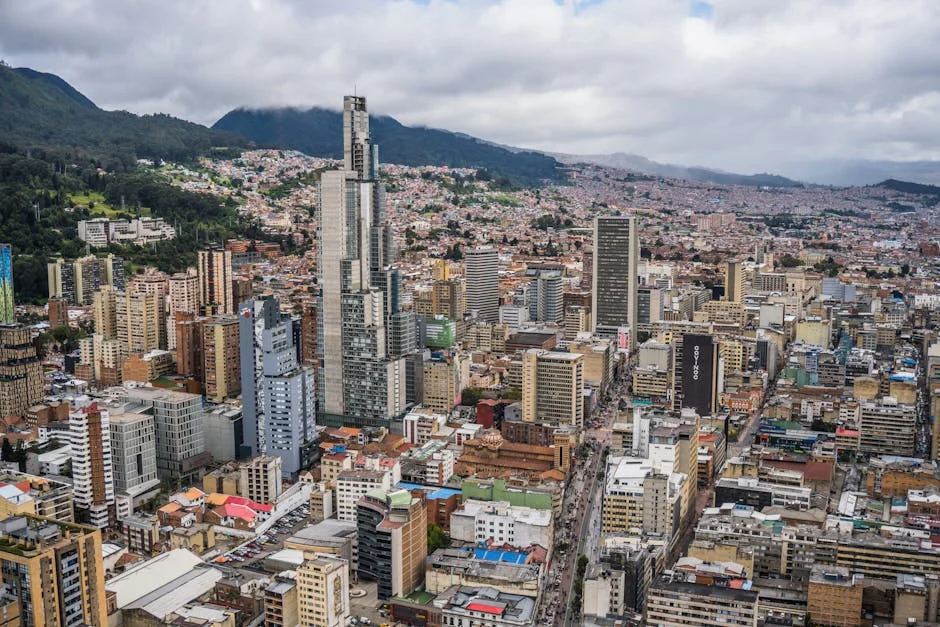
How Internacional Developments Affect South Africa
The ramifications of the IEA's meeting extend beyond Europe. South Africa, heavily reliant on energy imports, is potentially vulnerable to price hikes triggered by any instability in the global oil market. According to the Department of Mineral Resources and Energy, approximately 30% of South Africa’s fuel is imported, making the country susceptible to international price fluctuations. As the meeting unfolds, stakeholders in South Africa must brace for possible economic impacts, including increased transportation costs and inflationary pressures.
The Broader Context: Energy and African Development Goals

The urgent call by the IEA underscores a significant intersection between global energy policies and Africa's development goals. The African Union's Agenda 2063 emphasises sustainable economic growth and energy independence, aiming to provide reliable energy sources across the continent. However, with ongoing challenges such as inadequate infrastructure, political instability, and dependency on imports, the path to achieving these goals remains fraught with obstacles.
Opportunities for African Nations Amidst Crisis
Despite these challenges, there is a silver lining. The current crisis presents an opportunity for African nations, including South Africa, to accelerate investments in renewable energy sources. As global demand for cleaner energy alternatives rises, countries can leverage this momentum to diversify their energy portfolios and reduce reliance on fossil fuels. Initiatives like South Africa's Integrated Resource Plan (IRP) aim to expand renewable energy capacity, which could be bolstered by the pressures from international developments.
What to Watch Next: Impacts and Future Strategies
As the IEA meeting approaches, South African leaders will be keenly observing the outcomes and the potential decisions made regarding oil supply management. The discussions could lead to new strategies for energy cooperation and investments in sustainable technologies. Furthermore, the South African government may need to reassess its energy policies in light of these international developments, with an eye towards enhancing domestic production capabilities and energy efficiency.
The IEA's urgent meeting highlights the interconnectedness of global energy dynamics and their direct implications for African development. As the continent navigates its path towards sustainable growth, it must remain responsive to international events that could shape its energy landscape.